- The 1991 act set borders from Dame Street to the Quays.
- CIE purchased properties in the 1960s and 1970s.
- Project Arts Centre opened in 1975.
- Temple Bar Gallery started operations in 1983.
- The area employs 10,000 people.
The 35th anniversary of Temple Bar operations as a cultural district in Dublin erve as a reminder just how accidentally it arrived.
Legislation passed in 1991 provided tax breaks and established Temple Bar Properties to oversee the area. Charles J Haughey intervened to halt demolition plans by CIE, who planned to build a bus station on the site.
The hub was in`dvertently created by the plan. Because the buildings were to be demolished, only short term leases were granted to business, so small artisans shops, restauarants and music venues began to appear in the zone. By 1991 it was already beginning to show the trademark buzz that became its hallmark.
The zone shifted from dereliction after CIE let properties at low rents in the 1960s and 1970s. This led to the opening of alternative shops and restaurants. The area now records annual footfall of 24 million people and generates around €700 million in trade each year.
24 arts organisations base operations in the district including the Irish Film Institute, Temple Bar Gallery, Smock Alley Theatre and The Ark. Mary Harkin has run Rory’s Fishing Tackle Shop since 1959. Paddy Dunning has managed music venues in the area for 40 years.
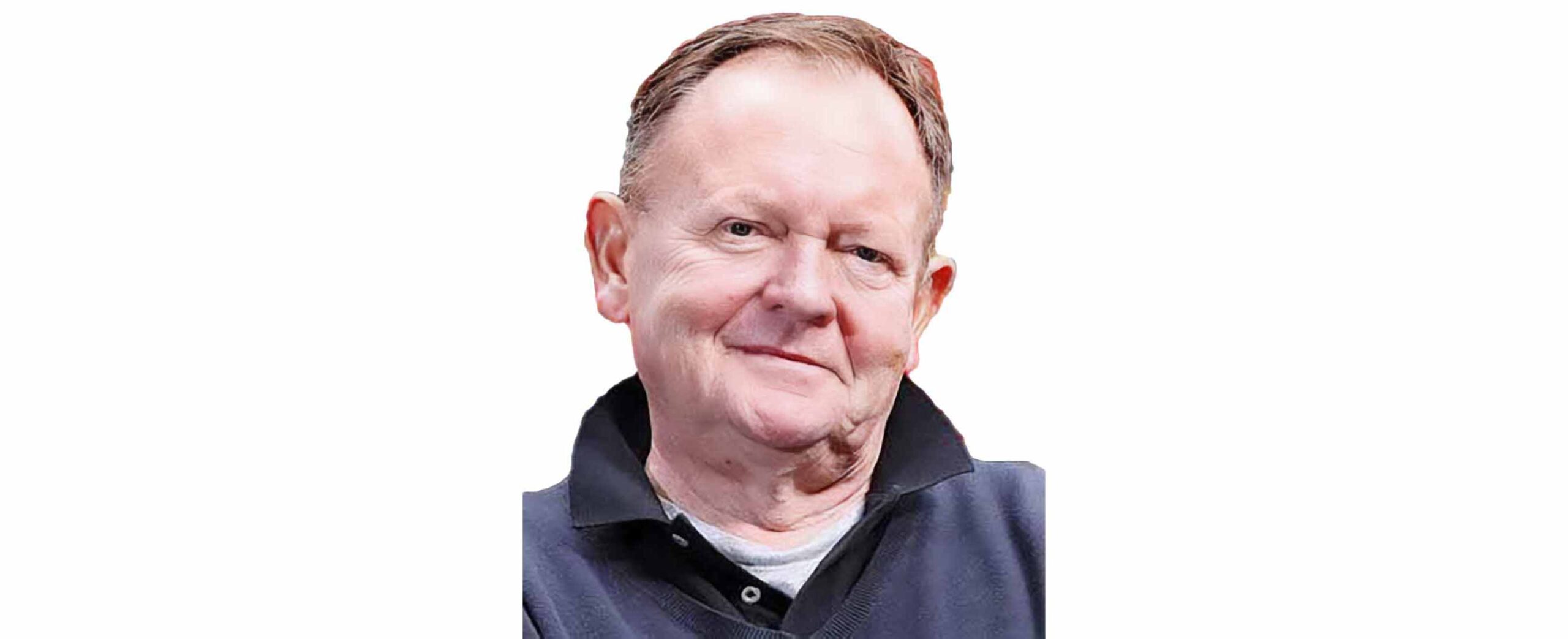
Martin Harte shared “CIE had planned a bus station for the area and bought up a lot of properties during the 1960s and 1970s. The fact that all the galleries are free, that’s just bringing more people into the area.”