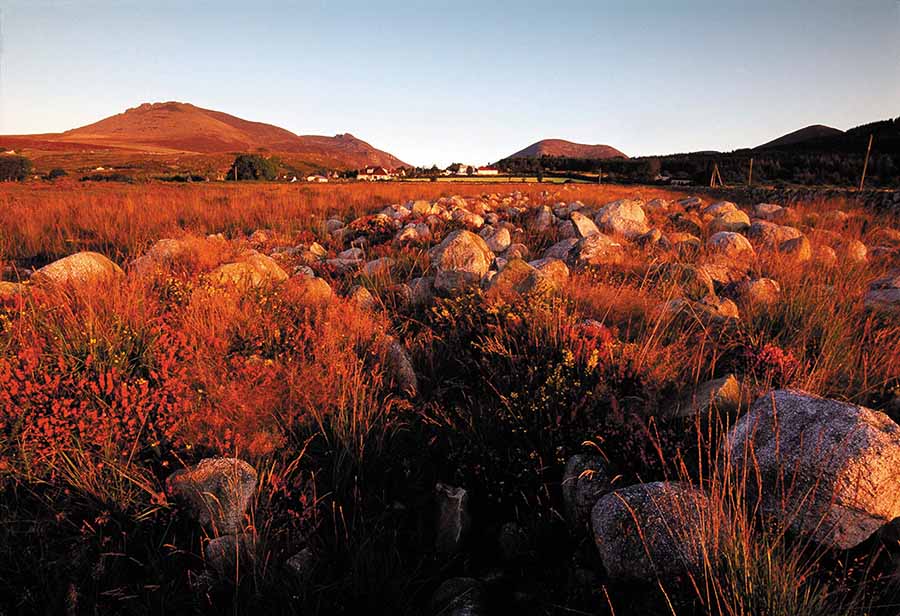
County Down, Ireland’s second most north-east country, offers a delightful mix of coastal beauty, historic sites, and natural landscapes for travellers seeking a memorable getaway. With its rolling hills, sandy beaches, and welcoming towns, this county provides a rich array of experiences. From the majestic Mourne Mountains to ancient ruins and serene gardens, Down invites visitors to discover its treasures at a leisurely pace.
The Mourne Mountains, a granite range sweeping down to the sea, are a paradise for walkers and nature enthusiasts. Trails like those leading to Slieve Donard, the highest peak at 850 metres, offer breathtaking views across Carlingford Lough. Visitors can explore with guided hikes or independently, enjoying the area’s rugged terrain, heather-covered slopes, and the iconic Mourne Wall, a 35km dry-stone structure.
Downpatrick, the county’s historic heart, is home to sites tied to St Patrick, Ireland’s patron saint. The Saint Patrick Centre offers engaging exhibits on his life, with interactive displays and a short film bringing history to life. Visitors can explore the nearby Down Cathedral, where a stone marks St Patrick’s reputed burial site, and enjoy peaceful walks along the River Quoile, blending heritage with scenic beauty.
Tollymore Forest Park, near Newcastle, spans 630 hectares of woodlands, rivers, and follies. Its trails wind through ancient trees, past stone bridges, and along the Shimna River, where visitors can spot red squirrels and enjoy picnic spots. The park’s Gothic arches and grottos add a whimsical touch, making it a family-friendly destination for a day of exploration.
Castle Ward, an 18th-century mansion near Strangford, blends classical and Gothic architecture, offering a unique visitor experience. Managed by the National Trust, the estate features guided tours of its elegant interiors, while its 332-hectare grounds include woodland trails, a sunken garden, and views of Strangford Lough. Visitors can cycle, walk, or try archery, with a tearoom providing a relaxing stop.
Strangford Lough, Ireland’s largest sea lough, is a haven for wildlife and water activities. Visitors can take boat trips to spot seals and seabirds, explore coastal paths, or visit the Exploris Aquarium in Portaferry to see native marine life. The lough’s quiet shores and nearby villages like Killyleagh offer serene walks and local pubs for a warm meal.
Murlough National Nature Reserve, near Dundrum, boasts a 6,000-year-old dune system and sandy beaches. Managed by the National Trust, its boardwalks and trails lead through wildflower-rich dunes, with views of the Mournes. Visitors can enjoy birdwatching, beachcombing, or guided nature walks, making it a peaceful retreat for those seeking natural beauty.
Rowallane Garden, near Saintfield, is a 21-hectare estate with a mix of formal lawns and wild woodlands. Visitors can wander through seasonal flowerbeds, explore a rock garden, and admire exotic trees, with paths leading to a walled garden perfect for quiet reflection. The garden’s café serves homemade treats, adding to the relaxed experience.
Bangor, a coastal town, offers a blend of seaside leisure and historic sites. Its marina and North Pier are ideal for strolls, with views across Belfast Lough. The North Down Museum, housed in Bangor’s old town hall, showcases local history with artefacts and interactive displays. Visitors can relax in Ward Park, where lakes and sculptures create a tranquil setting.
Hillsborough Castle, a Georgian mansion, serves as a royal residence and is open for guided tours. Visitors can explore its state rooms, filled with art and antiques, and wander the 40-hectare gardens, featuring a walled garden and ornamental lake. The estate’s peaceful trails and tearoom make it a delightful stop for history and garden lovers.
Newry Cathedral, a Gothic Revival masterpiece, features intricate mosaics and soaring arches. Visitors can admire its ornate interior, including a carved marble altar, and enjoy the calm atmosphere. The nearby Newry Canal Way offers a scenic walking and cycling route along Ireland’s oldest canal, with views of the Mournes and opportunities to spot wildlife.
County Down’s blend of natural wonders, historic landmarks, and cultural attractions creates a rewarding destination. Whether hiking in the Mournes, exploring ancient sites, or relaxing by the lough, travellers will find plenty to enjoy.
County Down:
Ireland’s county Down offers a mix of historic sites and scenic landscapes, with Downpatrick’s Saint Patrick Centre and cathedral providing insights into Ireland’s patron saint. The Mourne Mountains offer hiking trails with sweeping views, while Strangford Lough provides kayaking and wildlife spotting. Other attractions include the historic Tollymore Forest Park. Down is Ireland’s 12th largest county by size (2,447 square km) and fourth largest by population (553,261). Population peaked at 361,446 in 1841 and reached its lowest point, 204,303, in 1911. In terms of hospitality, Down is Ireland’s 18th most visited tourist county with around 127,000 international visitors per year.
Introduction – Adventure – Anthem – Archaeology – Attractions – Awards – Birdwatching – Camping – Castles – Churches – Contact list – Cycling – Dining – Equestrian – Festivals – Fishing – Folklore – Gardens – Golf – Graveyards – Happening – Haunted – Highest – Hiking – History – Holy Wells – Hotels – Hotels8 – Instagrammable – Itineraries – Largest town – Luxury – MICE – Movies – Musicians – New – Name – Novelists – Off the beaten track – Poets – Pubs – Quotes – Random Facts – Restaurant Awards – Sacred Places – Saints – Spas – Sports – Sunsets– Sustainable – Things to do – Towns – Video – Villages – Walking – Wanderlist – Weddings – Wild swimming – Writers – 1837 – 1846 – 1852 – 1909 – 1955 – 1980 –
Things to do
Antrim – Armagh – Carlow – Cavan – Clare – Cork – Derry – Donegal – Down – Dublin – Fermanagh – Galway – Kerry – Kildare – Kilkenny – Laois – Leitrim – Limerick – Longford – Louth – Mayo – Meath – Monaghan – Offaly – Roscommon – Sligo – Tipperary – Tyrone – Waterford – Westmeath – Wexford – Wicklow