- River Barrow (Graiguenamanagh): The River Barrow, Ireland’s second-longest river, flows through the picturesque town of Graiguenamanagh, offering idyllic swimming spots along its banks and towpaths. This area is a favorite for local swimmers, walkers, and kayakers, highlighted in guides like The Art of Wild Swimming: Ireland. A storybook setting with glassy waters, lush hills, and forests, complemented by charming lock houses and the historic Duiske Abbey in Graiguenamanagh. The 8km towpath to St. Mullins adds a scenic walk to the swim. Calm, clear waters with grassy banks, ideal for leisurely swims. A diving board along the Barrow Line South offers fun for confident swimmers. Water is cold (10–15°C), with moderate currents in deeper sections. Parking and toilets near Clashganny Lock (halfway to Borris). Lifeguards are present in summer at some points, but not consistently. Graiguenamanagh has cafés like The Barrow Brew for post-swim refreshments. Water quality is rated poor to moderate (EPA, 2013–2018), so check recent updates and avoid swimming after heavy rain due to runoff. Swim with a companion, use a tow float, and check for weeds or currents.
- The Weir Pool (Thomastown): Created by the Thomastown Community River Trust, the Weir Pool is a safe, designated stretch of the River Nore in Thomastown, designed specifically for swimming and popular with locals for its accessibility and calm waters. A tranquil riverside with grassy banks and views of Thomastown’s historic bridge and mill, offering a peaceful, community-focused setting. Shallow, calm waters (10–15°C) suit swimmers of all levels, with a smooth riverbed for easy entry. The pool’s design minimizes currents, making it beginner-friendly. Parking nearby, but no lifeguards or dedicated changing rooms. Thomastown offers amenities like The Blackberry Café for post-swim coffee or snacks. Water quality is not specifically tested for swimming (EPA rates Nore as moderate). Swim with a companion, avoid post-rain swims due to runoff, and use a tow float for visibility.
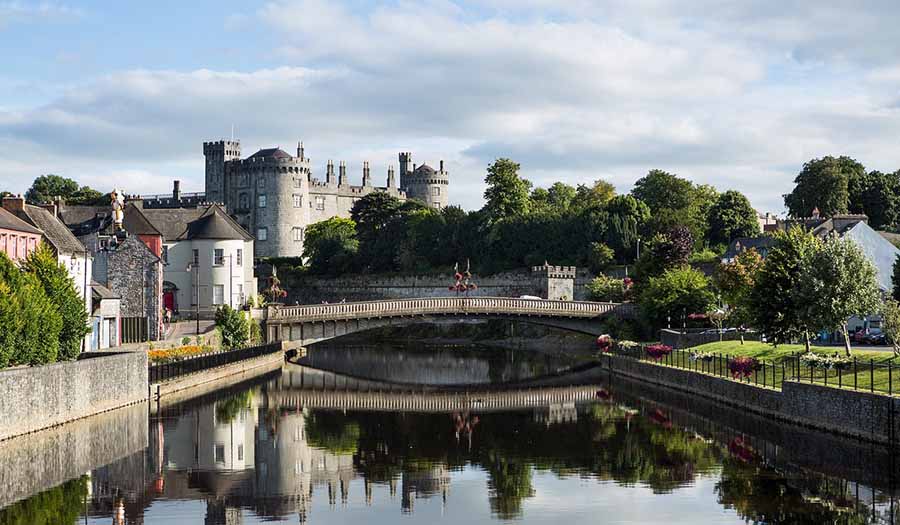
- River Nore (Bleach Weir, Kilkenny City): The Bleach Weir, located in Kilkenny City, is a serene swimming spot on the River Nore, noted for its peaceful setting and accessibility, as featured in The Art of Wild Swimming: Ireland. A calm, tree-lined stretch with views of Kilkenny’s countryside and wildlife, such as herons or otters, offering a reflective, idyllic escape near the city. Gentle flow and shallow areas (10–15°C) are suitable for most swimmers, with deeper spots for the more experienced. Entry is via grassy banks or steps. Parking and a gear storage area near the weir, but no lifeguards. Kilkenny City’s amenities, like The Marble City Tearooms, are a short walk away. Water quality is moderate (EPA, 2024), not specifically tested for swimming. Check for currents or debris, swim with a companion, and avoid post-rain conditions.
- River Nore (Inistioge): The River Nore at Inistioge, a charming village south of Kilkenny City, offers a lifeguarded swimming spot in summer, popular for its calm waters and scenic surroundings. A postcard-perfect village setting with wooded banks, a historic 10-arch bridge, and views of rolling hills, creating a serene backdrop for swimming. Shallow, clear waters (10–15°C) with a gentle flow, ideal for families and beginners. Deeper sections suit stronger swimmers. A lifeguard is present in summer. Parking in Inistioge village, with toilets and cafés like The Riverbank Café nearby. No dedicated changing rooms. Water quality is moderate (EPA, 2024), not bathing-specific. Use a tow float, swim within lifeguarded areas in summer, and avoid strong currents after rain.
- Kilkenny’s wild swimming spots are not designated bathing areas, so water quality isn’t monitored for swimming. Never swim alone, check for currents (especially in the Barrow and Nore), and avoid swimming after heavy rain due to runoff risks. Cold water (10–15°C) poses hypothermia risks, so wear wetsuits, swim shoes (for rocky riverbeds), and bring warm post-swim clothing. Follow Water Safety Ireland guidelines.
As a landlocked county, Kilkenny’s wild swimming is limited to rivers, with the Barrow and Nore being the most prominent. No major lakes or coastal spots exist, and the county’s swimming culture is less developed than coastal areas like Dublin or lakelands like Fermanagh. Bring a tow float for visibility, especially in deeper river sections with potential boat traffic.
Nearby towns like Graiguenamanagh, Thomastown, and Kilkenny City offer amenities for post-swim comfort. Kilkenny’s wild swimming community is small but growing, with spots like the Weir Pool supported by local trusts. Check wildswim.ie or local X groups for group swims or safety tips. The Athy Triathlon Club (nearby Kildare) occasionally organizes events that include Kilkenny’s rivers. Follow Leave No Trace principles to protect Kilkenny’s rivers and wildlife, such as otters and kingfishers. Avoid littering and disturbing natural habitats.
County Kilkenny:
Ireland’s county Kilkenny is a county of medieval charm, with Kilkenny City’s castle and St Canice’s Cathedral showcasing well-preserved architecture and round towers. The Dunmore Cave offers intriguing limestone formations, while the Nore Valley’s walking trails provide scenic beauty. Other attractions include the historic Jerpoint Abbey’s intricate carvings. Kilkenny is Ireland’s 16th largest county by size (2,062 square km) and 21st largest by population (104,160). Population peaked at 202,420 in 1841 and reached its lowest point, 60,463 in 1966. In terms of hospitality, Kilkenny is Ireland’s eleventh most visited tourist county with around 207,000 international visitors per year.
Introduction – Adventure – Anthem – Archaeology – Attractions – Awards – Birdwatching – Camping – Castles – Churches – Contact list – Cycling – Dining – Equestrian – Festivals – Fishing – Folklore – Gardens – Golf – Graveyards – Happening – Haunted – Highest – Hiking – History – Holy Wells – Hotels – Hotels8 – Instagrammable – Itineraries – Largest town – Luxury – MICE – Movies – Musicians – Name – New – Novelists – Off the beaten track – Poets – Pubs – Quotes – Random Facts – Restaurant Awards – Sacred Places – Saints – Spas – Sports – Sunsets– Sustainable – Things to do – Towns – Video – Villages – Walking – Wanderlist – Weddings – Wild swimming – Writers – 1837 – 1846 – 1852 – 1909 – 1955 – 1980 –
Wild swimming
Antrim – Armagh – Carlow – Cavan – Clare – Cork – Derry – Donegal – Down – Dublin – Fermanagh – Galway – Kerry – Kildare – Kilkenny – Laois – Leitrim – Limerick – Longford – Louth – Mayo – Meath – Monaghan – Offaly – Roscommon – Sligo – Tipperary – Tyrone – Waterford – Westmeath – Wexford – Wicklow