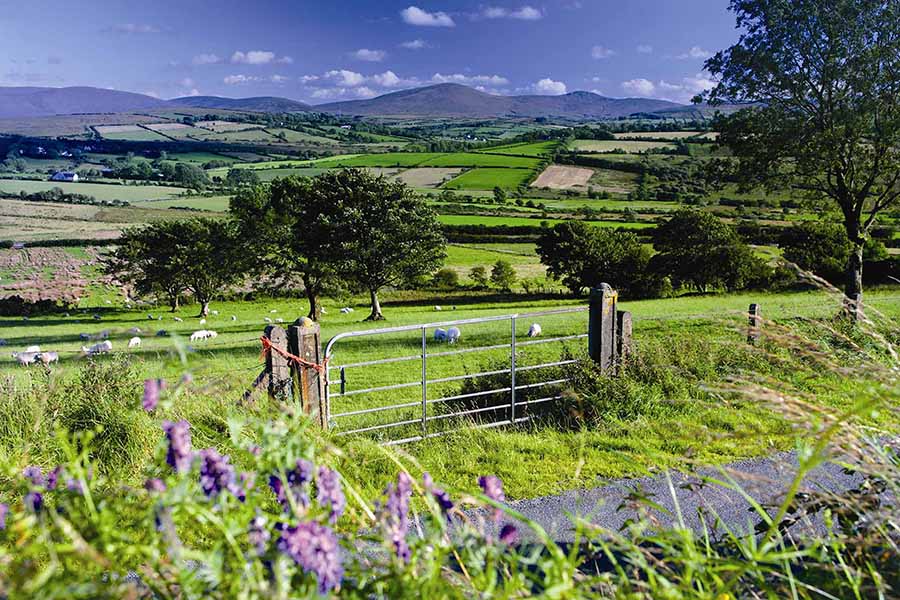
- Loughmacrory Lake (Loughmacrory): A freshwater lake near the village of Loughmacrory, southwest of Omagh, Loughmacrory Lake is a hidden gem in Tyrone’s countryside, noted for its unspoiled environment and use by local swimmers. It’s a small, tranquil lake surrounded by flora and fauna, ideal for those seeking a quiet dip. A serene, rural setting with grassy shores, boglands, and views of Tyrone’s rolling hills, offering a peaceful escape amidst nature. Cold, clear waters (10–15°C) with a gradual depth increase, suitable for cautious swimmers near the shore. Deeper areas suit confident swimmers. Entry is via grassy banks or small jetties, but swim shoes are recommended for pebbly or muddy lakebeds. Limited amenities; parking near the lake, but no lifeguards, toilets, or changing rooms. The nearby village of Loughmacrory has a small shop or pub like The Loughmacrory Inn for post-swim refreshments. Water quality is not tested for swimming (EPA/DAERA, 2024). Swim with a companion, use a tow float for visibility, and check for algae or weeds, especially after rain. Avoid boat traffic from anglers.
- River Blackwater (Benburb): The River Blackwater, flowing along Tyrone’s southern border with Armagh, offers a wild swimming spot near Benburb, where calmer stretches and grassy banks provide access. It’s less known but used by locals for its scenic, rural charm. A gentle river with tree-lined banks, views of Benburb Castle, and surrounding farmland, creating a historic and tranquil atmosphere. Gentle currents in shallow areas (10–15°C) suit beginners, with deeper pools for experienced swimmers. Entry is via grassy banks, but swim shoes are needed for rocky or muddy riverbeds. Short swims are ideal due to variable currents. No lifeguards or dedicated amenities. Parking is available in Benburb village, with The Valley Hotel nearby for post-swim meals or drinks. Water quality is moderate (EPA, 2024), not tested for bathing. Avoid swimming after heavy rain due to runoff risks. Swim with a companion, use a tow float, and check for currents or debris.
- Tyrone’s wild swimming spots are not designated bathing areas, so water quality isn’t monitored for swimming. Check DAERA/EPA updates (www.beaches.ie) (www.beaches.ie) and avoid swimming after heavy rain due to runoff. Never swim alone, check for currents (especially in the Blackwater), and be aware of cold-water risks (hypothermia). Wetsuits, swim shoes, and warm post-swim clothing are essential. Follow Water Safety Ireland guidelines.
Tyrone’s inland geography restricts wild swimming to small lakes and rivers. Loughmacrory is the most noted, while the River Blackwater is a secondary option. Other lakes like Lough Neagh (bordering Tyrone) are better accessed in Armagh or Antrim, and rivers like the Strule are not prominent for swimming due to currents or access issues. Tyrone’s swimming culture is less developed than Fermanagh’s Lough Erne or coastal Antrim. Bring a tow float for visibility, particularly in the Blackwater’s deeper sections.
Towns like Loughmacrory, Benburb, or Omagh offer basic amenities for post-swim comfort. Check wildswim.ie or local X groups for community tips or group swims. Tyrone’s wild swimming community is small, with no major events like Fermanagh’s Muckross Lake Swim. Local triathlon or outdoor groups may organise occasional dips. Nearby Fermanagh or Donegal offer more established swimming spots for variety. Tyrone’s waterways are ecologically sensitive. Follow Leave No Trace principles to protect wildlife (e.g., birds, fish) and avoid littering.
County Tyrone:
Ireland’s county Tyrone is a county of rolling landscapes and historic sites, with the Ulster American Folk Park in Omagh offering a fascinating look at emigration history through recreated villages. The Sperrin Mountains provide hiking trails with panoramic views, while the Beaghmore Stone Circles add ancient intrigue. Other attractions include the historic town of Dungannon and its castle ruins. Tyrone is Ireland’s seventh largest county by size (3,263 square km) and 11th largest by population (188,383). Population peaked at 312,956 in 1841 and reached its lowest point, 127,586 in 1936. In terms of hospitality, Tyrone is Ireland’s 24th most visited tourist county with around 68,000 international visitors per year.
Introduction – Adventure – Anthem – Archaeology – Attractions – Awards – Birdwatching – Camping – Castles – Churches – Contact list – Cycling – Dining – Equestrian – Festivals – Fishing – Folklore – Gardens – Golf – Graveyards – Happening – Haunted – Highest – Hiking – History – Holy Wells – Hotels – Hotels8 – Instagrammable – Itineraries – Largest town – Luxury – MICE – Movies – Musicians – Name – New – Novelists – Off the beaten track – Poets – Pubs – Quotes – Random Facts – Restaurant Awards – Sacred Places – Saints – Spas – Sports – Sunsets– Sustainable – Things to do – Towns – Video – Villages – Walking – Wanderlist – Weddings – Wild swimming – Writers – 1837 – 1846– 1852 – 1909 – 1955 – 1980 –
Wild swimming
Antrim – Armagh – Carlow – Cavan – Clare – Cork – Derry – Donegal – Down – Dublin – Fermanagh – Galway – Kerry – Kildare – Kilkenny – Laois – Leitrim – Limerick – Longford – Louth – Mayo – Meath – Monaghan – Offaly – Roscommon – Sligo – Tipperary – Tyrone – Waterford – Westmeath – Wexford – Wicklow