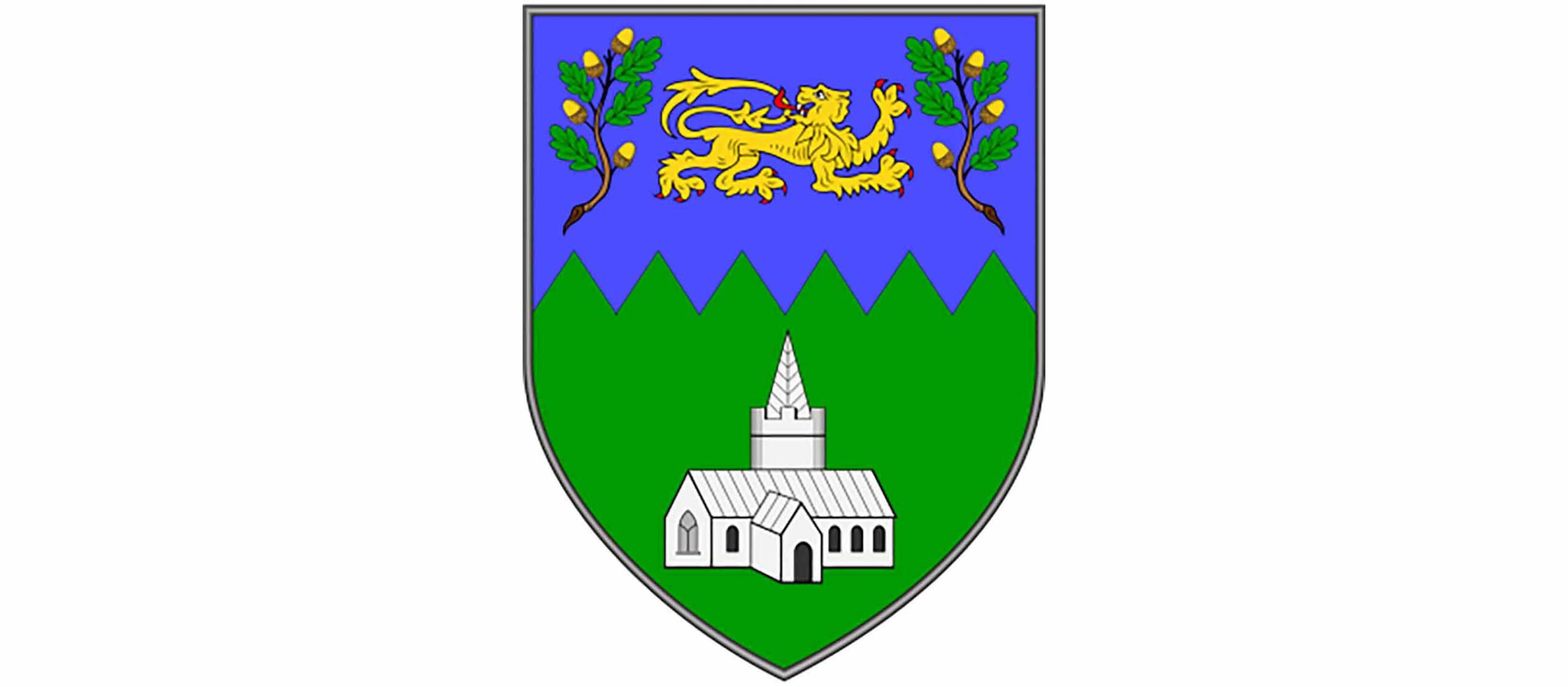
County Wicklow, often called the Garden of Ireland, offers a delightful blend of natural beauty, historic sites, and cultural attractions for travellers seeking a rewarding escape. With its lush mountains, serene lakes, and welcoming towns, this county provides a rich array of experiences. From ancient monasteries to scenic trails and elegant estates, Wicklow invites visitors to discover its heritage at their own pace.
Glendalough, a 6th-century monastic site in a glacial valley, is a highlight of Wicklow’s history. Visitors can explore its round tower, stone churches, and Celtic crosses, with guided tours sharing tales of St Kevin’s legacy. The surrounding trails, leading to Upper and Lower Lakes, offer peaceful walks through woodlands, appealing to history buffs and nature lovers.
Powerscourt Estate, near Enniskerry, is a 18th-century mansion with 47 acres of formal gardens. Visitors can wander through Italianate terraces, a Japanese garden, and a walled garden, enjoying views of the Sugarloaf Mountain. The estate’s tearoom and nearby Powerscourt Waterfall, Ireland’s highest at 121 metres, provide a serene setting for a relaxing day out.
The Wicklow Way, a 131km walking trail, winds through the county’s mountains and valleys. Visitors can explore shorter sections, like the trail from Glendalough to Glenmalure, passing heather-clad hills and waterfalls. The route’s clear paths and scenic viewpoints make it ideal for hikers seeking a tranquil outdoor adventure.
Bray, a coastal town, offers a lively seaside experience with a Victorian promenade. Visitors can walk the Bray Head Cliff Walk for sea views, explore the National Sea Life Centre to see native marine species, or relax on the pebble beach. The town’s cafés and pubs create a welcoming base for coastal exploration.
Russborough House, near Blessington, is a Palladian mansion with elegant interiors open for guided tours. Visitors can admire its ornate plasterwork, art collections, and 200-acre parkland, featuring a walled garden and maze. The estate’s tearoom and lakeside trails offer a peaceful blend of history and natural beauty.
Avondale House, near Rathdrum, is the birthplace of Charles Stewart Parnell, set in a 500-acre forest park. Visitors can tour the Georgian house, exploring exhibits on Parnell’s life, and wander trails through ancient woodlands along the Avonmore River. The park’s picnic areas and treetop walk make it a family-friendly destination.
Lough Tay, often called the Guinness Lake, sits in a dramatic valley between the Wicklow Mountains. Visitors can access viewing points via the Luggala Estate trails, enjoying the lake’s dark waters and white sandy shore. The surrounding hills and quiet paths create a serene spot for photographers and walkers.
Blessington Lakes, formed by the Poulaphouca Reservoir, offer opportunities for boating, fishing, and scenic drives. Visitors can explore lakeside trails, rent kayaks, or visit the nearby Blessington Greenway for cycling and walking. The area’s wildlife and tranquil waters make it a relaxing retreat for outdoor enthusiasts.
Wicklow Gaol, in Wicklow town, is a 18th-century prison turned museum. Visitors can tour its stone cells and gatehouse, with exhibits detailing its history as a penal site, including tales of transported convicts. The gaol’s atmospheric setting and nearby coastal walks create an engaging experience for history enthusiasts.
Trooperstown Wood, near Roundwood, offers tranquil forest trails along the Vartry River. Visitors can walk or cycle paths through native oaks, spotting deer and birds, with picnic spots by the river. The wood’s peaceful beauty and proximity to the Vartry Reservoir make it an inviting stop for nature lovers.
County Wicklow’s mix of historic sites, scenic landscapes, and cultural hubs creates a rewarding destination. Whether exploring ancient monasteries, hiking mountain trails, or wandering elegant gardens, travellers will find plenty to enjoy in this inviting corner of Ireland.
County Wicklow:
Ireland’s county Wicklow is known as the Garden of Ireland for its lush landscapes, with Glendalough’s monastic ruins and round tower set amidst serene lakes and valleys. The Wicklow Mountains National Park offers hiking trails with stunning views, while Powerscourt Estate’s manicured gardens and waterfall add natural elegance. Other attractions include the coastal paths of Bray. Wicklow is Ireland’s 17th largest county by size (,025 sq km) and 16th largest by population (155,851). Population peaked at 126,143 in 1841 and reached its lowest point, 57,591 in 1926. In terms of hospitality, Wicklow is Ireland’s twelfth most visited tourist county with around 204,000 international visitors per year.
Introduction – Adventure – Anthem – Archaeology – Attractions – Awards – Birdwatching – Camping – Castles – Churches – Contact list – Cycling – Dining – Equestrian – Festivals – Fishing – Folklore – Gardens – Golf – Graveyards – Happening – Haunted – Highest – Hiking – History – Holy Wells – Hotels – Hotels8 – Instagrammable – Itineraries – Largest town – Luxury – MICE – Movies – Musicians – Name – New – Novelists – Off the beaten track – Poets – Pubs – Quotes – Random Facts – Restaurant Awards – Sacred Places – Saints – Spas – Sports – Sunsets– Sustainable – Things to do – Towns – Video – Villages – Walking – Wanderlist – Weddings – Wild swimming – Writers – 1837 – 1846– 1852 – 1909 – 1955 – 1980 –
Things to do
Antrim – Armagh – Carlow – Cavan – Clare – Cork – Derry – Donegal – Down – Dublin – Fermanagh – Galway – Kerry – Kildare – Kilkenny – Laois – Leitrim – Limerick – Longford – Louth – Mayo – Meath – Monaghan – Offaly – Roscommon – Sligo – Tipperary – Tyrone – Waterford – Westmeath – Wexford – Wicklow