The final hours of the United Nations’ annual climate conference, COP29 in Azerbaijan, were marked by significant drama, having been largely gridlocked during the initial two weeks..
At one point, delegates representing developing countries and small island states staged a walkout. Eventually, an agreement was reached wherein wealthy nations committed to providing $300bn annually in climate financing to poorer countries by 2035. India’s negotiator criticized this sum as “paltry.”
The contentious agreement overshadowed other important discussions. After years of negotiations, preliminary rules for an international carbon market were approved. Nevertheless, representatives debated fiercely over a landmark commitment made at last year’s COP to “transition away” from fossil fuels—the first time the primary cause of global warming was acknowledged in a UN text. Due to strong opposition, particularly from major producers such as Saudi Arabia, this promise was not reaffirmed.
The evaluation of progress in reducing greenhouse gas emissions was postponed until next year’s conference in Brazil.
Here are the key aviation takeaways from Baku:
- Raising Global Ambition on Tackling Contrails: Persistent contrails—clouds formed by aviation—are believed to have a warming impact comparable to aviation’s CO₂ emissions, yet public awareness and political action surrounding this issue remain minimal. This year, we collaborated with Breakthrough Energy to host a cross-sectoral panel addressing contrails at COP. Surprisingly, only about 25pc of attendees were aware of the climate impact of contrails. However, by the conclusion of the session, there was a strong consensus that addressing contrails presents “low-hanging fruit” in the realm of climate strategies. The session even made headlines in BBC News! Our call to action: agreement to launch the first Airspace-Scale Living Labs by COP30.
- Tackling Biomass Limits Together: Developing Sustainable Aviation Fuels (SAFs) from waste biomass is a vital tool for enhancing aviation’s carbon footprint. However, the limitations of the world’s waste biomass resources necessitate a comprehensive understanding of how best to utilize them while navigating changes in land use, dietary patterns, and biotechnology. This implies that aviation policies must evolve from a narrow aviation-focused approach to a more integrated cross-sector strategy. Over the past year, the Aviation Impact Accelerator has played a crucial role in shaping UK policy—supporting SAF mandates via the Department for Transport and assisting the Department for Energy Security and Net Zero in evaluating global biomass limits. Discussions at COP are crucial for understanding global biomass pressures and fostering international collaboration to ensure that biomass usage—whether for aviation or other sectors—is genuinely sustainable.
- Scaling Up Green Hydrogen and Energy for Net-Zero Aviation: Achieving net-zero aviation necessitates an unprecedented scale-up in both green hydrogen and renewable energy production, whether through synthetic kerosene or hydrogen-powered aircraft. COP29 provided a unique opportunity for engagement with global leaders to explore avenues for accelerating this scale-up.
- Five Years to Chart a New Future for Aviatio: Aviation Impact Accelerator event, overviewing the latest report on aviation decarbonization
- Not Just Carbon: Why the World Needs Climate Action on Contrails: A session led by the Aviation Impact Accelerator and Breakthrough Energy, focusing on contrail avoidance as a critical goal for achieving net-zero CO₂ emissions by 2050
- Finance, Investment, and Trade Events discussions at the World Bank Pavilion and China Pavilion regarding launching carbon market solutions and trends in global carbon markets will take place on November 14, featuring key speakers from IATA.
- Biomass Summit: discussing public policies promoting the transition to renewable energy and ensuring the sustainability of liquid biofuels is set for November 14, 16:00 – 16:45 at the World Bank Pavilion.
- Destination Net Zero: focusing on global carbon tax policies for aviation and shipping, addressing decarbonization and climate finance initiatives for vulnerable countries; scheduled for November 14, 17:00 – 18:30.
- Managing Competing Sectoral Demands for Renewable Energy Resources: to address the increasing demands for renewable energy resources in transportation, scheduled for November 16, extending discussions on energy system planning and international cooperation.
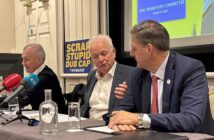
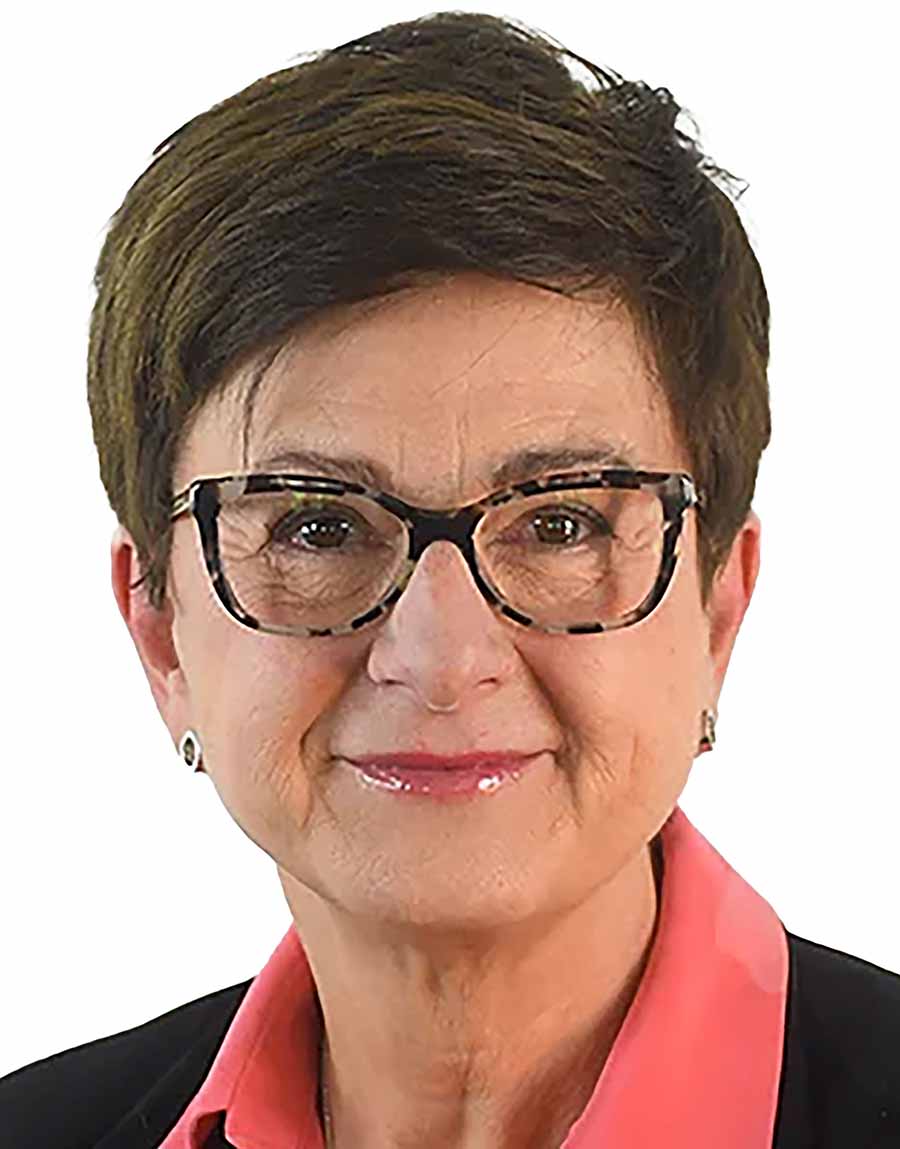
IATA speakers at aviation-related events during Cop 29 included Marie Owens Thomsen, Senior Vice President for Sustainability & Chief Economist, and Andrew Matters, Director of Policy.