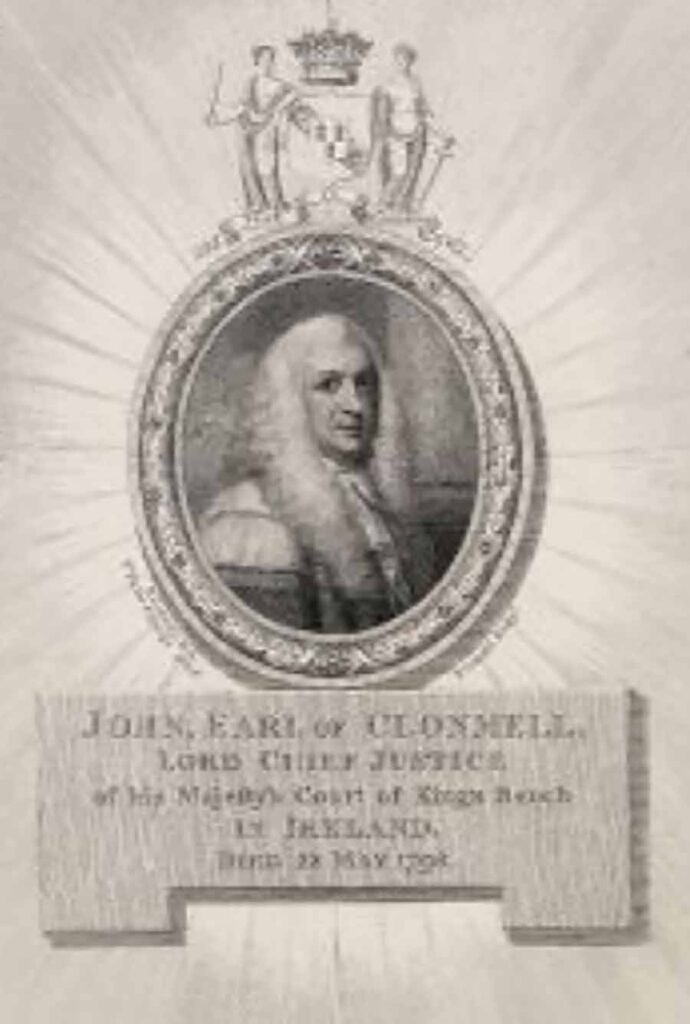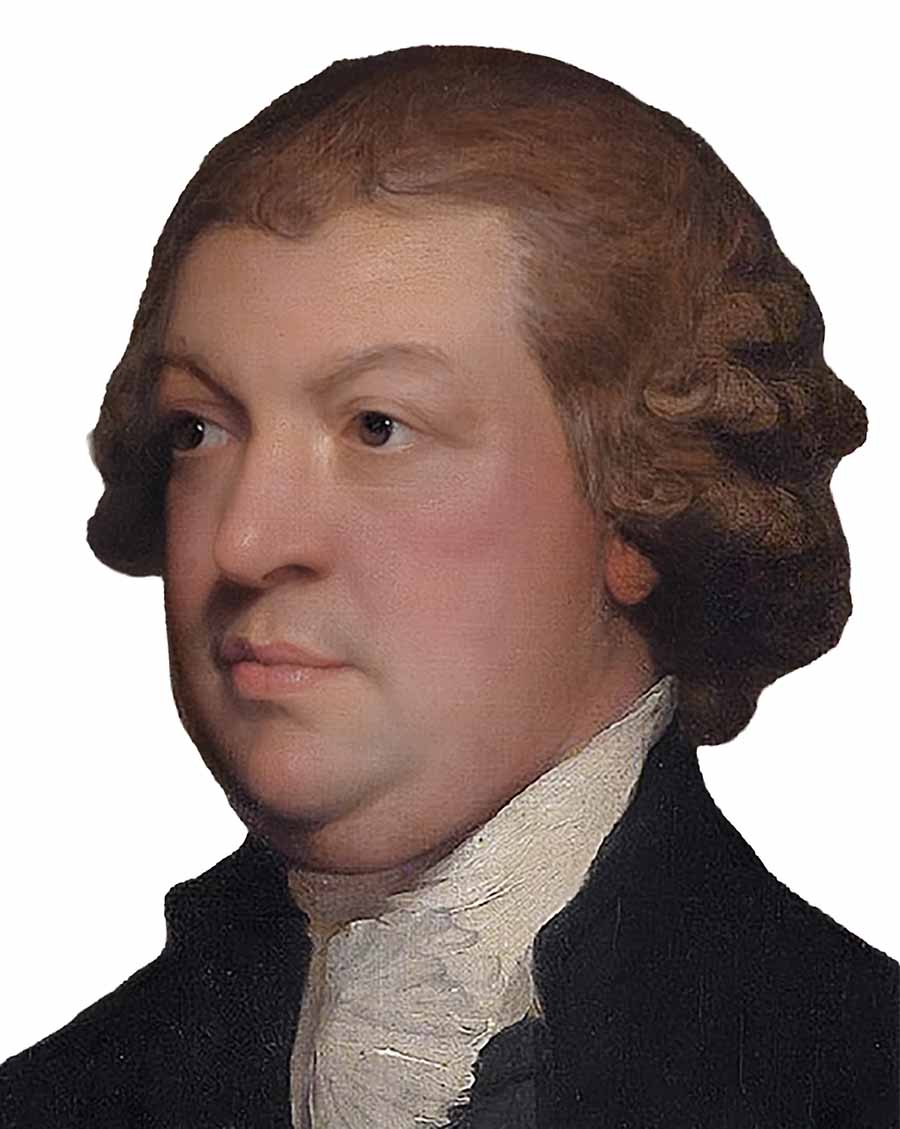
The story of Copper Faced Jack himself is worthy of a long session over over-priced cocktaiols at the storied night club. It was the nickname of John Scott, the 1st Earl of Clonmell, that gave rise to the name of the well-known Dublin nightclub on Harcourt Street.
John Scott was born on 8 June 1739 in Mohober, County Tipperary, the third son of Thomas Scott, a Church of Ireland vicar of Urlings, County Kilkenny. He rose rapidly in the legal profession after being called to the Irish bar in 1765. His diligence and aptitude for business brought him success, though his aggressive manner in argument and his ruddy, bronzed complexion earned him the sobriquet Copperfaced Jack, later shortened in popular usage to Copper Faced Jack.
Scott advanced through political and judicial ranks with determination. He served as Solicitor General for Ireland and entered parliament, where he pursued promotion aggressively. In one instance, upon accepting a post, he remarked to the viceroy that the appointment had spoiled a fine patriot. He became Attorney General and later, in 1784, Lord Chief Justice of the King’s Bench for Ireland, a position he held until his death in 1798. In 1793 he received the title Earl of Clonmell.
Accounts from the period describe Scott as ambitious and ruthless in his pursuit of advancement. Tales circulated that he eliminated rivals in the legal world through duels, though similar stories attach to other Irish figures of the era. His fortune grew substantially. He is said to have offered to hold land in trust for Catholics barred from owning property under the Penal Laws, only to retain it upon transfer, effectively depriving them of their holdings. He eloped with the widowed daughter of a wealthy landowner, which added to his wealth and brought him ownership of 21,000 acres across seven counties. He added an L to the Clonmel in his titles, leading to the phrase: “give Jack an inch and he’ll take an L.”
In his judicial role, despite an incomplete understanding of the law (or perhaps he was just too lazy to read them) Scott addressed social issues of the time. Abduction of heiresses for forced marriage was a persistent problem. Juries often returned sympathetic not guilty verdicts despite the death penalty for the offence. In March 1779, as a temporary judge, Scott pressed a Kilkenny jury to convict two youths who had abducted a woman, leading to their execution. This action reduced the practice’s appeal.
Scott’s career included rivalries, notably with John Fitzgibbon, later Earl of Clare, who secured the Chancellorship that Scott coveted. Even after ascending to the bench, allegations persisted that he continued questionable practices in property dealings, though most lawyers ceased such activities upon judicial appointment. One claim suggests he faced a potential lawsuit in his own court from a victim at the time of his death.
In personal life, Scott displayed a modicum of self-awareness in his diaries, viewing his actions with detachment and making repeated resolutions to study law more diligently and moderate his eating and drinking. Despite these intentions, he became extremely obese, to the point that his carriage springs broke under his weight and footmen had to carry him upstairs.
He died on 23 May 1798, at the age of fifty-nine, on the eve of the 1798 rising. Dublin wags noted that he timed his departure to suit his convenience, as he had always done. He was buried in St Peter’s Church on Aungier Street. The church was later replaced in the 1860s, and after declining use, the Victorian replacement was demolished in the 20th century. Remains from the churchyard, including Scott’s, were moved to Mount Jerome Cemetery, where the exact location of his bones is unknown.
Scott was the first notable figure to build on Harcourt Street, constructing a grand house there. The building, later divided, served as the original home of Sir Hugh Lane’s Municipal Gallery.
It was in his former home that the nightclub Copper Face Jacks opened in 1996 within the Jackson Court Hotel on Harcourt Street, adopted the name in reference to this historical figure, linking 18th-century notoriety to modern Dublin nightlife.