- Castlelake valuation reaches approximately €6.1 billion.
- Deadline for formal offer is 3 August 2026.
- easyJet operates over 350 Airbus aircraft.
- Holidays division reported strong growth.
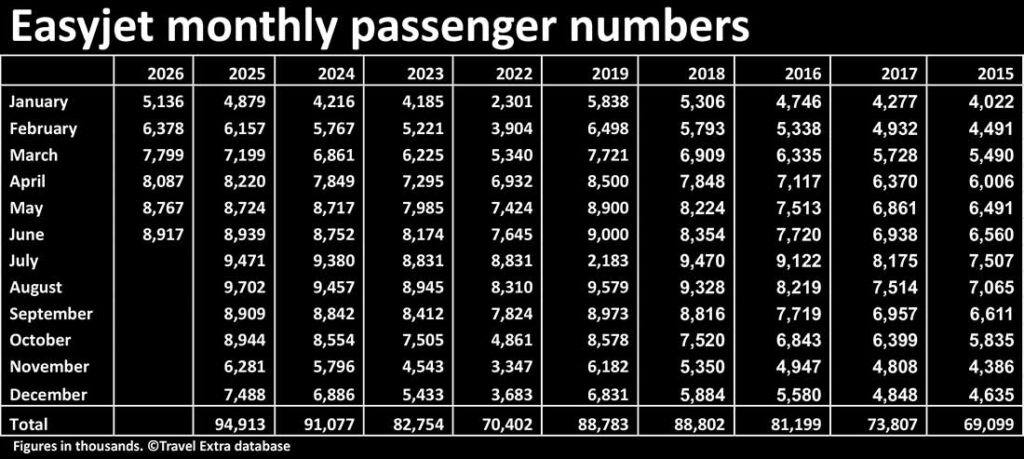
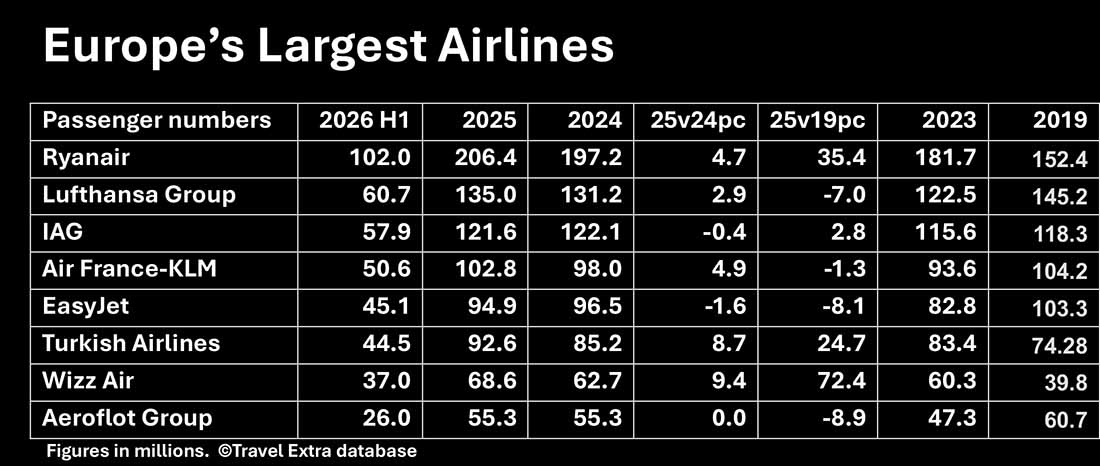
The takeover of Europe’s sixth largest airline having been agreed ‘in principle’ by the board, the potential new owners of Easyjet have a dizzying list of options should the Irish-led takeover succeed.
One looming option is to split up the airline, and this must be tempitng, bearing in mind the separate value of slots, holidays division and aircraft in any potential split.
Castlelake, the US investment firm, has confirmed its interest in taking Easyjet private through a deal that values the carrier at several billion euro. Reports confirm the latest proposal sits at €6.5 billion or thereabouts after adjustments from initial approaches.
The move comes at a time when the airline operates a large fleet of Airbus aircraft and controls prime landing rights at congested European airports. The prospect of a breakup arises because the sum of the parts appears to exceed the current enterprise value by a clear margin according to analyst assessments.
Slots
The slots held by Easyjet represent infrastructure assets that cannot easily be replicated in the current regulatory environment. Positions at London Gatwick, where the carrier maintains a dominant presence, along with key access at Paris Orly, Geneva, Amsterdam Schiphol, Berlin Brandenburg and Milan Malpensa deliver operational advantages that competitors covet.
These slots generate reliable revenue streams through efficient scheduling and high load factors on popular routes. In any separation the new owners could realise substantial returns by allocating them to different entities or selling portions to network carriers seeking to expand their footprints in constrained hubs.
There is an Irish dimension: EasyJet operates 45 direct routes from Belfast International Airport to destinations across England, Scotland, Europe, and the Middle East and accounts for approximately 61pc of all commercial flights in the region and 17pc of the air capacity on and off the island.
Tour operator
The holidays division has grown into a profitable segment that complements the core airline business. Easyjet Holidays has confirmed steady increases in passenger numbers and revenue, with attachment rates to flights rising in recent reporting periods.
This unit packages flights with accommodation and experiences, appealing to leisure travellers who prefer one stop shopping for their trips. Its performance stands apart from the more cyclical airline operations, offering a buffer during periods of fuel price volatility or economic slowdown. Separation would allow specialised management to focus on tour operations, potentially attracting buyers from the travel agency or hospitality sectors who value the established brand and customer base.
Aircraft
Aircraft assets form another pillar of value. Easyjet owns a majority of its fleet outright, with hundreds of Airbus A320 family aircraft in service and additional units on order.
The net book value of these planes runs into billions of euro, providing collateral strength that leasing specialists such as Castlelake understand well.
In a split scenario the new owners could retain or redistribute the aircraft to maximise returns through sale and leaseback arrangements or direct disposal to other operators. This approach aligns with the investment firm’s background in aviation leasing and asset management, where individual plane values can be unlocked without the overhead of running a full scheduled service. European ownership rules add complexity to the overall transaction.
Ownership
As an English cheadquartered arrier with operations across the European Union, including an Austrian AOC to combat post Brexit regulations, Easyjet must maintain majority EU control to preserve its operating licences.
Castlelake has revealed structures that involve EU nationals in the bidding vehicle to address these requirements, including former industry executives with relevant experience. Any breakup would need to navigate these regulations carefully to avoid disruptions to flight schedules or loss of traffic rights.
The process could involve carving out the airline operations into an entity that satisfies the criteria while placing slots and holidays under different ownership umbrellas. Market reactions to the potential deal have shown movement in the share price, reflecting both optimism about a premium offer and caution over execution risks.
Founder
The founder, Stelios Haji Ioannou, and his family hold a substantial stake that influences proceedings, alongside other institutional investors. Their positions require consideration in any final agreement to secure necessary approvals.
The board has engaged with the bidder after initial rejections, signalling a willingness to explore options that deliver value to shareholders. Capacity constraints at major airports amplify the worth of the slot portfolio.
With growth limited by runway and terminal availability in places such as London and Amsterdam, the ability to operate frequent services delivers a competitive edge.
New owners could explore partnerships or trades that optimise these assets, perhaps transferring some to carriers focused on long haul routes while Easyjet retains short haul dominance. This reallocation might improve overall efficiency in the European network but could alter service patterns for passengers accustomed to the current model.
Integration
The holidays business benefits from integration with the airline yet operates with distinct economics. Customers who book packages enjoy convenience and often better pricing than assembling components separately. Independent operation might accelerate expansion into new destinations or product lines, free from the capital demands of fleet renewal.
Profit margins in this segment have shown resilience, confirming its potential as a standalone venture. Investors in the travel sector might pay a higher multiple for this unit than the market currently assigns to the combined airline group.
Fleet management
Fleet management in a breakup gains flexibility. Owned aircraft can be refinanced or sold in a buoyant second hand market for modern narrowbodies. Lease arrangements for the remainder provide steady income streams for the lessor entity.
Maintenance and crew operations could transfer with the airline division, ensuring continuity while allowing the asset company to focus on portfolio optimisation.
Such separation mirrors strategies employed in other industries where tangible assets command premiums when isolated from operational risks.
Regulation
Competition authorities in England and EU will scrutinise the transaction for effects on consumer choice and market concentration. A split could lead to assets moving to different hands, potentially increasing options for travellers if new operators enter routes. Conversely, consolidation of slots under stronger network players might reduce low cost capacity on certain links.
Regulators must balance these outcomes against the financial stability that private ownership could bring after periods of public market volatility. Fuel costs and economic conditions continue to influence the airline sector, making asset values more attractive for buyers who can manage risks effectively.
Easyjet has maintained a modern fleet that delivers strong fuel efficiency, a factor that supports residual values in any disposal. The holidays division benefits from diversification away from pure ticket sales, with revenue from ancillaries and partners adding stability. Together these elements create a compelling case for the new owners to pursue a structured separation over time.
Operational integration has served Easyjet well during its growth phase, allowing quick scaling of routes and seamless customer experiences. However, the pressures of public listing, including quarterly reporting and shareholder expectations, can constrain bold moves.
Going private
Private ownership under Castlelake might permit longer term planning, with a breakup accelerating value creation through focused leadership for each component. Employees across the group would see changes in reporting lines and priorities, requiring careful management to maintain morale and service standards.
Airport authorities at key bases monitor developments closely, as shifts in ownership could affect slot utilisation and investment plans. Gatwick, in particular, relies on Easyjet for a large portion of its traffic, so any reconfiguration must preserve connectivity for the region. Similar considerations apply at continental hubs where the carrier supports tourism and business links. The new owners will need to engage with these stakeholders to facilitate smooth transitions. Broader industry trends favour specialisation, with pure play leasing firms, tour operators and scheduled airlines each optimising their models.
Easyjet sits at the intersection of these, which has driven success but also invites analysis of whether greater value lies in separation. Castlelake’s expertise in aircraft assets positions it to extract efficiencies that a traditional airline management team might overlook. The holidays unit could thrive with dedicated marketing and product development unburdened by flight operations. Currency fluctuations and interest rates affect the economics of any deal, with euro exposures relevant for a pan European carrier.
Conversion of values to euro highlights the scale involved, with fleet assets alone representing a major portion of the total. Slot portfolios, though harder to quantify precisely, contribute intangible worth through scarcity and regulatory protection. These factors support the view that a patient breakup process could deliver superior returns compared with operating the business as a single entity.
The passengers
Passengers might experience minimal immediate disruption if the core airline continues under new stewardship while other divisions prepare for independence. Booking systems, loyalty programmes and brand identity require coordination during transition to avoid confusion.
Over the medium term, specialised ownership could lead to innovations in each area, such as enhanced holiday packages or more efficient aircraft utilisation. The competitive landscape in European aviation remains dynamic, with low cost carriers challenging legacy operators on price and frequency.
The founder’s ongoing involvement through his stake adds another dimension. His vision shaped the airline from its inception, emphasising simplicity and value. Any split must respect this heritage while adapting to new realities under private equity leadership. Negotiations continue towards a formal offer deadline, with all parties aware of the need for regulatory clearances and shareholder support. Industry observers note that similar transactions in aviation have yielded gains when assets are realigned to better suited owners.
The current proposal offers a pathway to achieve this for Easyjet, capitalising on the strengths of its slots, holidays arm and aircraft portfolio. Execution will demand precision to realise the projected values without compromising safety or service reliability. As the process unfolds, the focus remains on delivering sustainable operations alongside financial objectives.
The potential split presents opportunities to enhance performance in each segment, benefiting customers, employees and investors over the longer horizon. Prepare for take-off, but it may be a VERYT different airline when we all land.