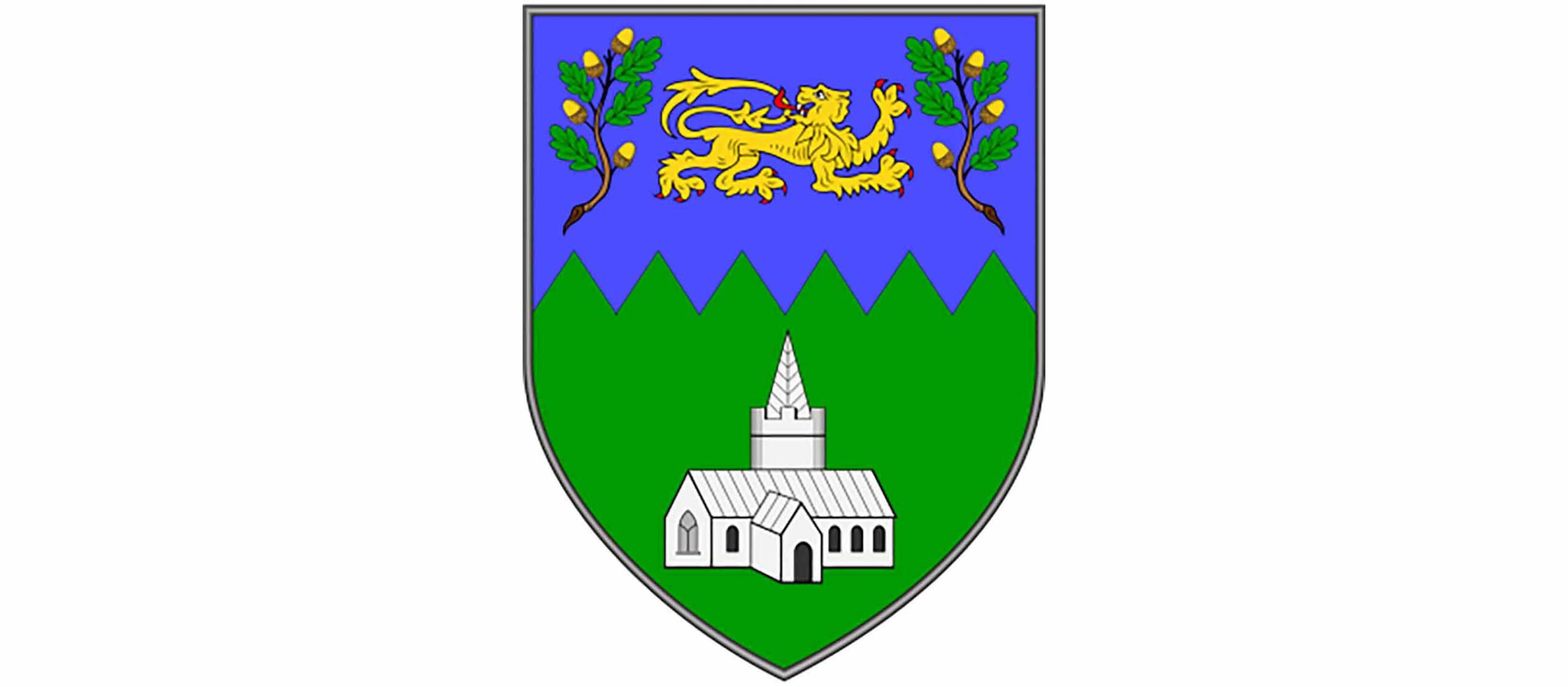
County Wicklow, known as the “Garden of Ireland,” is a scenic gem in Ireland’s Ancient East, just south of Dublin. Renowned for its lush landscapes, historic sites, and coastal charm, Wicklow offers a blend of natural beauty, cultural heritage, and outdoor adventures. With the Wicklow Mountains, pristine beaches, and historic estates, it’s a haven for hikers, history buffs, and families alike. Wicklow is Ireland’s 17th largest county by size (,025 sq km) and 16th largest by population (155,851). Population peaked at 126,143 in 1841 and reached its lowest point, 57,591 in 1926. In terms of hospitality, Wicklow is Ireland’s twelfth most visited tourist county with around 204,000 international visitors per year.
Historical and Cultural Attractions
- Glendalough Monastic Settlement: This 6th-century monastic site in the Wicklow Mountains National Park, founded by St. Kevin, is a crown jewel, attracting over 732,000 visitors in 2018. The valley, meaning “valley of the two lakes,” features a 10th-century round tower, St. Kevin’s Church, Reefert Church, and a graveyard set against stunning lakes and mountains. The visitor center offers exhibits and a short film, while guided walks explore the Upper and Lower Lakes. Entry to the monastic site is free, though parking at the Upper Lake costs €4. The sense of peace and isolation, according to Discover Ireland, makes it a must-visit.
- Powerscourt House and Gardens: Near Enniscorthy, this 19th-century estate spans 47 acres with Italian and Japanese gardens, a 121m waterfall (Ireland’s highest), and a golf club. The Avoca café and shops add charm. Guided tours showcase its history as the Slazenger family seat, and its cinematic beauty has featured in films like Barry Lyndon. It’s one of Ireland’s top fee-charging attractions.
- Russborough House and Parklands: Near Blessington, this 1741 Palladian mansion, designed by Richard Cassels, boasts Ireland’s longest frontage (210m) and a private art collection with works by Gainsborough and Singer Sargent. Guided tours reveal its history, hosting figures like Coco Chanel and Mick Jagger. The estate includes a maze, fairy trail, and playground, ideal for families.
- Wicklow Gaol: In Wicklow Town, this 18th-century prison turned museum offers interactive tours detailing its role in the 1798 Rebellion, famine-era convictions, and War of Independence. Costumed guides and a virtual reality “Gates of Hell” tour bring its haunting past to life, with paranormal tours for thrill-seekers. It’s a top indoor activity for rainy days.
- Avoca Mill: In Avoca village, Ireland’s oldest woolen mill (1723) offers guided tours of its handweaving heritage, a retail store for crafts, and a café. Known from BBC’s Ballykissangel, it’s a cultural hub in the “Garden of Ireland.”
- Victor’s Way Sculpture Park: Near Roundwood, this 20-acre meditative park features 45 black granite Indian sculptures symbolizing life’s phases. Designed for silent reflection, it’s a unique, introspective experience, best visited in soft morning light or late afternoon for mystical shadows. Sturdy shoes and a camera are recommended.
- Wicklow Head Lighthouse: This 18th-century octagonal lighthouse, now a unique accommodation, offers stunning coastal views near Wicklow Town. It’s a historical and scenic stop for those exploring the east coast.
Natural Beauty and Outdoor Activities
- Wicklow Mountains National Park: Spanning 23,000 hectares, Ireland’s largest national park offers rugged valleys, lakes, and trails like the Wicklow Way, a 131km long-distance route from Marlay Park to County Carlow. Glendalough is its most visited spot, with trails like the Spinc and Derrybawn routes. Other highlights include Lough Tay (Guinness Lake, featured in Vikings and P.S. I Love You), Lough Ouler’s heart-shaped lake, and the Sally Gap’s panoramic views. Responsible hiking is encouraged, with dogs on leads to protect wildlife.
- Powerscourt Waterfall: At 121m, Ireland’s highest waterfall, near Powerscourt Estate, is surrounded by wildlife and walking trails, perfect for picnics and nature photography.
- National Botanic Gardens, Kilmacurragh: Near Rathdrum, these 19th-century gardens burst with rhododendrons in spring, featuring plants from China and the Himalayas. Voted among Wicklow’s best attractions, they offer peaceful strolls and botanical history.
- Mount Usher Gardens: In Ashford, this 22-acre garden along the River Vartry features 5,000 plant species, a fern walk, and a café. Self-guided tree trail maps enhance the experience, making it one of Ireland’s top garden attractions.
- Brittas Bay South Beach: A Blue Flag beach with golden sands, it’s ideal for swimming, sunbathing, and watching boats on the Irish Sea. Nearby Bray Head Cliff Walk offers coastal views of Dublin and the Wicklow Mountains.
- Beyond the Trees Avondale: In Rathdrum, this aerial treetop walk, opened in 2022, takes visitors above the forest canopy, culminating in a 38m viewing tower with vistas of the Wicklow Mountains and Vale of Avoca. A 90m slide adds family-friendly fun.
- Great Sugarloaf Mountain: This 501m conical peak near Kilmacanogue offers two trails: a steep 1-hour climb or a 2.5-hour rugged loop, both with panoramic views of Dublin, the Wicklow Mountains, and the Irish Sea.
- Outdoor Activities: Wicklow is a paradise for hikers, with trails like Djouce Mountain and Ballinastoe Woods. Sea swimming, stand-up paddleboarding (e.g., Brittas Bay Surf School), and forest bathing in Ballygannon Wood cater to adventurers. Golfers enjoy courses like Woodenbridge, Tulfarris, and Rathsallagh, known for scenic holes.
Cultural and Culinary Experiences
- Food Scene: Wicklow’s culinary offerings shine at places like The Strawberry Tree in BrookLodge & Macreddin Village, Ireland’s first Organic Trust-certified restaurant, offering a 10-course tasting menu with foraged ingredients like sika venison tartare. The Hungry Monk in Greystones serves quality food in a friendly atmosphere, while The Wicklow Heather in Laragh is praised for locally sourced dishes and champagne. Wicklow Way Wines near Newtownmountkennedy offers tours and tastings of handcrafted berry wines, capturing the Irish summer.
- Pubs and Music: Traditional pubs like the Harbour Bar in Bray and Con Macken’s in Wicklow Town host lively music sessions. The Coach House in Roundwood offers hiker-friendly amenities like showers and bike parking.
- Festivals and Arts: Wicklow Town’s free guided heritage trail (Saturdays, 11 am, Fáilte Ireland Office) explores Viking and Norman history. Bray’s lively arts scene includes galleries and the Bray Head Walk, while the Schoolhouse for Art in Enniscorthy hosts workshops.
Family-Friendly and Adventure Activities
- Seal Rescue Ireland: In Courtown, this conservation center offers seal-feeding experiences and rehab tours, educating families on marine life.
- Glendalough Activities: Fatbike tours, bike rentals, and educational nature walks cater to families, with the Wicklow Passport encouraging exploration via stamps from attractions.
- Wicklow Bowl: In Wicklow Town, this bowling alley is a fun indoor option for families.
- Glamping and Camping: Pet-friendly glamping sites near Blessington Lakes and Brittas Bay offer unique stays with playgrounds and trails
Practical Tips
- Accessibility: Wicklow is 30–60 minutes from Dublin via M11/N11 or Irish Rail (€10–€15) to Wicklow Town, Bray, or Greystones. St. Kevin’s Bus connects Dublin to Glendalough (1 hour). Car hire is ideal for rural sites like Sally Gap or Lough Ouler.
- Weather: Wicklow’s maritime climate is mild, with July highs of 20.4°C (68.7°F) and January highs of 9.2°C (48.6°F). Expect rain year-round (60% less than Ireland’s west coast), so pack waterproof gear. May and September offer mild weather and fewer crowds.
- Accommodation: Options range from the luxurious Tinakilly House overlooking the Irish Sea to family-friendly Clayton Hotel in Leopardstown (near the Wicklow Way) and budget B&Bs in Bray or Arklow. Glamping is popular near the coast. Book early for summer.
- Forest Bathing Expansion: Following its 2021 launch, forest bathing in Ballygannon Wood near Rathdrum expands in 2025 with additional guided sessions by Cathelijne de Wit. These immersive nature experiences cater to wellness tourists seeking mindfulness amid Wicklow’s woodlands.
- Wicklow Passport Promotion: nspired by Spain’s Camino Passport, the Wicklow Passport, free at libraries in Bray, Greystones, Arklow, and Blessington, encourages visitors to collect stamps from attractions like Glendalough and Avoca Mill. Enhanced promotion in 2025 aims to boost exploration of hidden gems.
Visitors to County Wicklow in 2025 can expect a rich tapestry of experiences in the “Garden of Ireland.” Glendalough’s monastic ruins and lakes, Powerscourt’s manicured gardens, and Russborough’s art-filled mansion offer historical depth, while the Wicklow Mountains National Park and Brittas Bay provide hiking, sea swimming, and scenic beauty. Culinary highlights like The Strawberry Tree and cultural stops like Avoca Mill enhance the experience. New for 2025, Fáilte Ireland’s sustainable tourism plan improves Glendalough’s visitor management, a new outdoor primary school opens near Bray, and the Wicklow Christmas Market expands with a larger Eco Ice Rink. Forest bathing, St. Patrick’s Day festivities, and the Wicklow Passport add fresh appeal, making Wicklow a vibrant destination for nature, history, and culture enthusiasts, just a stone’s throw from Dublin.
Off the Beaten Path:
County Wicklow, known as the “Garden of Ireland,” is celebrated for its stunning landscapes and historic sites, but beyond popular destinations like Glendalough and Powerscourt, it hides a wealth of lesser-known attractions. These off-the-beaten-track locations in Wicklow offer authentic experiences, showcasing its rich history, rugged nature, and unique local charm, perfect for travelers seeking quieter adventures.
- Lugnaquilla Mountain Hike: Lugnaquilla, Wicklow’s highest peak at 925 meters, is a challenging yet rewarding hike in the Wicklow Mountains National Park. Less frequented than nearby trails like the Wicklow Way, the ascent via the Glen of Imaal or Fraughan Rock Glen offers dramatic views of granite cliffs, heather moorlands, and distant Carlingford Lough. The summit, marked by a cairn, provides a 360-degree panorama on clear days. Its remote, rugged terrain appeals to experienced hikers seeking solitude away from Glendalough’s crowds, with a raw connection to Wicklow’s wild heart. Near Donard, Co. Wicklow (approx. 30-minute drive from Bray). Start early, bring a map or GPS (e.g., from www.wicklowmountainsnationalpark.ie), and wear waterproof boots, as bogs can be wet. Check weather conditions, as fog can obscure the summit.
- Avondale House Arboretum: Beyond the well-known Avondale House, the birthplace of Charles Stewart Parnell in Rathdrum, lies a sprawling 500-acre arboretum with rare trees, including giant redwoods and exotic species planted in the 18th century. The Treetop Walk, a lesser-known 90-meter-high canopy trail, offers stunning views over the Avonmore Valley, while forest paths like the River Walk reveal hidden glades. Less crowded than Powerscourt Gardens, the arboretum provides a serene escape for nature lovers and those interested in Ireland’s forestry heritage. Rathdrum, Co. Wicklow (Y14 X297, approx. 25-minute drive from Wicklow town). Visit in autumn for vibrant foliage, and check www.coillte.ie for seasonal events. Pair with a stop at Rathdrum’s local cafés for a cozy lunch.
- Baltinglass Abbey and Hillforts: The 12th-century Cistercian Baltinglass Abbey, located along the River Slaney, is a tranquil ruin with intricate Romanesque arches, often overlooked by tourists. Nearby, the Baltinglass Hillfort Complex includes Bronze Age and Iron Age sites like Rathcoran Hillfort, offering sweeping views and a glimpse into Ireland’s ancient past. Its quiet setting and archaeological significance make it a hidden gem for history buffs seeking an alternative to Glendalough’s monastic site. Baltinglass, Co. Wicklow (approx. 40-minute drive from Bray). Wear sturdy shoes for hillfort hikes, as paths are uneven. Visit the abbey early morning for solitude, and check www.heritageireland.ie for historical context.
- Glenmacnass Waterfall: Tucked in the Wicklow Mountains near Laragh, this 80-meter waterfall cascades down a rocky valley, surrounded by heather and granite cliffs. Accessible via a short walk from the R115 road, it’s a scenic spot with fewer visitors than nearby Glenmalure or Powerscourt Waterfall. The surrounding Military Road offers stunning drives through the mountains. Its remote, unspoiled beauty makes it ideal for photographers and nature lovers seeking a quieter waterfall experience. Near Laragh, Co. Wicklow (approx. 20-minute drive from Glendalough). Park carefully along the narrow road, and bring waterproof gear, as mist can be heavy. Combine with a drive to Sally Gap for more mountain vistas.
- Russborough House Parklands: While Russborough House near Blessington is known for its Palladian architecture, its 200-acre parklands are a lesser-visited gem. The estate features hidden walled gardens, a hedge maze, and woodland trails along Blessington Lakes, with views of the Wicklow Mountains. The Fairy Trail and bird-of-prey centre add family-friendly charm. Less crowded than the house tours, the parklands offer a peaceful blend of history and nature, perfect for leisurely walks or family outings. Blessington, Co. Wicklow (W91 W284, approx. 30-minute drive from Bray). Check www.russborough.ie for maze and trail access. Visit in spring for blooming gardens, and bring a picnic to enjoy by the lakes.
- Shillelagh Village and Coolattin Estate: The quaint village of Shillelagh, known for its namesake wooden club, is home to the Coolattin Estate, a historic 18th-century demesne with walking trails through ancient oak woodlands. The estate, once owned by the Fitzwilliam family, includes remnants of a lost village and a famine-era soup kitchen, offering a poignant glimpse into rural Irish history. Its remote location and historical depth make it a hidden treasure for those interested in Ireland’s social history, far from busier sites like Kilruddery House. Shillelagh, Co. Wicklow (approx. 40-minute drive from Wicklow town). Explore the trails with a map from www.visitwicklow.ie, and stop at the Dying Cow Pub in Shillelagh for local stories and a pint.
- Arklow Maritime Museum: Housed in a former Presbyterian church in Arklow, this small, volunteer-run museum showcases Wexford’s maritime heritage with artifacts like ship models, navigation tools, and stories of local shipwrecks. Its collection highlights Arklow’s role as a shipbuilding hub, including tales of the 19th-century schooners. Less known than larger museums, it offers an intimate look at Wicklow’s coastal history, perfect for those seeking a niche, uncrowded experience. Arklow, Co. Wicklow (Y14 YX28, approx. 20-minute drive from Wicklow town). Check opening hours with www.arklowmaritimemuseum.com, as it’s volunteer-operated. Pair with a stroll along Arklow’s South Beach for a coastal vibe.
Practical Tips for Visiting Wicklow’s Hidden Gems:
- Getting Around: A car is essential for most sites, as public transport is limited in rural Wicklow. Rent a car for flexibility, and use www.visitwicklow.ie or www.discoverireland.ie for route planning and trail maps.
- Best Time to Visit: Spring (April-May) for wildflowers and mild weather, or autumn (September-October) for vibrant foliage and fewer visitors. Summer is ideal for coastal or lake activities but can be slightly busier.
- Local Insight: Stop by pubs like The Coach House in Roundwood or The Bridge Tavern in Wicklow town for local tips and heritage brochures. The Wicklow Tourist Office in Wicklow town is a great resource for maps and events.
- Weather Prep: Wicklow’s mountains and coast can be wet and windy; pack a raincoat, sturdy footwear, and layers, especially for hikes like Lugnaquilla or Glenmacnass.
- These attractions highlight Wicklow’s diverse offerings, from ancient ceremonial sites and serene waterfalls to historic estates and maritime heritage, providing an authentic experience away from the crowds of Glendalough or Bray. For further planning, visit www.discoverireland.ie or www.visitwicklow.ie for detailed itineraries and local events.
Wicklow:
Introduction – Adventure – Anthem – Archaeology – Attractions – Awards – Birdwatching – Camping – Castles – Churches – Contact list – Cycling – Dining – Equestrian – Festivals – Fishing – Folklore – Gardens – Golf – Graveyards – Happening – Haunted – Highest – Hiking – History – Holy Wells – Hotels – Hotels top 8 – Hunting & shooting – Instagrammable – Itineraries – Largest town – Luxury – MICE – Movies – Music – Name – New – Novelists – Off the beaten track – Poets – Pubs – Quotes – Random Facts – Restaurant Awards – Sacred Places – Saints – Songs – Spas – Sports – Sunsets – Sustainable – Things to do – Towns – Video – Villages – Walking – Wanderlist – Weddings – Wild swimming – Writers – 1837 – 1846– 1852 – 1909 – 1955 – 1980 –
Ireland’s 32 counties
Antrim – Armagh – Carlow – Cavan – Clare – Cork – Derry – Donegal – Down – Dublin – Fermanagh – Galway – Kerry – Kildare – Kilkenny – Laois – Leitrim – Limerick – Longford – Louth – Mayo – Meath – Monaghan – Offaly – Roscommon – Sligo – Tipperary – Tyrone – Waterford – Westmeath – Wexford – Wicklow