County Kildare, known for its rolling plains, historic estates, and proximity to Dublin, has served as a versatile filming backdrop for period epics, action sequences, and some contemporary Irish stories. Its open landscapes and grand houses have often stood in for other historical settings rather than portraying Kildare itself prominently.
- Ballymore Eustace village and surrounding plains: The village and open fields were used for dramatic rural sequences in Irish Destiny (1926), directed by George Dewhurst; though primary filming occurred in Wicklow (e.g., Enniskerry), Kildare’s countryside contributed to scenes depicting imprisonment and escape during the War of Independence in this silent patriotic drama.
- Ballymore Eustace: Used for the Battle of Falkirk sequence in Braveheart (1995), where vast battle scenes with thousands of extras recreated medieval warfare on the open plains; the same area hosted large-scale battle sets for King Arthur (2004), providing expansive rural landscapes for epic confrontations; it also appeared in Jack (2005), contributing authentic Irish countryside backdrops to the drama.
- Bog of Allen (near the Kildare/Offaly border) and various midlands sites: The vast boglands and surrounding rural areas were the primary location for Eat the Peach (1986), directed by Peter Ormrod, where the desolate, post-industrial landscape captured the story of two unemployed men building a Wall of Death inspired by Elvis Presley films, evoking 1980s Irish economic hardship and quirky enterprise.
- Carton House (Maynooth): This elegant 18th-century stately home and estate, with its grand interiors, gardens, and parkland, appeared in Stanley Kubrick’s Barry Lyndon (1975) for select period sequences depicting aristocratic life and settings in 18th-century Ireland and Europe. The house’s classical architecture contributed to the film’s meticulous visual style. It served as a major filming site for Aristocrats (1999), directed by David Caffrey, where it portrayed the 18th-century home of the Lennox sisters (including Emily, Duchess of Leinster), with its elegant interiors, gardens, and Shell Cottage providing authentic Georgian aristocratic settings; it also appeared in Barry Lyndon (1975), directed by Stanley Kubrick, contributing opulent period exteriors and locations for the film’s meticulously recreated 18th-century world.
- Celbridge: The town and nearby Weston Aerodrome (an airfield in the area) featured in aerial filming for The Blue Max (1966), where period aircraft sequences and dogfights utilised the local facilities and skies to depict World War I aviation; similar aviation heritage supported flying scenes in Von Richthofen and Brown (1971, also known as The Red Baron), drawing on the same airfield resources for authentic biplane action.
- Curragh plains and racecourse areas: The expansive Curragh landscape, famed for horse racing, stood in for Irish racing scenes in The Shamrock Handicap (1926), directed by John Ford; this silent comedy-romance set partly in County Kildare used the county’s equestrian heritage and open fields to depict the story’s Irish estate and handicap race elements before shifting to America.
- Harristown House and farmyard (near Naas): This Georgian house and its grounds doubled as a French village scene in Frankie Starlight (1995), directed by Michael Lindsay-Hogg, adding to the film’s poignant, magical-realist narrative of a small-statured man recounting his life.
- Kilcullen: The town and surrounding countryside featured in Blood Coloured Moon (2009), a lesser-known drama using rural Kildare for atmospheric, character-focused scenes; Rewind (2010) also utilised local spots for its time-bending narrative; the area supported various Irish productions requiring authentic midlands rural charm.
- Kill: This village contributed to the quirky comedy Man About Dog (2004), with local streets and atmosphere enhancing the film’s Belfast lads’ misadventures in greyhound racing. The former Mabassador Hotel featured in the film I went Down.
- Kilteel: The village, including its pub and rural surroundings, served as a key nostalgic Irish countryside setting in This Is My Father (1998), starring Aidan Quinn and James Caan, evoking family secrets and rural heritage.
- Leixlip: The town hosted scenes for Between Friends (1994), a drama using local settings for interpersonal stories; A Secret Affair (1999) filmed in the area, including Weston Aerodrome elements, for romantic and dramatic sequences.
- Maynooth town and housing estates: The town, including its streets and suburban areas, served as the main setting for Guiltrip (1995), directed by Gerard Stembridge, where it portrayed a small Irish town’s housing estate life for the tense domestic drama about a soldier and his wife facing personal turmoil. The town, including Carton House estate and nearby grounds, provided elegant period settings for Educating Rita (1983), where scenes (including a French sequence) used the area’s architecture and university proximity for character-driven moments; it stood in for Southern American estates in the miniseries Scarlett (1994), the Gone with the Wind sequel; My Boy Jack (2007) utilised local sites for wartime family drama; and The Big Red One (1980) incorporated rural and estate elements for World War II sequences; additional films like Guiltrip (1995), Showhouse (2005), and The Caged Bird (2010) drew on the town’s streets and buildings for contemporary Irish stories.
- Monasterevin: This canal town and its peaceful rural environs appeared in Country Cool (2003), capturing small-town Irish life and community vibes in this lesser-seen film.
- Naas: The county town and its streets, including town centre roads, used for scenes in Borstal Boy (2000), directed by Peter Sheridan; the location helped recreate aspects of Brendan Behan’s youth and imprisonment story, drawing on Kildare’s small-town feel for the biographical drama’s Irish elements (though much was set in England). It featured in Veronica Guerin (2003), the biographical drama starring Cate Blanchett as the murdered Irish journalist; scenes such as driving sequences through the town added authentic local flavour to the film’s depiction of 1990s Ireland and investigative journalism amid crime and corruption. It also provided street and town scenes for When the Sky Calls (2000) and Rewind (2010), offering everyday Irish urban-rural blend; it also featured in Man About Dog (2004) for driving and small-town sequences in the greyhound comedy. Naas was used for scenes in Borstal Boy (2000), directed by Peter Sheridan; the location helped recreate aspects of Brendan Behan’s youth and imprisonment story, drawing on Kildare’s small-town feel for the biographical drama’s Irish elements (though much was set in England).
- Other productions have used Kildare for minor or supporting scenes, such as parts of Leap Year (2010) around Maynooth for rural and estate shots, or incidental use in titles like The Count of Monte Cristo (2002) and King Arthur (2004) for period exteriors. County Kildare’s film heritage emphasises its utility for historical and battle spectacles (Braveheart remains the standout global connection) rather than a single iconic landmark, with the Curragh Plains as the most celebrated and recognisable site for visitors interested in cinematic history. Unlike counties with clustered natural wonders or urban sets, Kildare offers open, versatile landscapes close to Dublin.
- Prosperous town (including Dowlings Pub): This small town and its local pub featured prominently in I Went Down (1997), directed by Paddy Breathnach; the streets and pub interiors captured authentic 1990s rural Irish pub culture and key scenes in the crime comedy road trip starring Brendan Gleeson and Peter McDonald, as the characters navigated debts and mishaps across Ireland.
- Robertstown and surrounding areas (including canal and rural sites): The peaceful canal village and nearby countryside appeared in Draiocht (1997), directed by Aine O’Connor, providing authentic rural Irish settings for the film’s themes and scenes.
- The Curragh (including Curragh Racecourse and plains): This vast open grassland and renowned racecourse served as a key location for Dick Francis: Twice Shy (1989, part of the Dick Francis Mysteries TV series), where the equestrian setting and racetrack captured the world of horse racing central to the story’s mystery and intrigue; the expansive plains have also supported other productions requiring wide, open rural Irish landscapes.Itfeatured as the dramatic setting for the Battle of Stirling Bridge in Braveheart (1995), Mel Gibson’s Oscar-winning epic about Scottish independence. The sweeping fields hosted intense battle scenes with thousands of extras, capturing the film’s raw, medieval warfare amid the wide, windswept terrain; the spot is sometimes locally called “Braveheart Hill” in reference to the filming.
- Various County Kildare settings (including military base areas and towns): The county served as the primary backdrop for Dating Amber (2020), a coming-of-age comedy-drama about two teenagers faking a relationship in 1990s Ireland to hide their sexualities. Filmed around local towns and a depicted military base (inspired by real Kildare sites), it captured small-town Irish life with humour and heart.
- Various rural and estate areas: Kildare’s versatile countryside and properties appeared in Solomon 1 (1998), directed by Peter Murphy (co-directed with Rachael Moriarty), a short film using the county’s quiet, everyday locations to ground its narrative in genuine Irish rural atmosphere. Kildare’s countryside provided backdrops for Tintown (2003), directed by Irina Maldea; the film’s depiction of a bizarre internment camp riot during World War II utilised the county’s isolated rural spots to evoke the confined, tense atmosphere of the last civil war clashes in this short dramatic piece. The county’s midlands landscapes supported Portrait (2005), directed by Simon O’Neill, providing understated rural backdrops for this lesser-known short or independent film exploring personal or artistic themes in an authentic Irish setting. The county’s fields, plains, and midlands scenery featured in Brutal Glory (1991), directed by Conan McCabe, a short film set during the Irish Civil War, utilising authentic Irish rural backdrops for its dramatic narrative; similar versatile rural spots supported DEBT (2007), directed by Derek Wheeler, a short film drawing on Kildare’s understated landscapes for its introspective story. The county provided settings for Whatever Love Means (2005), a TV movie dramatising the relationship between Prince Charles and Camilla Parker Bowles; Kildare’s landscapes and properties helped recreate aristocratic and rural scenes in this biographical drama. Rural and atmospheric spots in the county featured in Shellshock (2011), a short drama film; the locations contributed to the story’s tense, introspective tone, drawing on Kildare’s quiet countryside for character-driven Irish narratives. Locations across the county were used for Marie Curie: More Than Meets the Eye (1995), a biographical TV movie exploring the scientist’s life; the understated midlands scenery provided suitable backdrops for historical and educational sequences in this lesser-known drama. The county’s versatile rural and estate areas stood in for period settings in Newton: A Tale of Two Isaacs (1997, also known as A Tale of Two Isaacs), a TV movie dramatising Isaac Newton’s life and scientific rivalries; the locations evoked 17th-century intellectual and pastoral atmospheres in this educational biographical piece.
- Weston Aerodrome (near Leixlip): This small private airfield was a filming site for aerial sequences in The Blue Max (1966), the classic World War I aviation drama starring George Peppard as a German fighter pilot. The location provided runways and sky for dogfight and takeoff scenes, enhancing the film’s authentic period flying action.
- Weston Aerodrome, near Leixlip: This local airfield was a primary site for aerial filming in The Blue Max (1966), directed by John Guillermin; the facility and surrounding skies hosted dogfight sequences and aviation action in this World War I epic starring George Peppard, with Kildare’s open spaces ideal for period aircraft manoeuvres.
These locations reflect County Kildare’s enduring role in Irish cinema, from silent-era patriotic films and John Ford’s early Irish-themed works to 1990s crime comedies and aviation epics. The county’s mix of open plains, airfields, small towns, and rural authenticity makes it suitable for historical dramas, comedies, and character stories. The county often provides genuine midlands Irish settings rather than extensive stand-ins for foreign locales.
Movie locations in the county
Antrim – Armagh – Carlow – Cavan – Clare – Cork – Derry – Donegal – Down – Dublin – Fermanagh – Galway – Kerry – Kildare – Kilkenny – Laois – Leitrim – Limerick – Longford – Louth – Mayo – Meath – Monaghan – Offaly – Roscommon – Sligo – Tipperary – Tyrone – Waterford – Westmeath – Wexford – Wicklow
County Kildare:
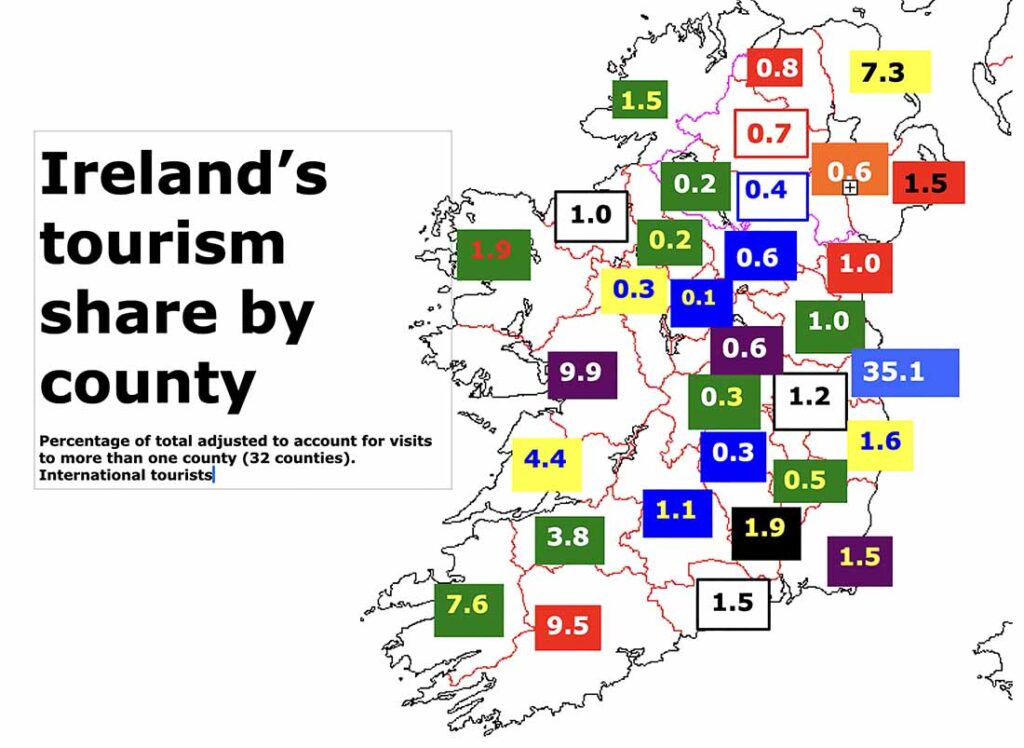
Ireland’s county Kildare blends historic sites with lush countryside, with the National Stud and Japanese Gardens offering a unique mix of equine heritage and serene landscapes. Castletown House, a grand Palladian mansion, provides historical insights, while the Curragh’s open plains are ideal for walking. The ancient Hill of Allen adds archaeological depth, making Kildare an engaging stop for culture and nature. The new Shackleton Experience has opened in Athy. Kildare is Ireland’s eighth smallest county by size (1,694 square km) and seventh largest by population (247,774). Population reached its lowest point, 57,892 in 1936. In terms of hospitality, Kildare is Ireland’s 15th most visited tourist county with around 168,000 international visitors per year.
Introduction – Adventure – Anthem – Archaeology – Attractions – Awards – Birdwatching – Camping – Castles– Churches – Contact list – Cycling – Dining – Equestrian – Festivals – Fishing – Folklore – Gardens – Golf – Graveyards – Happening – Haunted – Highest – Hiking – History – Holy Wells – Hotels – Hotels top 8 – Hunting & shooting – Instagrammable – Itineraries – Largest town – Luxury – MICE – Movies – Music – Name – New – Novelists – Off the beaten track – Poets – Pubs – Quotes – Random Facts – Restaurant Awards – Sacred Places – Saints – Songs – Spas – Sports – Sunsets – Sustainable – Things to do – Towns – Video – Villages – Walking – Wanderlist – Weddings – Wild swimming – Writers – 1837 – 1846 – 1852 – 1909 – 1955 – 1980 –