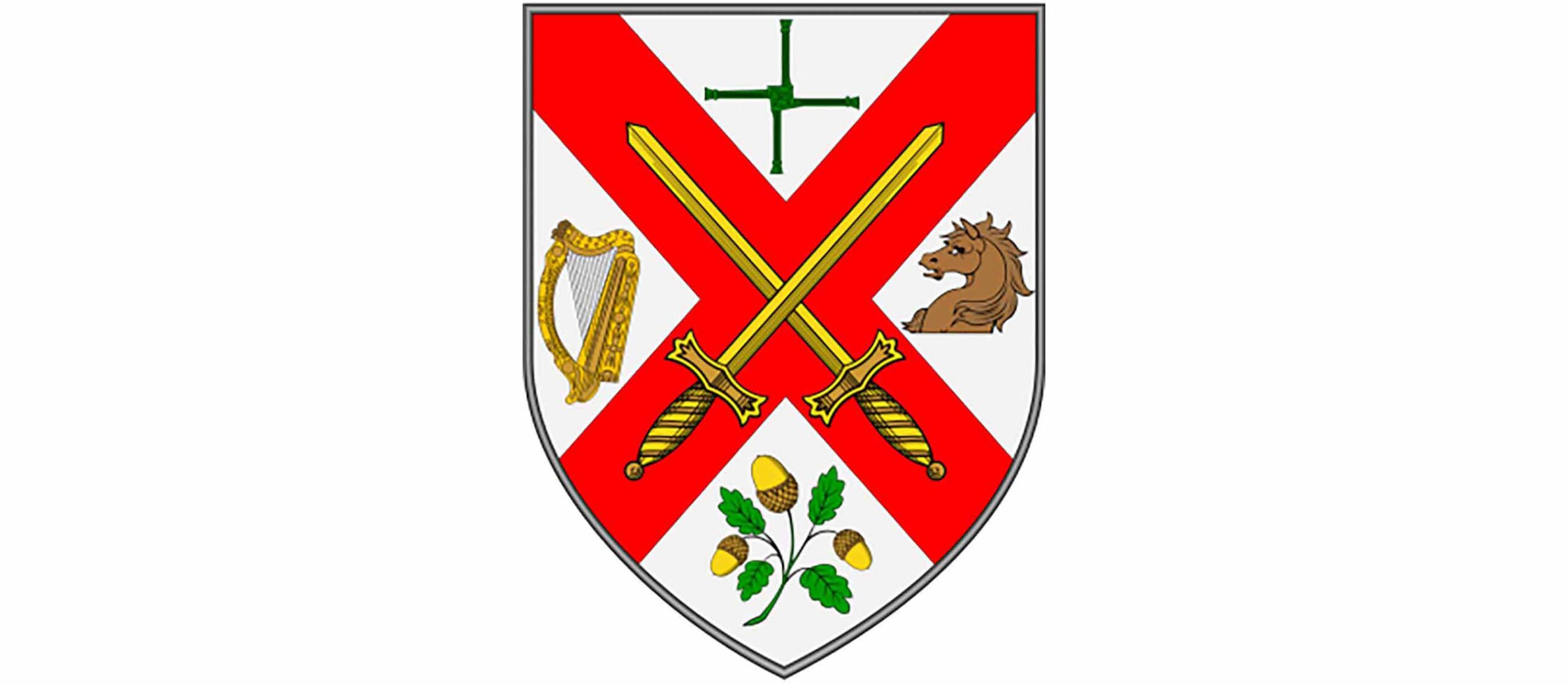
County Kildare, just south west of Dublin wwith easy airport access via the M50, offers diverse birdwatching opportunities with its mix of wetlands, rivers, canals, bogs, woodlands, and farmlands. While not as renowned for rare migrants as coastal counties, Kildare’s inland habitats, particularly around the River Liffey, Grand Canal, and boglands, attract a variety of resident and wintering birds.
Pollardstown Fen
- Located near Milltown, Pollardstown Fen is Ireland’s largest spring-fed fen, a Special Area of Conservation (SAC) and a prime site for wetland and grassland birds. Its alkaline fen, open water, and reedbeds host diverse species.
- Water Rail: Secretive resident, often heard in reedbeds, especially in spring and autumn, best seen at dawn or dusk.
- Snipe: Common in wet grasslands, particularly in winter; listen for their “drumming” display in spring.
- Reed Bunting: Breeds in reedbeds, visible year-round but more active in summer.
- Sedge Warbler, Grasshopper Warbler: Summer visitors (April–August), singing in reeds and scrub.
- Mallard, Teal: Wintering waterfowl, seen in open water areas or flooded grasslands.
- Moorhen, Coot: Common residents in reedbeds and open water, visible year-round.
- Kingfisher: Occasionally spotted along drainage channels or the fen’s edges, particularly in quieter areas.
- Lapwing: Winter visitor, often in small flocks on wet grasslands from November to March.
- Viewing Tips: Access via the car park off the R415 near Milltown. Follow boardwalks and paths to avoid disturbing the habitat. Winter is best for waterfowl and waders, spring for breeding warblers. Binoculars are essential for spotting secretive species like Water Rail.
Grand Canal (Including Sallins and Naas)
The Grand Canal stretches through Kildare, offering waterside habitats and towpaths for birdwatching, particularly around Sallins, Naas, and Robertstown.
- Kingfisher: Regularly seen along the canal, especially near Sallins or Naas, perched on branches over water.
- Grey Heron: Common resident, often standing motionless along canal banks.
- Moorhen, Coot: Abundant in canal waters, visible year-round.
- Little Grebe: Present in quieter canal sections, particularly in winter.
- Mute Swan: Common resident, often seen in pairs or small groups along the canal.
- Mallard, Tufted Duck: Wintering ducks, visible in open water areas.
- Reed Bunting: Found in canal-side reedbeds, especially in summer.
- Swallow, House Martin: Summer visitors (April–September), hawking insects over the canal.
- Viewing Tips: Walk the towpaths from Sallins or Naas for easy access. Early mornings are best for Kingfisher sightings. Respect private land and stay on public paths.
River Liffey (Including Celbridge, Leixlip, and Newbridge)
The River Liffey flows in an arc through Kildare, providing riverine habitats for waterbirds and surrounding woodlands for passerines.
- Dipper: Resident along fast-flowing sections, particularly near Celbridge or Leixlip, often seen diving for insects.
- Grey Wagtail: Common along the river, especially in winter, recognizable by its yellow underparts and wagging tail.
- Kingfisher: Frequently spotted along quieter stretches, such as near Newbridge or Celbridge.
- Grey Heron, Little Egret: Common along riverbanks, particularly in winter.
- Mallard, Teal: Wintering ducks in slower river sections or nearby wetlands.
- Sparrowhawk: Often seen hunting small birds in riverside woodlands, especially in autumn.
- Woodland Birds: Areas like Castletown House (Celbridge) host Chaffinch, Blue Tit, Great Tit, and Blackcap in spring and summer.
- Viewing Tips: Access via public paths near Celbridge (Castletown House grounds) or Leixlip. Newbridge’s riverside park is also good. Look for Dippers in shallow, rocky areas and Kingfishers in quieter spots.
Lullymore and Lullybeg Nature Reserves (Bog of Allen)
Part of the Bog of Allen, these reserves near Rathangan, managed by the Irish Peatland Conservation Council (IPCC), feature cutaway bogs, wetlands, and woodlands, ideal for bogland and wetland species.
- Hen Harrier: Winter visitor, occasionally seen hunting over the bog, identifiable by its low, gliding flight.
- Merlin: Rare winter visitor, hunting over open boglands.
- Snipe, Woodcock: Common in wet areas, especially in winter; Woodcock is more active at dusk.
- Meadow Pipit, Skylark: Breed in open boglands, singing in spring and summer.
- Kestrel: Frequently hovers over the bog, hunting for small mammals or insects.
- Reed Bunting: Common in wetland areas, particularly in summer.
- Stonechat: Resident, perching on gorse or low shrubs year-round.
- Rare Marsh Harrier and Short-eared Owl have been recorded in winter, though sightings are rare.
- Viewing Tips: Visit the IPCC’s Biodiversity Action Centre at Lullymore for maps and guided tours. Walk trails in Lullybeg for open bog views. Winter is best for raptors, spring for breeding passerines. A telescope is useful for distant birds.
Donadea Forest Park
A 243-hectare woodland park near Prosperous, Donadea features mixed forests, a lake, and open parkland, attracting woodland and waterbirds.
- Jay: Common in mature woodlands, especially in autumn when collecting acorns.
- Sparrowhawk, Buzzard: Resident raptors, often seen hunting in or near the forest.
- Treecreeper, Goldcrest: Common in coniferous and deciduous woods, visible year-round.
- Blackcap, Chiffchaff: Summer breeding warblers, heard singing from April to August.
- Great Spotted Woodpecker: Increasingly common in Kildare’s woodlands, often heard drumming in spring.
- Mallard, Moorhen: Present in the lake, visible year-round.
- Long-tailed Tit: Small flocks roam the woodlands, especially in winter.
- Viewing Tips: Park at the main entrance and follow marked trails around the lake or through woodlands. Spring is best for breeding birds, winter for mixed tit flocks. The park has a café and parking facilities.
St. Brigid’s Well and Surrounding Wetlands (Kildare Town)
This historic site near Kildare Town includes wetlands and grasslands, attracting waterbirds and farmland species.
- Snipe: Common in wet areas, particularly in winter.
- Lapwing: Winter visitor, seen in flocks on nearby fields from November to March.
- Grey Heron: Often seen in wetlands or near the well’s streams.
- Meadow Pipit: Common in grasslands, especially in spring and summer.
- Yellowhammer: Declining but still present in farmland hedgerows, more visible in summer.
- Viewing Tips: Access via public paths near St. Brigid’s Well. Check surrounding fields for Lapwing and hedgerows for Yellowhammer. Winter visits maximize wader sightings.
Moore Abbey Woods (Monasterevin)
A woodland area along the River Barrow, offering habitats for forest and riverine birds.
- Dipper: Resident along the River Barrow, seen in fast-flowing sections.
- Kingfisher: Occasionally spotted along the river, especially in quieter areas.
- Wood Pigeon, Blackbird: Common in woodlands year-round.
- Goldcrest, Coal Tit: Resident in coniferous areas, visible throughout the year.
- Chiffchaff: Summer visitor, singing in woodlands from April to August.
- Viewing Tips: Walk riverside paths or woodland trails near Moore Abbey. Early mornings are best for Dipper and Kingfisher. Respect private land boundaries.
Kildare National Stud and Japanese Gardens
Located near Kildare Town, this site combines landscaped gardens, parkland, and wetlands, attracting a variety of birds.
- Robin, Blackbird, Song Thrush: Common in gardens and parkland, visible year-round.
- Grey Heron: Often seen near water features or wetlands.
- Moorhen: Present in ponds within the Japanese Gardens.
- Swallow, Swift: Summer visitors, hawking insects over open areas from May to August.
- Bullfinch: Occasional in hedgerows, particularly in autumn.
- Viewing Tips: Explore the gardens and parkland during a visit to the National Stud. Spring and summer are best for breeding birds. Entry fees apply for the gardens.
Seasonal Considerations:
- Spring (March–May): Breeding warblers (e.g., Sedge Warbler, Blackcap) and resident species like Dipper are active at Pollardstown Fen, Donadea, and the Grand Canal.
- Summer (June–August): Summer migrants like Swallow, Chiffchaff, and Grasshopper Warbler are prominent in wetlands and woodlands.
- Autumn (September–November): Migratory waders (e.g., Snipe) and early winter visitors like Lapwing arrive at Pollardstown Fen and St. Brigid’s Well.
- Winter (November–March): Waterfowl (e.g., Teal, Tufted Duck) and waders (e.g., Lapwing, Black-tailed Godwit) dominate wetlands like Pollardstown Fen and the Grand Canal.
Access and Facilities:
- Pollardstown Fen: Free entry, with a car park and boardwalks. No facilities, so bring supplies.
- Grand Canal: Public towpaths are accessible; parking is available in towns like Sallins or Naas.
- Donadea Forest Park: Free entry, with parking, toilets, and a café. Well-marked trails make it family-friendly.
- Lullymore/Lullybeg: The IPCC Biodiversity Action Centre offers guided tours and facilities; check opening times.
- St. Brigid’s Well: Free access, but limited parking; respect the site’s cultural significance.
- Conservation: Pollardstown Fen and Lullymore are protected sites (SAC and nature reserves), so adhere to guidelines to avoid disturbing wildlife. Report rare sightings to BirdWatch Ireland or the Irish Rare Birds Committee via BirdGuides.
- Rare Sightings: Kildare has fewer records of vagrants compared to coastal counties, but species like Marsh Harrier, Short-eared Owl, and Green-winged Teal have been recorded at Pollardstown Fen or Lullymore. The county’s wetlands are under-birdwatched, offering potential for new discoveries.
- Common Garden Birds: Across Kildare’s towns, gardens, and farmlands, expect Robin, Blackbird, House Sparrow, Blue Tit, Chaffinch, Wren, Dunnock, and Magpie, especially in suburban areas like Naas or Celbridge.
Recommendations for Birdwatchers
- Start at Pollardstown Fen: A must-visit for wetland species like Water Rail and Snipe. Winter and spring visits maximize diversity.
- Explore the Grand Canal: Ideal for Kingfisher and waterbirds, with easy towpath access from Sallins or Naas.
- Visit Donadea Forest Park: Perfect for woodland birds like Jay and Great Spotted Woodpecker, with family-friendly facilities.
- Check Lullymore/Lullybeg: Offers a chance to see bogland species like Hen Harrier, with guided tours enhancing the experience.
- Join BirdWatch Ireland: The Kildare Branch organizes outings to sites like Pollardstown Fen and Lullymore. Check birdwatchireland.ie for events or contact kildarebirdwatch@gmail.com.
- Use Resources: “Finding Birds in Ireland” by Eric Dempsey and Michael O’Clery provides site-specific advice. BirdGuides.com and IrishBirding.com offer real-time sighting updates.
Kildare:
Kildare blends historic sites with lush countryside, with the National Stud and Japanese Gardens offering a unique mix of equine heritage and serene landscapes. Castletown House, a grand Palladian mansion, provides historical insights, while the Curragh’s open plains are ideal for walking. The ancient Hill of Allen adds archaeological depth, making Kildare an engaging stop for culture and nature. The new Shackleton Experience has opened in Athy. Kildare is Ireland’s eighth smallest county by size (1,694 square km) and seventh largest by population (247,774). Population reached its lowest point, 57,892 in 1936. In terms of hospitality, Kildare is Ireland’s 15th most visited tourist county with around 168,000 international visitors per year.
Introduction – Adventure – Anthem – Archaeology – Attractions – Awards – Birdwatching – Camping – Castles– Churches – Contact list – Cycling – Dining – Equestrian – Festivals – Fishing – Folklore – Gardens – Golf – Graveyards – Happening – Haunted – Highest – Hiking – History – Holy Wells – Hotels – Hotels8 – Instagrammable – Itineraries – Largest town – Luxury – MICE – Movies – Musicians – Name – New – Novelists – Off the beaten track – Poets – Pubs – Quotes – Random Facts – Restaurant Awards – Saints – Spas – Sports – Sunsets – Sustainable –Things to do – Towns – Video – Villages – Walking – Wanderlist – Weddings – Wild swimming – Writers – 1837 – 1846 – 1852 – 1909 – 1955 – 1980 –
Birdwatching
Antrim – Armagh – Carlow – Cavan – Clare – Cork – Derry – Donegal – Down – Dublin – Fermanagh – Galway – Kerry – Kildare – Kilkenny – Laois – Leitrim – Limerick – Longford – Louth – Mayo – Meath – Monaghan – Offaly – Roscommon – Sligo – Tipperary – Tyrone – Waterford – Westmeath – Wexford – Wicklow