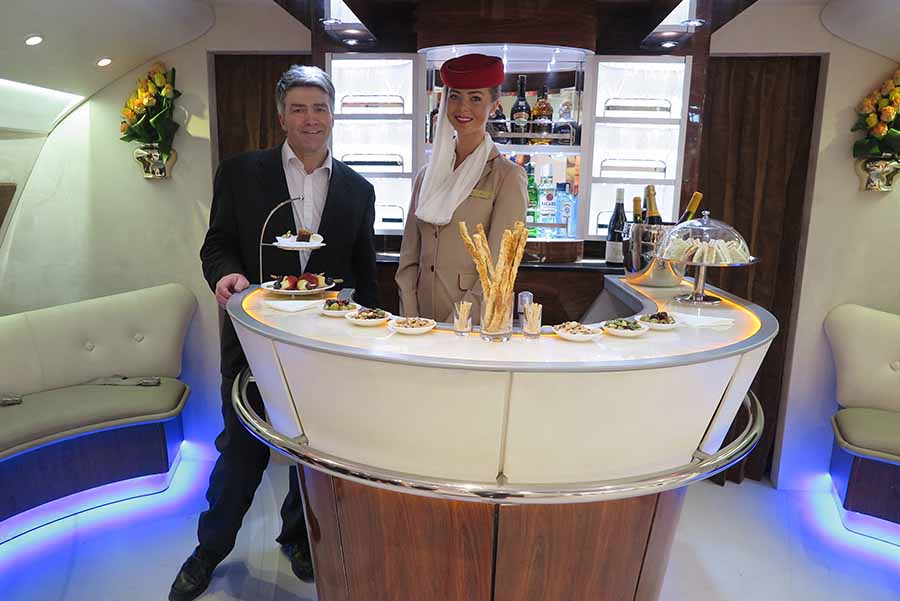
- Ramadan 2026 will begin for most Muslims on the evening of Tuesday 17 February 2026, and will end on the evening of Wednesday, March 18
The holy season of Ramadan is upon us, this year coinciding with the holy season of Lent in western Christianity for only the fourth time in just over a century (1916, 1948, 1992, 2026).
Emirates observes Ramadan by providing specially curated Iftar meals, calculated using a tool for precise timing based on location (latitude/longitude/altitude) to determine sunset. Complimentary Ramadan meal boxes (dates, water, laban, sandwiches) are served at boarding gates and on flights to select destinations. Whole regular in-flight meal service continues for all passengers, it is impossible to travel east without coming into contact with the holy month.
It is important to take on board the customs and protocols that should be observed if international air travellers are not to cause offense to their hosts. With the growth of the four big Middle Eastern Airlines (Saudia and Riyadh will, no doubt, be joining them in global reach) and so many of us using their on-air hospitality and their lounges, it is not so much a question of following rules as to be aware of the etiquette.
Let’s start with alcohol. Asking for alcohol to be served openly is a no no. The airlines, with some exceptions such as Egyptair and Kuwait, will serve alcohol to guests, but be aware they are aiming for discretion so as not to offend your fellow passengers.
In the same vein, eating and drinking in public view requires sensitivity. During daylight hours, Muslims observe fasting, refraining from food, drink, and even water from dawn until sunset. On flights or in airport lounges operated by carriers like Emirates, Qatar Airways, Etihad, or Turkish Airlines, passengers might notice that meal services adjust to accommodate this practice. Cabin crew often delay serving meals or provide them in a manner that respects those fasting. If you feel the need to eat, consider doing so quietly, perhaps in a secluded corner of the lounge or by drawing the curtains in your seat pod. Revealed by airline guidelines, some carriers offer pre-dawn meals known as suhoor for those who request them, ensuring that non-fasting travellers can dine without drawing attention. This approach fosters harmony among diverse passengers, many of whom hail from regions where such observances hold deep cultural weight.
Dress code forms another key aspect of this etiquette. While air travel often prioritises comfort, modesty aligns with the spirit of the month. For women, covering shoulders and knees proves considerate, especially in lounges or upon arrival in destinations like Dubai, Doha, or Abu Dhabi. Men, too, benefit from avoiding shorts or sleeveless shirts in public areas. Confirmed by travel advisories from the Foreign Office, such choices prevent unintended discomfort. Airports in the Gulf region, such as Hamad International in Qatar, feature prayer rooms and ablution facilities, where attire that respects local norms enhances the overall experience. Remember, this is not about conformity but about showing respect in shared spaces, much as one would adapt in any foreign setting.
Prayer times demand particular awareness. Five daily prayers punctuate the day, and during Ramadan, these moments gain added solemnity. On board, airlines often reveal prayer schedules via in-flight entertainment systems or through announcements from the captain. Passengers might hear the call to prayer, or adhan, broadcast subtly. If you find yourself in a lounge during these times, stepping aside or lowering your voice allows others to focus. In cities like Istanbul or Riyadh, where layovers occur, terminals include dedicated mosques. Etiquette here involves removing shoes before entering and maintaining silence. For those unfamiliar, apps like Muslim Pro can provide timings, helping travellers anticipate and accommodate these intervals without disruption.
Gift-giving and social interactions round out the considerations. Exchanging pleasantries with phrases like “Ramadan Mubarak” conveys goodwill, bridging cultural gaps. When offering gifts, opt for dates, sweets, or non-alcoholic beverages, as these align with iftar traditions – the meal breaking the fast at sunset. In business class lounges, where networking happens, steering conversations away from food or drink during fasting hours shows thoughtfulness. Confirmed by cultural experts, such gestures strengthen relations, particularly in a month focused on charity and community. If invited to an iftar, arriving on time and partaking modestly honours the host.
This period offers a chance for reflection. Travellers from Dublin to Australia, via stopovers in the Middle East, encounter a tapestry of traditions that enrich their own perspectives. In autumn months, when some routes align with other festivals, the overlap encourages mutual understanding. Dates like 17 February 2026 mark not just calendar entries but opportunities for empathy. Retaining the spirit of hospitality that defines these airlines, passengers contribute to a positive atmosphere.
Websites from carriers provide detailed FAQs, while ground staff offer guidance. In premium cabins, where amenities include showers and spas, using them discreetly during peak prayer hours avoids congestion. For families travelling with children, explaining these customs in advance prepares younger ones, turning potential awkwardness into educational moments.
Economic factors play a role too. With oil prices stabilising, ticket costs in euro terms hover at €800 for economy returns from Dublin to Dubai, incentivising more Europeans to explore. Tour operators like Destination2 are concentrating on their offering of Emiratii product This influx heightens the importance of etiquette, as crowded flights amplify any faux pas. Confirmed by passenger surveys, satisfaction rates climb when cultural respect prevails.
IAs the sun sets on iftar gatherings, whether in the air or on the ground, the shared breaking of bread – or dates – symbolises unity. For business travellers sealing deals in Riyadh or tourists heading to Mecca’s outskirts, this awareness ensures seamless experiences. Retaining the core of hospitality, airlines facilitate this, with lounges offering dates and Arabic coffee at sunset.
These five points – discretion with alcohol, sensitivity around eating and drinking, modest dress, respect for prayer times, and thoughtful social exchanges – encapsulate the essence of navigating Ramadan in the skies. Looking ahead, as Saudia expands routes to Manchester, Edinburgh and, aafetr the rmoval fo the passenger cap, Dublin, the dialogue on cross-cultural etiquette will evolve. By embracing these points, travellers honour not just their hosts but the broader human connection that air travel enables. In a world of rapid movement, pausing for such considerations grounds us all.
In 2027 Ramadan is expected to take place from the evening of Monday 7th February to Tuesday 9th March.
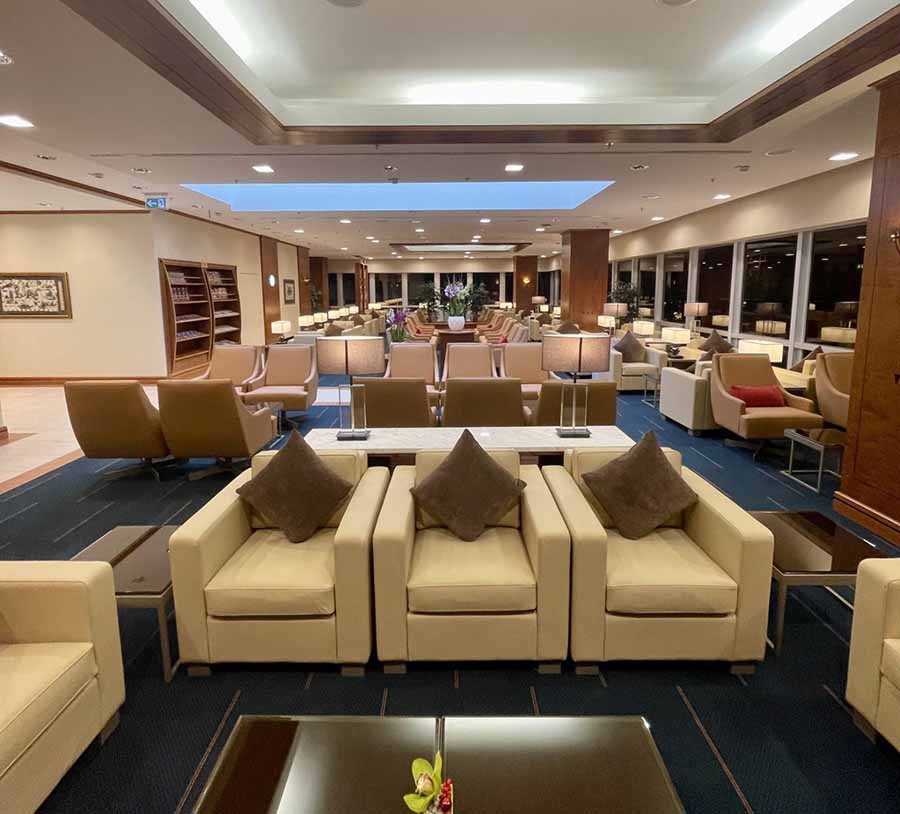
Emirates lounge at Heathrow