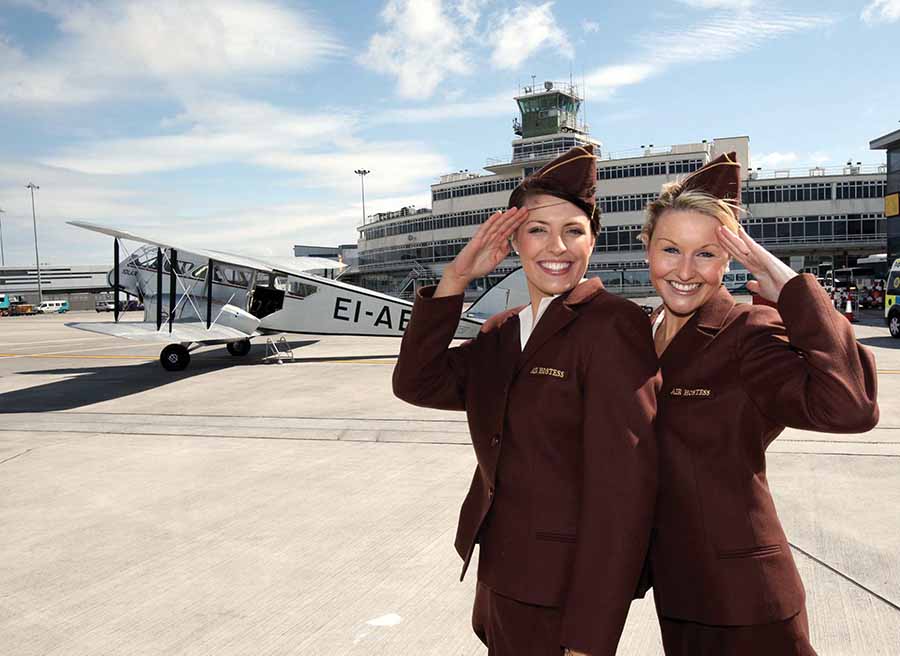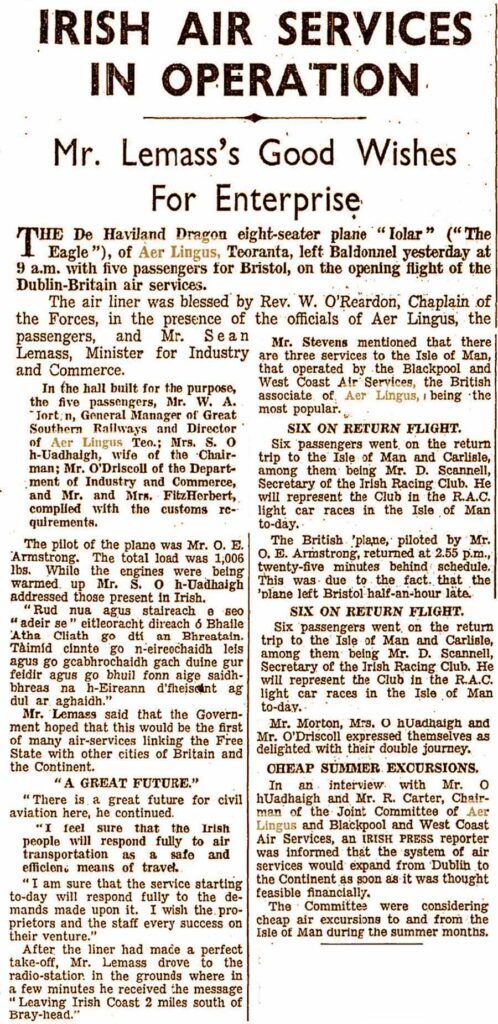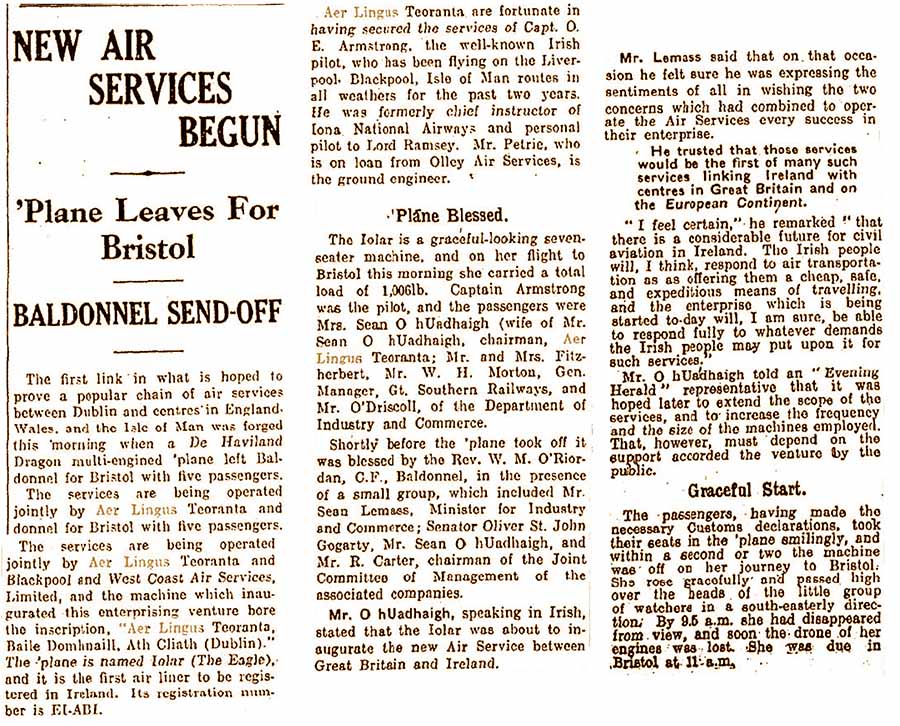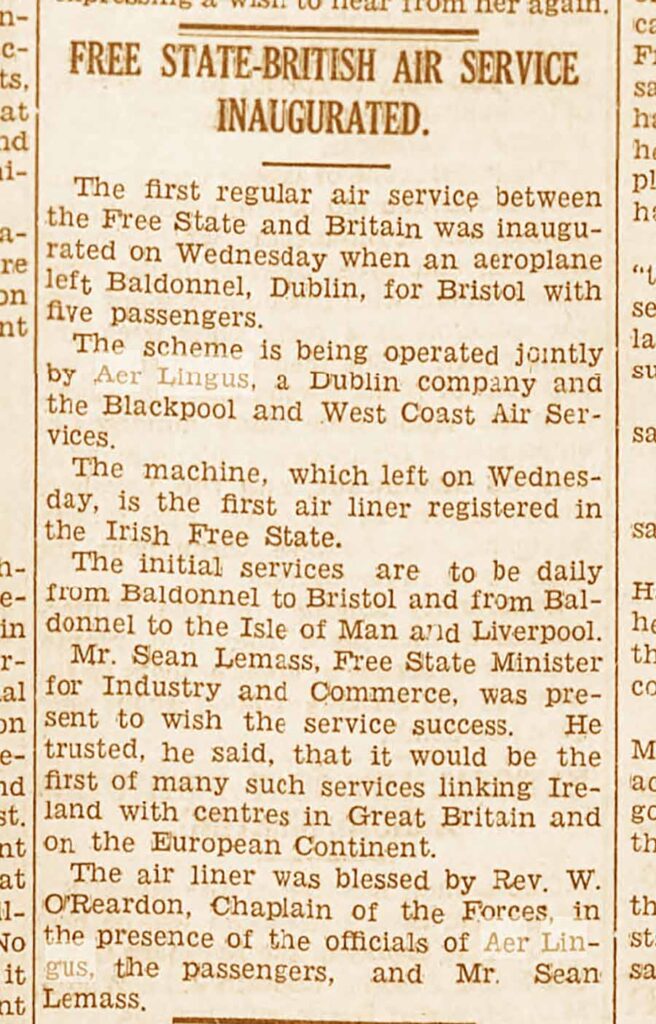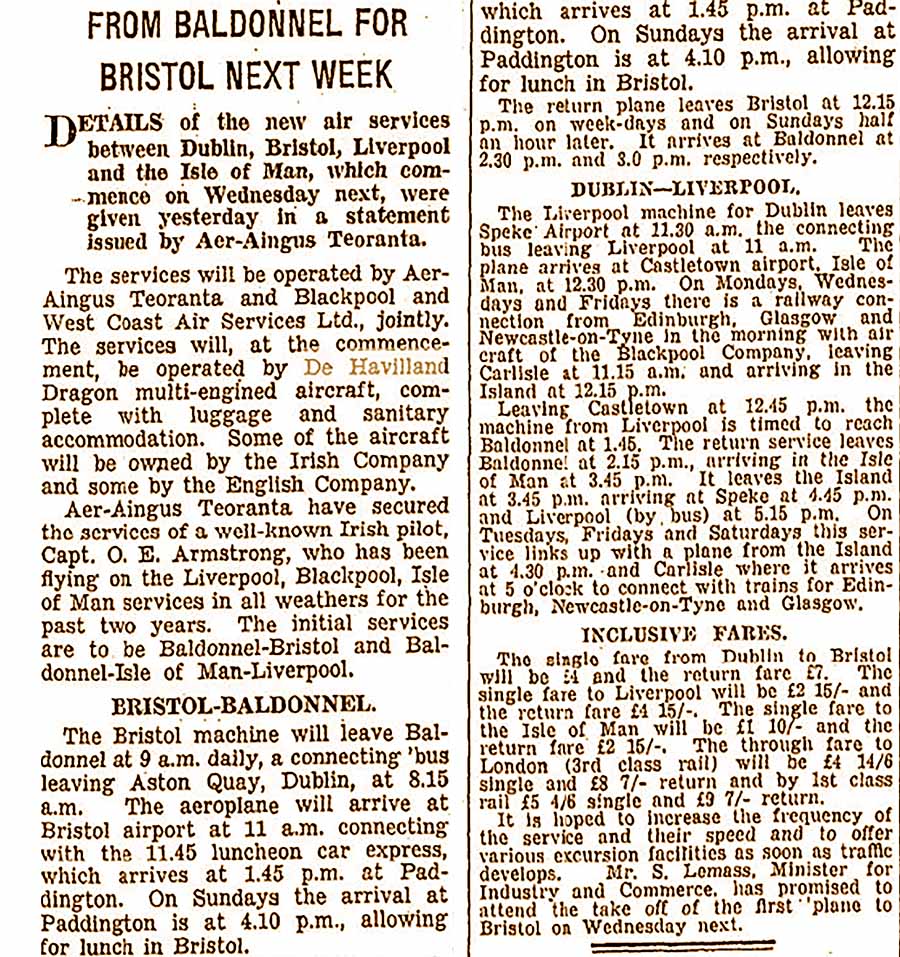
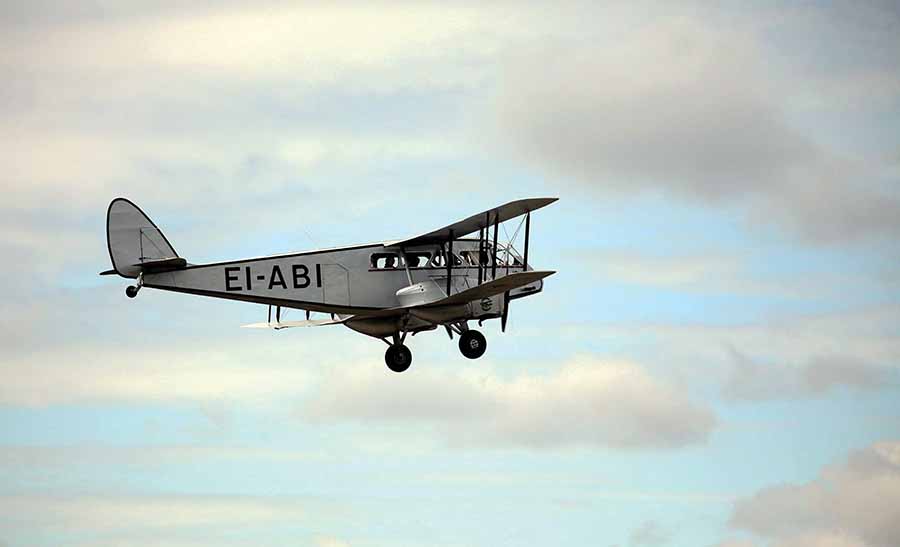
On May 27, 1936, following a religious service and blessing byIrish air crops chaplain William O’Riodan, the Irish Air Corps Chaplain, a small De Havilland Dragon aircraft named Iolar (Eagle) took off from the grass runway at Baldonnel Military Aerodrome near Dublin, heading to Bristol. The aircraft delivery flight had arrived later than expected the previous evening.
Passengers and bystanders boarded their buts to Baldonnell for their scheduled 9am flight. Upon landing, the passengers were greeted by the entire Aer Lingus staff at Baldonnel, just three people: Station Superintendent J. J. Hurley (a former commander of a cruiser in the Chinese customs service), his deputy M. J. Finnegan, and Booking Agent E. A. Rafter.
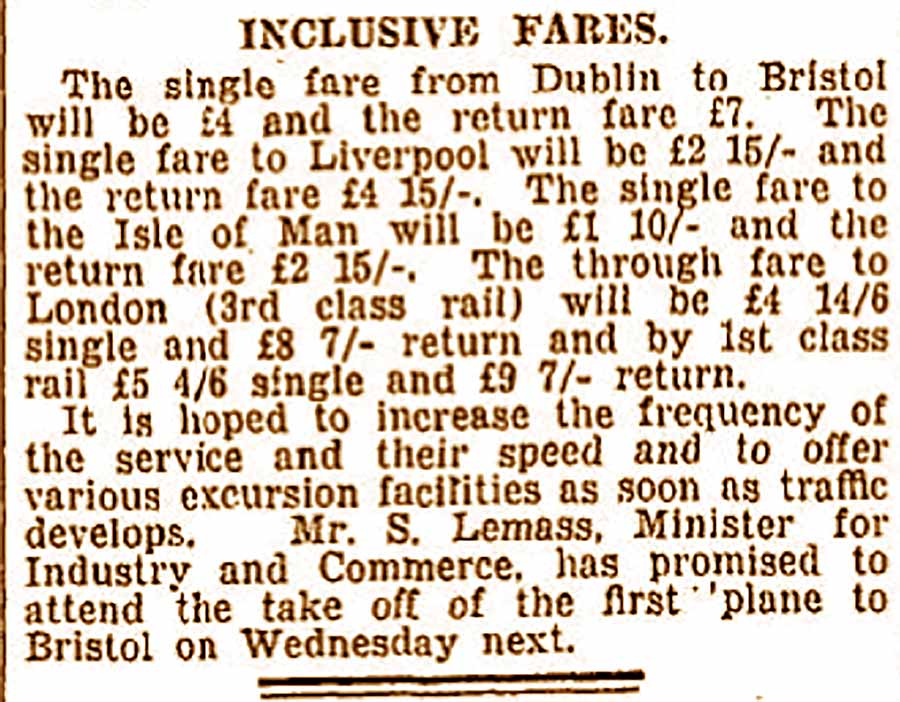
Tickets had been purchased just before departure. The return fare to Bristol was €7, the equivalent of €580 today. Return fare to Liverpool (introduced in September)n was £3/15/- and the through fare to London £4/14/6, through Liverpool.
The five passengers on the somewhat grandly designated Route No. 800 were: William Herbert Morton, Manager of the Great Southern Railway and a director of the airline, two paying passengers Henry Fitzherbert and his wife Sheelah (whose father, Joseph X Murphy TD, was a close friend of Morton), Tim O’Driscoll of the Department of Transport, and May Ó hUadhaigh nee Dixon, wife of the chairman of the airline, who held the historic Aer Lingus ticket number 1.
The flight was piloted by Captain Oliver Eric Armstrong, a Dubliner then working for Olley Air Services. The only cargo on board was a parcel of The Irish Times newspapers bound for London. Among the interested spectators was the celebrated writer, surgeon, aviator, and Senator Oliver St John Gogarty, who had himself crash-landed at Baldonnel in July 1933 after colliding with a flock of sheep. He famously quipped at the time: “When the principal aerodrome in the country is let as a sheep ranch, and at a time when there is not much sale for sheep, it is more than a foregone conclusion that in an accident one of them is killed.”
At Bristol, the passengers were warmly welcomed by a delegation that included Alderman A. A. Senington, Chairman of the Airport Committee, and F. Blunden, Bristol Manager for Blackpool and West Coast Air Services. W. H. Morton told a local reporter the crossing had been “calm and pleasant.”
Henry and Sheelah Fitzherbert disembarked in Bristol, while the remaining passengers returned on the incoming flight, arriving back at Baldonnel 35 minutes behind schedule at 15:05.
Aer Lingus had been founded just one month earlier with £100,000 in authorised capital, a staff of twelve, a single aircraft, and, it is said, a biscuit tin of spare parts.
By the end of its first full year of operations, the airline had carried 892 passengers, generated £4,697 in revenue, and recorded an operating loss of £5,147.
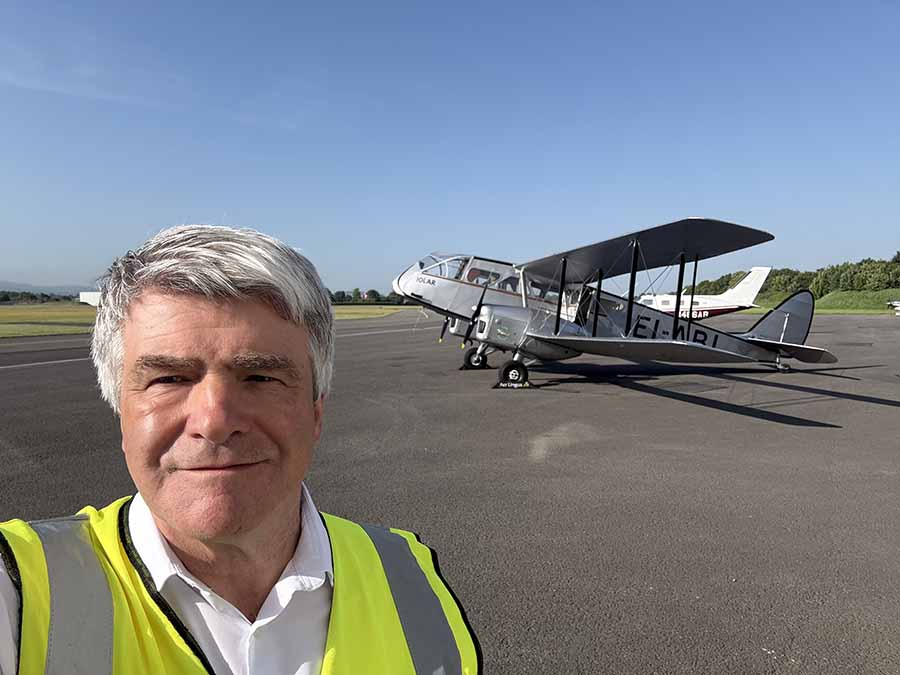
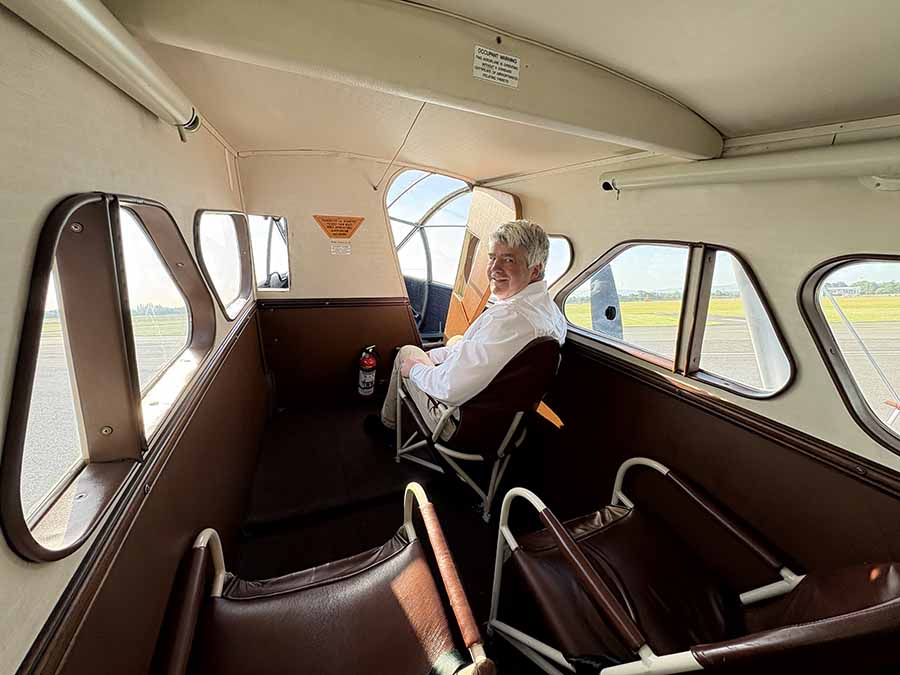
The original aircraft, a de Havilland DH.84 Dragon (registration EI-ABI), was sold by Aer Lingus to a British airline in 1938 and returned to England’s registry. It was subsequently shot down off the coast of Cornwall in 1940. A sister aircraft, the new Iolar, was gifted to Aer LIngus by former chief pilot Darby Kennedy for the fiftieth anniversary of the airline in 1986.
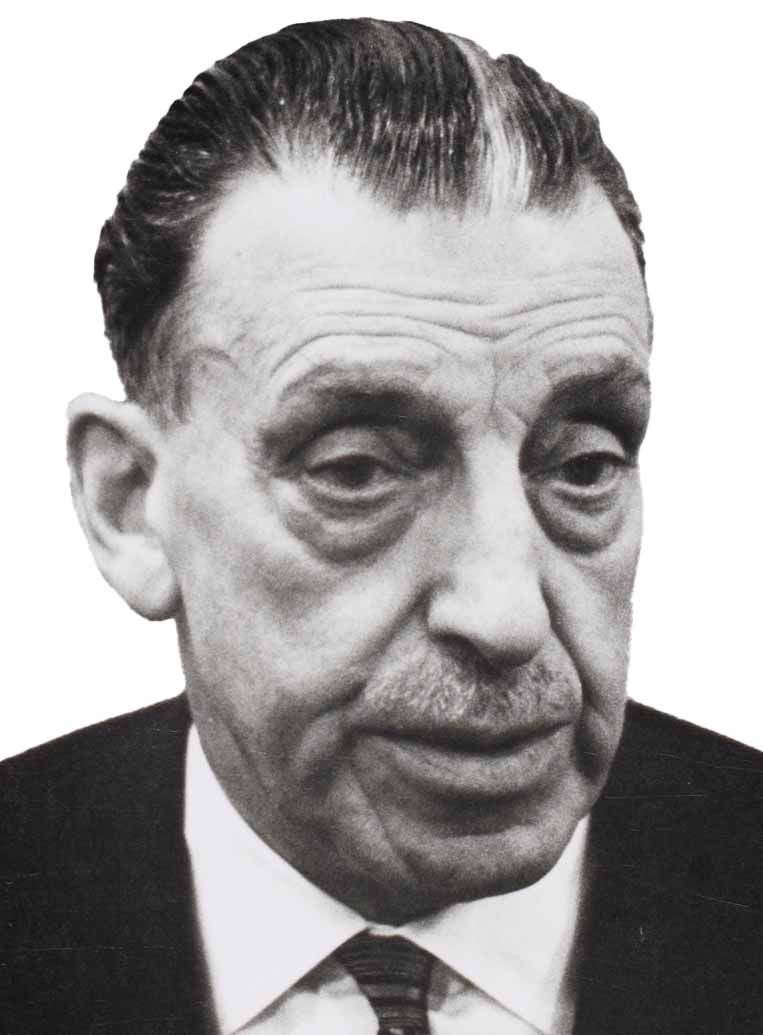
In a memo the following day, Aer Lingus chairman Sean O Huadhaigh shared: “The machine only left de Havilland’s ultimately at 7pm and did not land in Baldonnel until after dusk. Unfortunately the wireless set was defective from the receiving point of view and caused a good deal of trouble on the first run to Bristol. The only passengers who would be likely to talk about this were Mr Fitzherbert and Mrs Fitzherbert, she being the daughter of Mr Joseph X. Murphy who is a director of the Great Southern Railways Co. and of the Bank of Ireland. They were friends of Mr Morton, General Manager of the Great Southern Railways Co. who was also travelling in his capacity as one of our directors. I understand from Mrs Ó hUadhaigh however that they were quite pleased although they were fifty-five minutes late in arriving at Bristol, and of course lost their train to London. The other passengers on board with the exception of Mrs Ó hUadhaigh were not paying passengers, namely Mr Morton and Mr O’Driscoll. … They will not talk and the Press were crowded out which was just as well. Of course the Bristol newspapers knew about the late arrival, and I believe know why it occurred. The radio operators were aware of the fact that they could not get into communication with the machine. This morning there are no bookings outwards on either line, nor so far as I know tomorrow, but we could fill two machines on Saturday I understand to the iIsle of Man.