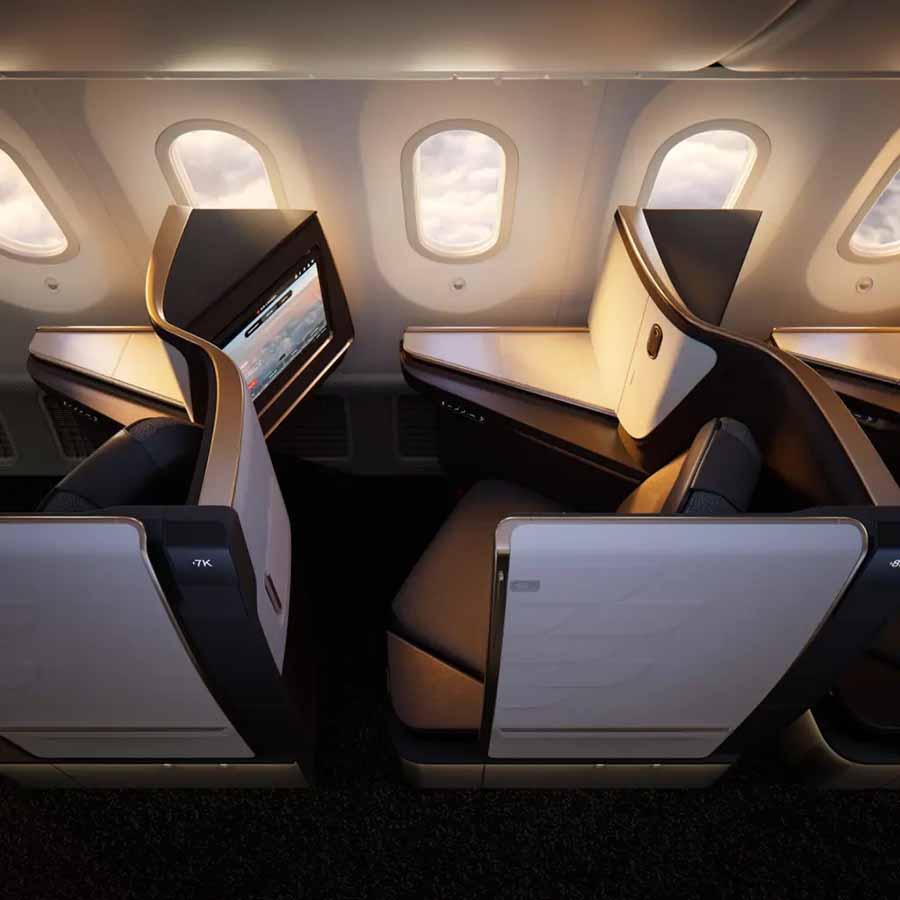
The Aircraft Interiors Expo 2026 concluded in Hamburg this week after a landmark 25th edition that brought together nearly 500 exhibitors, more than 192 airlines and over 13,000 attendees at the Hamburg Messe.
The event, widely regarded as the premier global platform for cabin innovation, showcased how the industry is converging around sustainability, digital transformation and enhanced passenger experiences while marking a quarter century of progress in aircraft interiors design and technology.
One of the strongest themes to emerge was the accelerating focus on sustainable materials and circular economy principles in cabin development. Exhibitors presented a wide range of eco friendly composites, recyclable textiles and innovative waste management solutions aimed at reducing weight, lowering carbon emissions and improving end of life recyclability. Research projects such as the DISKUS demonstrator highlighted futuristic concepts including suspended textile seats and redesigned air conditioning systems that promise significant reductions in material use and complexity.
Digitalisation and connectivity dominated many discussions and product launches, with a clear shift towards end to end connected cabin operations. Artificial intelligence applications are increasingly being integrated for dynamic pricing, crew assistance, personalised services and operational planning. In flight entertainment and connectivity providers announced major deployments, including Panasonic Avionics confirming that its Astrova system has entered service with Air Canada on Airbus A321 aircraft, with further rollouts planned across the airline’s fleet including new A220s and A321XLRs. Connectivity was positioned not merely as Wi Fi but as a platform for new revenue streams through personalised retail and data driven passenger experiences.
The newly introduced BizJet Interiors Zone proved popular, underscoring the growing crossover between commercial and business aviation in premium cabin design, materials, lighting and outfitting. This dedicated area brought together completions centres, original equipment manufacturers and specialist suppliers, reflecting rising demand for high end and VIP cabin solutions that often influence wider industry trends.
Accessibility, human centric design and space efficient innovations also featured prominently, with new seating concepts, improved cabin layouts and inclusive features designed to enhance comfort for all passengers. Major airframers such as Airbus used the platform to present unified cabin concepts including the Airspace brand across its fleet, alongside specific showcases like the A350 1000 First Class Master Suite.
Industry observers noted a strong emphasis on flexible, API driven platforms that allow airlines greater agility in upgrading interiors without legacy system constraints. In flight retail received particular attention for its evolution through better data analytics and personalisation to drive ancillary revenue. The Passenger Experience Conference held on 13 April set the tone with sessions on digital first experiences, sustainable travel and AI integration, while the Crystal Cabin Award ceremony celebrated visionary concepts from around the world.
Overall the show demonstrated a maturing industry ready to balance efficiency, environmental responsibility and premium passenger expectations as airlines prepare for fleet renewals and retrofits in the coming years. With strong attendance and a high volume of new product announcements, AIX 2026 reinforced Hamburg’s position as the global hub for cabin technology discussions and future oriented collaboration.