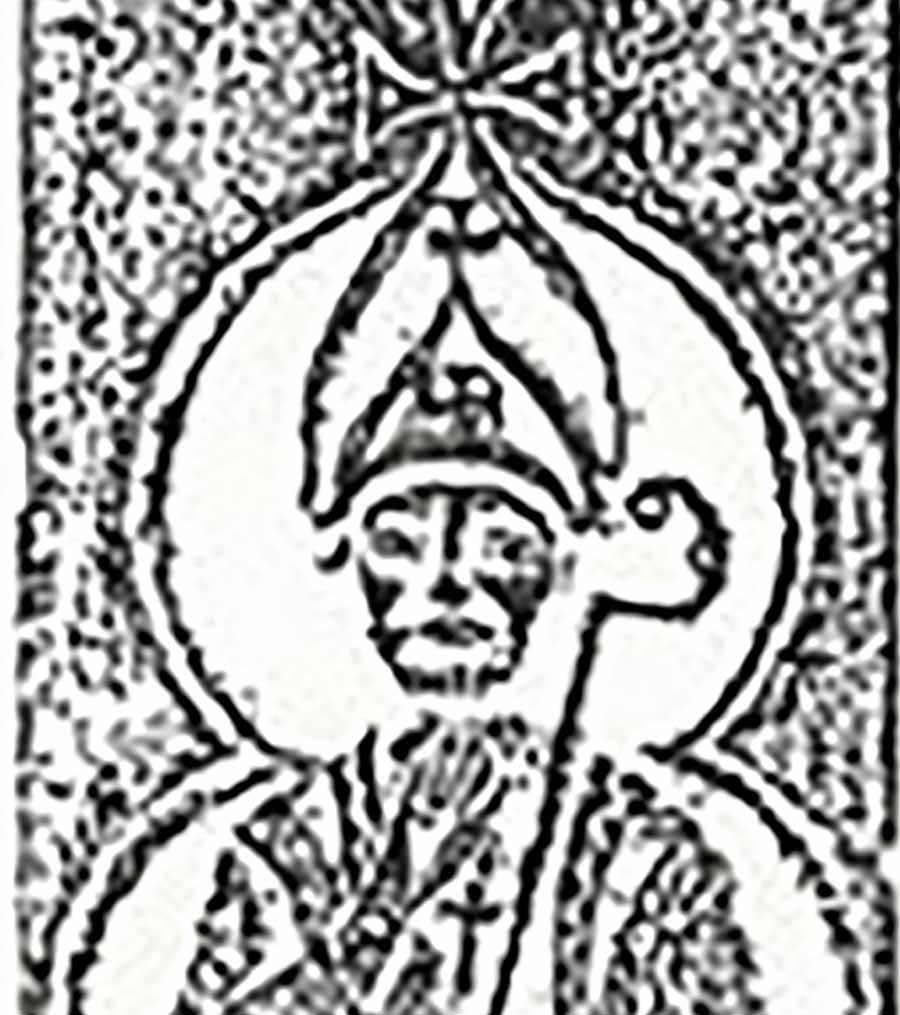
Saint Patrick (Padraig or Patricius) of Armagh (Ard Mhacha), has had dozens of placenames associated with him through the retelling of the core story written by him. It tells of but mentions just two place names. These associations began with Patrick’s own sparse account in the Confessio, expanded dramatically in the 7th-century Lives by Muirchú and Tírechán, expanded nationwide in the 9th-century Tripartite Life. Biographies written in the 12th century such as that by Jocelin, and the lives of regional saints were designed to fill geographical and narrative gaps. These extended Patrick’s mission, about which so little was documented, reflecting Armagh’s growing influence and the filling of narrative gaps to bolster ecclesiastical claims. From such unpromising beginnings an enormous body of literature has grown around Ireland’s patron saint.
- Bannavem Taberniae (or Taburniae) Patrick’s family village/origin place (likely near Boulogne-sur-Mer, France). Documented in Patrick’s own lifetime in the Confessio, Patrick’s autobiography. Later traditons trasnporte dit to north west England.
- Silva Focluti (Wood of Foclut; equated with Caille Fochladh in north Mayo or the area near Slemish, Co. Antrim). The only Irish place-name in Patrick’s writings; linked to his divine call to return. It was later referenced in Tírechán’s Life of Patrick.
- Armagh (Ard Mhacha): The principal church foundation and metropolitan see; self proclaimed heirs to Patrick’s mission. Later annals dated the foundation to 444; it is mentioned in Muirchú’s Life, where he gives a lengthy founding account, and in the ninth century Book of Armagh. Murchú was likely based in Armagh.
- Tara: Site of the famous paschal fire contest with druids at Easter; the symbolic royal centre of Ireland and spritial headquarters of the House of Niall, a branch of whom were patrons of Armagh. First mentioned in Muirchú’s Life, where several chapters are devoted to the episode, and probably invented by him.
- Saul (Sabhall): First church foundation in Ireland in a barn given by Diocha; scene of early preaching and return. Late 7th century. An invention in Muirchú’s life brining the focus of Patrick’s mission to south-east Ulster).
- Downpatrick (Dún Da Leathghlaise) Traditional burial place of Patrick, determined by oxen-drawn cart to resolve rival claim). The final section of Muirchú’s Life introduces the the oxen legend.
- Slemish (Co. Antrim area): Muirchú’s emphasis on south-east Ulster meant that this location of Patrick’s captivity/slaveryis preferred over Mayo for the unidentified silva Focluti in Patrick’s Confessio.
- Neamhthor (Nemthur) Birthplace or early home in later legendary genealogy. Mid- to late 9th century, first mentioned in the Tripartite Life with a hymn attributed to Fiac of Sleaty.
- Lough Derg (Loch Geirg; site of Patrick’s Purgatory on an island) : Patrick displaced Dobheóg her as the site of the famous Purgatory pilgrimage. c. 1140. First mentioned in 12th-century developments filling gaps in the Tripartite Life and secured in the Patrician tradition when Augustinian canons’ established a house there.
- Dublin: Sojourn and visit; recalled by wells and cathedral church (among “Norwegians”) in the 12th century. First mentioned in Leabhar na gCeart (Book of Rights) and Jocelin’s Vita Patricii (c. 1185).
- Croagh Patrick: Pilgrimage mountain associated with Patrick’s fasting and vision; A Christianised Lughnasadh site assocated with Patrick in later medieval tradition with an annual pilgrimage that endures to this day.
- St Patrick’s Well (near Clonmel, Munster): Marks a land grant from meeting with Deaglán of Ardmore in Munster, first recorded in the late 12th century Life of Deaglán, filing in some Munster details which were not in the Tripartite Life.