County Galway, on Ireland’s west coast, offers a rich blend of natural beauty, historic sites, and cultural treasures for travellers seeking a diverse experience. With its rugged coastline, serene lakes, and lively towns, this county provides a wealth of attractions to discover. From the wild landscapes of Connemara to the historic streets of Galway city, visitors can enjoy a mix of adventure and relaxation.
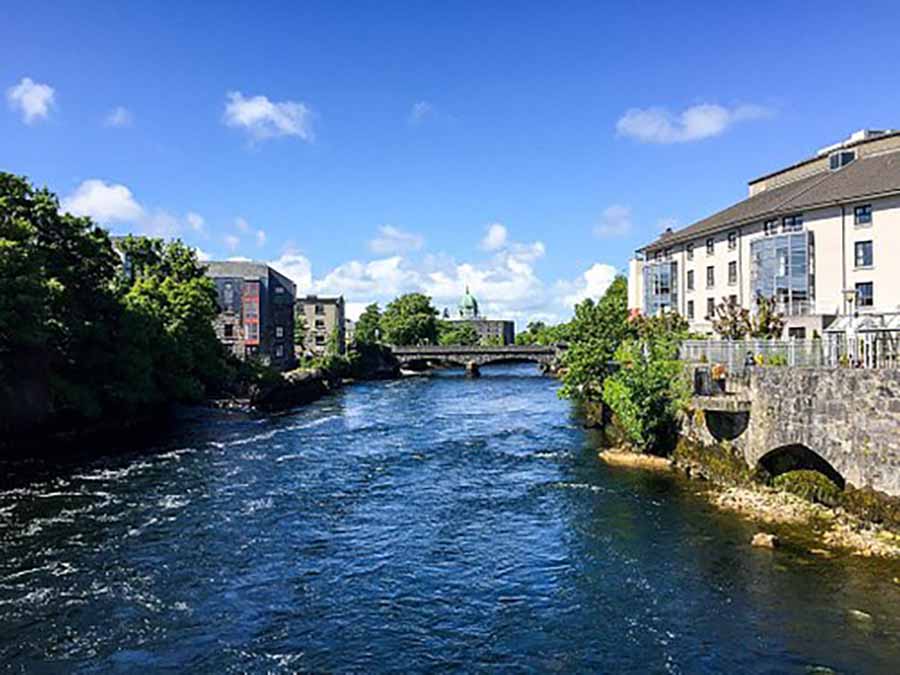
Galway city, a cultural hub, buzzes with life along its medieval streets. Visitors can wander Shop Street, lined with colourful pubs and buskers, or explore the Latin Quarter’s historic charm. The Galway Cathedral, with its green dome and intricate mosaics, offers a peaceful retreat, while the nearby Spanish Arch and River Corrib provide scenic spots for a leisurely stroll, blending history with a relaxed atmosphere.
Connemara National Park, spanning 2,957 hectares, showcases rugged mountains, bogs, and heathlands. Trails like the Diamond Hill loop offer panoramic views of the Twelve Bens and Kylemore Lough, with opportunities to spot Connemara ponies and red deer. The park’s visitor centre provides insights into its ecology, making it a rewarding stop for hikers and nature enthusiasts.
Kylemore Abbey, a 19th-century Gothic mansion set against a wooded hillside, is a highlight of Connemara. Visitors can tour the abbey’s restored rooms, explore its six-acre Victorian walled garden, and walk trails to a neo-Gothic church. The abbey’s tearoom serves homemade scones, and the serene lake views create a tranquil setting for a day out.
The Aran Islands, accessible by ferry from Rossaveal, offer a glimpse into traditional Irish life. Inis Mór, the largest island, features the ancient stone fort of Dún Aonghasa, perched on a 100-metre cliff. Visitors can cycle or walk the island’s lanes, explore thatched cottages, and enjoy fresh seafood at local pubs, soaking in the islands’ timeless atmosphere.
Clifden, a market town in Connemara, serves as a gateway to scenic drives like the Sky Road, a 11km loop with coastal views. Visitors can explore the town’s historic buildings, browse craft shops, or walk to Clifden Castle’s ruins, set in rolling fields. The town’s welcoming pubs and restaurants make it a perfect base for exploring the region.
The Burren, partially extending into Galway, is a unique limestone landscape dotted with wildflowers and ancient sites. Visitors can walk the Burren Way, passing megalithic tombs like Poulnabrone Dolmen, a 5,000-year-old portal tomb. Guided tours offer insights into the area’s geology and flora, while quiet trails appeal to those seeking solitude and natural beauty.
Lough Corrib, Ireland’s second-largest lake, offers opportunities for fishing, boating, and island exploration. Visitors can hire boats to visit Inchagoill Island, home to 5th-century monastic ruins, or enjoy a cruise from Oughterard. The lake’s serene waters and surrounding hills create a peaceful setting for outdoor enthusiasts and photographers.
Aughnanure Castle, a 16th-century tower house near Oughterard, stands by the River Drimneen. Managed by the Office of Public Works, it offers guided tours through its stone halls, revealing tales of the O’Flaherty clan. Visitors can explore the castle’s grounds, including a banquet hall ruin, and enjoy riverside walks in a tranquil setting.
Coole Park, near Gort, is a 400-hectare nature reserve once home to Lady Gregory, a key figure in Ireland’s literary revival. Visitors can walk trails through woodlands and lakes, spotting swans and deer, or visit the walled garden and the famous Autograph Tree, carved by literary giants. The visitor centre’s tearoom and exhibits add depth to the experience.
Roundstone, a coastal village in Connemara, offers a picturesque setting with views of the Twelve Bens. Visitors can browse local craft shops, including Roundstone Ceramics, or walk to Dogs Bay, a pristine white-sand beach. The village’s seafood restaurants and traditional music sessions create a warm, inviting atmosphere for a relaxed visit.
County Galway’s mix of coastal beauty, historic landmarks, and cultural experiences creates a rewarding destination. Whether strolling through lively city streets, hiking rugged trails, or exploring ancient islands, travellers will find plenty to enjoy in this inviting corner of Ireland.
County Galway:
Ireland’s county Galway offers a delightful mix of cultural heritage and coastal beauty, with Galway City’s Latin Quarter showcasing historic streets and traditional music venues. The Connemara National Park provides hiking trails through rugged mountains and bogs, while the Aran Islands offer ancient stone forts like Dún Aonghasa. Other favourite stop is ithe Kylemore Abbey’s Victorian gardens and coastal cliffs. Galway is Ireland’s second largest county by size (5,939 sq km) and fifth largest by population (277,737). Population peaked at 440,198 in 1841 and reached its lowest point, 148,340 in 1966. In terms of hospitality, Galway is Ireland’s third most visited tourist county with around 1,028,000 international visitors per year.
Introduction – Adventure – Anthem – Archaeology – Attractions – Awards – Birdwatching – Camping – Castles – Churches – Contact list – Cycling – Dining – Equestrian – Festivals – Fishing – Folklore – Gardens – Golf – Graveyards – Happening – Haunted – Highest – Hiking – History – Holy Wells – Hotels – Hotels8 – Instagrammable – Itineraries – Largest town – Luxury – MICE – Movies – Musicians – Name – New – Novelists – Off the beaten track – Poets – Pubs – Quotes – Random Facts – Restaurant Awards – Sacred Places – Saints – Spas – Sports – Sunsets– Sustainable – Things to do – Towns – Video – Villages – Walking – Wanderlist – Weddings – Wild swimming – Writers – 1837 – 1846 – 1852 – 1909 – 1955 – 1980 –
Things to do
Antrim – Armagh – Carlow – Cavan – Clare – Cork – Derry – Donegal – Down – Dublin – Fermanagh – Galway – Kerry – Kildare – Kilkenny – Laois – Leitrim – Limerick – Longford – Louth – Mayo – Meath – Monaghan – Offaly – Roscommon – Sligo – Tipperary – Tyrone – Waterford – Westmeath – Wexford – Wicklow