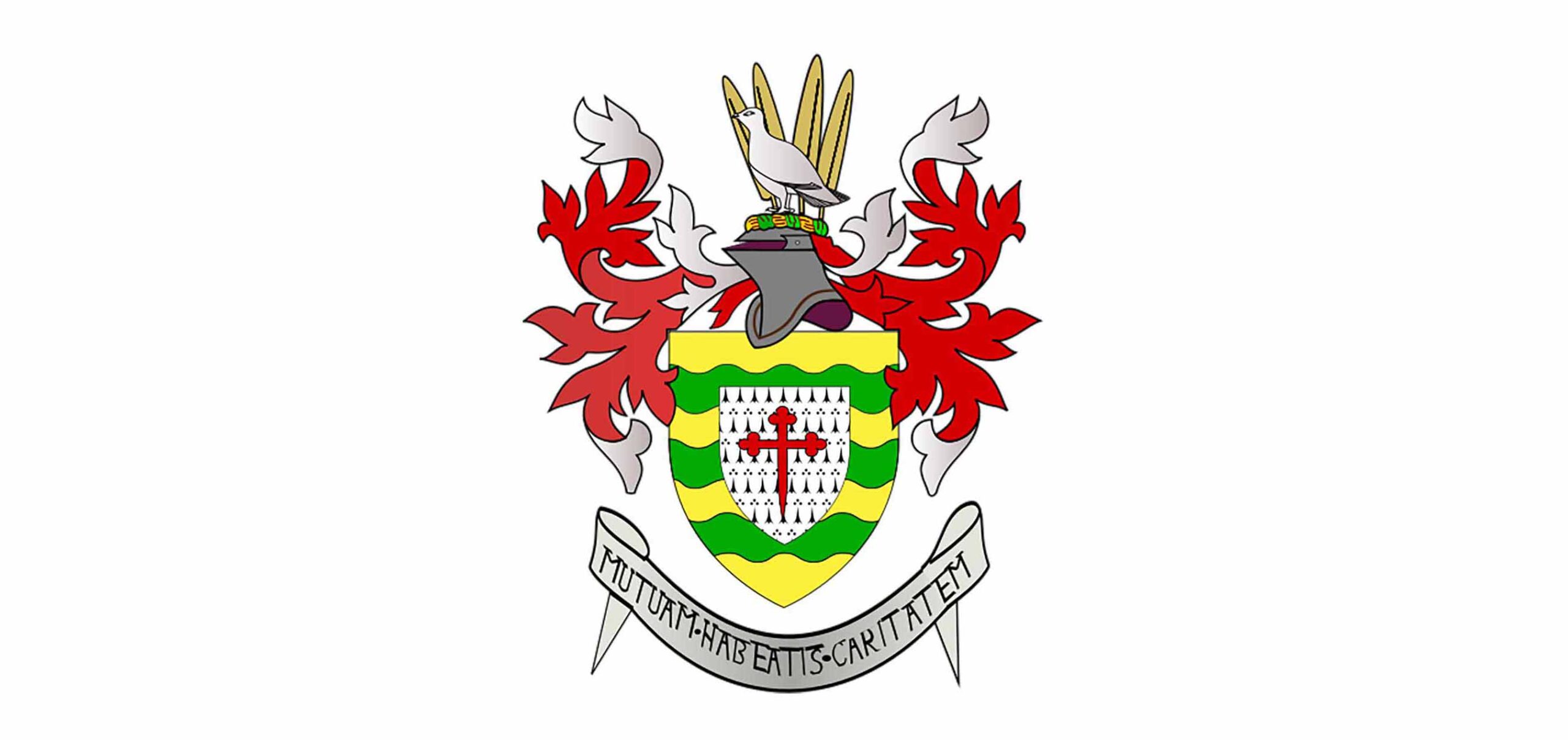
County Donegal, located in Ireland’s rugged northwest along the Wild Atlantic Way, offers visitors a blend of dramatic landscapes, rich cultural heritage, and vibrant local experiences. Known for its untamed beauty, Donegal features some of Ireland’s most spectacular scenery, from towering sea cliffs to pristine beaches and mountainous terrain. Donegal is Ireland’s fourth largest county by size (4,830 square km) and 13th largest by population (167,084). Population peaked at 296,448 in 1841 and reached its lowest point, 108,344 in 1971. In terms of hospitality, Donegal is also Ireland’s 13th most visited tourist county with around 199,000 international visitors per year.
Natural Wonders:
- Slieve League Cliffs: Among Europe’s highest sea cliffs at nearly 600m, these offer breathtaking views of Donegal Bay and the Sligo coastline. Visitors can hike the Pilgrim’s Path, take a shuttle from the visitor center, or enjoy boat tours from Teelin Pier for a sea-level perspective. The cliffs are a historic Christian pilgrimage site, adding cultural depth to the experience.
- Glenveagh National Park: Spanning 16,000 hectares, this park features mountains, lakes, valleys, and a large herd of red deer. Visitors can explore on foot or by bike, tour the beautifully restored Glenveagh Castle, and admire its meticulously planned gardens. The park’s Derryveagh Mountains provide a dramatic backdrop, ideal for hiking and wildlife spotting, including reintroduced golden eagles.
- Malin Head: Ireland’s northernmost point on the Inishowen Peninsula, offering stunning coastal views and a chance to see the Northern Lights under the right conditions. It’s a starting point for the Wild Atlantic Way, with biking and walking trails, though it can get busy in summer.
- Beaches: Donegal boasts over 1,134km of coastline with Blue Flag beaches like Narin-Portnoo, Malin Beg (Silver Strand), and Portsalon. These are perfect for swimming, surfing, or winter walks, with lifeguards present in summer at some locations.
- Errigal Mountain: The county’s tallest peak at 752m, offering a challenging yet rewarding hike with panoramic views of Dunlewey Lough and the Poisoned Glen. The narrow pass between its twin summits tests hikers’ nerve but rewards with unforgettable vistas.
Cultural and Historical Attractions:
- Donegal Castle: Located in Donegal Town, this 15th-century fortress built by Red Hugh O’Donnell was restored in the 1990s. Visitors can explore its furnished rooms, admire intricate stonework, and learn about its Gaelic and English history through guided tours. Free entry is available on Wednesdays with an OPW card.
- Grianán of Aileach: A 1700 BC stone ringfort on a hilltop, linked to the Tuatha de Danann, offering panoramic views of Lough Foyle and Lough Swilly. Its well-preserved structure and historical significance make it a must-visit.
- Glencolmcille Folk Village: Overlooking Glenbay Beach, this museum of thatched cottages offers a glimpse into Irish life from the 17th century onward. Visitors can explore a schoolhouse, fisherman’s cottage, and craft shop, with tea and homemade snacks available.
- Doagh Famine Village: This unique attraction in Inishowen provides guided tours through life-sized exhibits, showcasing Irish life from the 1840s Great Famine to today. It’s wheelchair-friendly, with a café offering bay views and free parking.
Unique Experiences:
- Wild Alpaca Way: A family-run experience in Malin Head where visitors can walk with alpacas through scenic hills, ideal for families and animal lovers.
- Wild Ireland: A 23-acre wildlife sanctuary in Burnfoot, home to rescued animals like brown bears, wolves, and lynx in an ancient woodland setting. It’s a family-friendly attraction focused on conservation, just 15 minutes from Derry.
- Ards Forest Park: A biodiverse park with woodlands, beaches, and trails, perfect for walks, horseback riding, or family picnics.
- Inishowen 100: A 160km scenic drive around the Inishowen Peninsula, featuring stops like Mamore Gap, Five Finger Strand, and Glenevin Waterfall. It’s a half-day adventure showcasing Donegal’s coastal beauty.
- Fanad Lighthouse: A historic lighthouse with a visitor center and coffee shop, offering stunning coastal views and guided tours. Staff are noted for their helpfulness, making it a welcoming stop.
- Gaeltacht Culture: Donegal is home to Ireland’s second-largest Irish-speaking area, the Gaeltacht. Visitors can immerse themselves in Irish language and traditions, particularly in areas like Gaoth Dobhair (Gweedore) and Árainn Mhór (Arranmore Island), which blends outdoor activities with vibrant nightlife.
Activities and Adventures:
- Hiking, cycling, and surfing are popular, with trails like the Blue Stack Way and beaches like Bundoran for water sports.
- Golf enthusiasts can visit renowned courses like Ballyliffin Golf Club or Portsalon Golf Club, a founding member of the Golf Union of Ireland.
- Boat tours, such as Sliabh Liag Boat Trips or Atlantic Coastal Cruises from Killybegs, offer opportunities to spot whales or dolphins.
What’s New for 2026 in Donegal
- Fort Dunree Funicular Railway: Ireland’s only funicular cable railway opened at Fort Dunree, providing a thrilling ascent to the High Fort. This €70m-funded project enhances access to the historic site, known for its stunning views and abundant wildlife, making it a major new attraction.
- Crolly Distillery Visitor Centre Expansion: The Crolly Distillery aims to double its visitor center attendance in 2026, offering enhanced whiskey-tasting experiences and tours in a scenic setting, capitalizing on Donegal’s growing reputation as a creative hub.
- Rewilding Initiative in Glenveagh National Park: A 1,000-hectare rewilding project has been launched, focusing on nature-first conservation. This ambitious initiative positions Donegal as a leader in environmental efforts, enhancing the park’s appeal for eco-conscious travelers.
- Donegal Copper Craft: Highlighted in 2024 but continuing into 2026, this attraction offers unique, custom-made copper artwork, adding a new artisan experience for visitors seeking authentic local crafts.
- Increased Recognition: Donegal’s inclusion in Lonely Planet’s Best Regions for 2024 continues to draw attention in 2026, with updated travel guides and itineraries emphasizing car-free exploration, such as coastal escapes in Fanad and Rathmullan or family-friendly trips to Letterkenny and Glenveagh.
Visitor Tips for 2026:
- Best Time to Visit: June or September for fewer crowds, decent weather, and lower costs compared to peak summer months (July-August).
- Accessibility: Many attractions, like Doagh Famine Village and Slieve League, offer wheelchair-friendly facilities or shuttles for those with limited mobility.
- Transport: Renting a car or campervan is recommended for flexibility, though tours via Viator or public transport options are available for car-free travel.
- Accommodation: Options range from coastal hideaways to luxury hotels like Lough Eske Castle, with camping pods and B&Bs for budget travelers. September to November offers the lowest hotel prices in Donegal Town.
Donegal in 2026 promises an unforgettable mix of natural splendor, cultural immersion, and new attractions, making it an ideal destination for adventurers, history buffs, and families alike.
Donegal:
Introduction – Adventure – Anthem – Archaeology – Attractions – Awards – Birdwatching – Camping – Castles – Churches – Contact list – Cycling – Dining – Equestrian – Festivals – Fishing – Folklore – Gardens – Golf – Graveyards – Happening – Haunted – Highest – Hiking – History – Holy Wells – Hotels – Hotels top 8 – Hunting & shooting – Instagrammable – Itineraries – Largest town – Luxury – MICE – Movies – Music – New – Name – Novelists – Off the beaten track – Poets – Pubs – Quotes – Random Facts – Restaurant Awards – Sacred Places – Saints – Songs – Spas – Sports – Sunsets – Sustainable – Things to do – Towns – Video – Villages – Walking – Wanderlist – Weddings – Wild swimming – Writers – 1837 – 1846 – 1852 – 1909 – 1955 – 1980 –
Destination Guide
Antrim – Armagh – Carlow – Cavan – Clare – Cork – Derry – Donegal – Down – Dublin – Fermanagh – Galway – Kerry – Kildare – Kilkenny – Laois – Leitrim – Limerick – Longford – Louth – Mayo – Meath – Monaghan – Offaly – Roscommon – Sligo – Tipperary – Tyrone – Waterford – Westmeath – Wexford – Wicklow