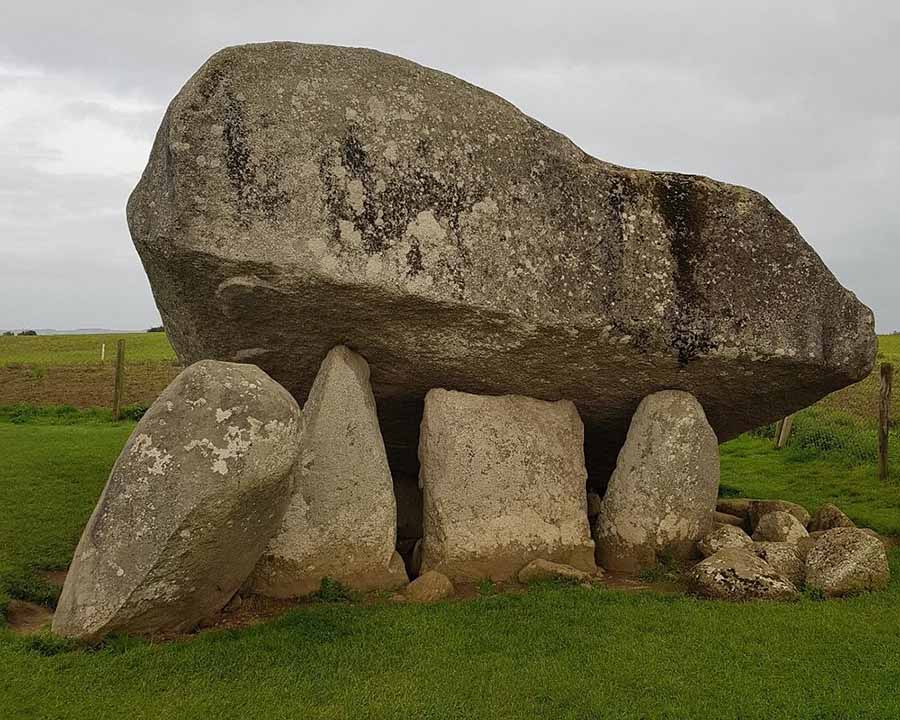
County Carlow, located in Ireland’s southeast within the province of Leinster, is a charming, compact destination known as the “Dolmen County” for its prehistoric Brownshill Dolmen. With a population of around 61,931 (2022 Census) and a rich tapestry of history, vibrant gardens, and the scenic River Barrow, Carlow offers a blend of cultural heritage, outdoor adventures, and a warm community spirit. Despite being Ireland’s second-smallest county, its central location, roughly 85 km from Dublin and 80 km from Waterford, makes it an ideal base for exploring Ireland’s Ancient East. In 2026, Carlow introduces new events and initiatives to enhance its tourism appeal, building on its reputation for natural beauty and cultural vibrancy.
Cultural and Historical Experiences
- Carlow Town, the County Seat: Carlow Town, with a population of 27,351 (2022 Census), is a vibrant hub on the River Barrow, blending historic charm with modern amenities. Key attractions include:
- Carlow County Museum: Located in the Cultural Quarter, this free museum spans four galleries with artifacts like a 340-million-year-old fossilized squid, a 19th-century carved pulpit from Carlow Cathedral, the gallows trapdoor from Carlow Gaol, and items linked to John Tyndall, who discovered the greenhouse effect. Guided tours, often led by knowledgeable locals like Dermot, bring history to life.
- Carlow Castle: A 13th-century ruin built by William Marshal (c. 1207–1213), once the capital of Ireland (1361–1374). Though damaged in 1814, its two towers and partial wall remain a striking landmark. Access is limited, but the site is viewable from nearby paths.
- Cathedral of the Assumption: This 1833 Gothic Revival cathedral, designed by Thomas Cobden, features intricate architecture and a historical display. Its romantic history and connection to a 7th-century monastery make it a must-visit.
- VISUAL Centre for Contemporary Art & The George Bernard Shaw Theatre: Opened in 2009 on Carlow College grounds, this €18 million venue hosts local and international art exhibitions, theater performances, music gigs, and workshops. It’s a cultural hotspot for all ages.
Historic Sites:
- Brownshill Dolmen: A 6,000-year-old megalithic portal tomb just 3 km east of Carlow Town, boasting Europe’s heaviest capstone at over 100 tonnes. A free, accessible site steeped in prehistoric mystery.
- Huntington Castle & Gardens: In Clonegal, this 1625 castle, still inhabited by the Durdin-Robertson family, offers guided tours of its art galleries, Egyptian Temple of Isis, and Yew Tree Walk, rumored to be haunted by monks. The serene grounds include ornamental ponds and an early water turbine house.
- Duckett’s Grove Walled Gardens: The ruins of a 19th-century Gothic Revival estate, once part of a 12,000-acre property, are surrounded by restored Georgian gardens with roses, peonies, and Irish apple varieties. Free guided tours are available weekends at 12:30 p.m. and 2:30 p.m.
- Ballymoon and Ballyloughan Castles: These 13th-century ruins near Bagenalstown are National Monuments. Ballymoon’s mysterious history and Ballyloughan’s twin-towered gatehouse offer a glimpse into medieval life, though access may require landowner permission.
- Old Leighlin Cathedral: A 12th-century Church of Ireland cathedral in Old Leighlin village, built on a 7th-century monastic site that once housed 1,500 monks. Its historical significance includes a 630 AD synod determining Easter’s date.
Cultural Events:
- Carlow Arts Festival (June): A vibrant event with local and international artists, featuring music, theater, and new works at VISUAL Carlow and across town.
- Pan Celtic Festival: A celebration of Celtic culture with music, dance, and competitions, held annually in Carlow Town, fostering community engagement.
- Cruinniú na nÓg (June): Ireland’s national day of free creativity for young people, featuring workshops like “The Big Dig” at Carlow County Museum, where kids aged 5–12 explore archaeology.
Historic Villages:
- Borris: A picturesque village under the Blackstairs Mountains, home to Borris House, a Georgian estate offering guided tours and an outdoor tearoom. Its traditional storefronts and riverside setting are charming.
- Leighlinbridge: Features the Black Castle (1181), one of Ireland’s earliest Norman fortresses, and the award-winning Arboretum Lifestyle and Garden Centre.
- St. Mullins: A serene village with a 7th-century monastery ruin and scenic River Barrow towpath, ideal for history buffs and walkers.
Natural Attractions
- River Barrow: Ireland’s second-longest river, with a 113 km towpath from Robertstown to St. Mullins, offers tranquil walks past Victorian locks and old mills. The Barrow Way is perfect for leisurely strolls or cycling, with grazing cattle and charming villages as a backdrop.
- Mount Leinster: The highest peak in the Blackstairs Mountains (794 m), offering hiking and hang-gliding with views over Carlow and Wexford. Scenic drives from Borris are also popular.
- Altamont Gardens: A 100-acre romantic garden near Tullow, ranked among Ireland’s top 10, with a lake, arboretum, Ice Age Glen, and bog garden. Open year-round, it’s a floral paradise.
- Delta Sensory Gardens: Near Carlow Town, this accessible, multi-sensory oasis features therapeutic plants and water features, perfect for relaxation.
- Oak Park Forest Park: A 50-hectare park near Carlow Town with walking trails, a playground, and exercise machines, ideal for families.
- Rathwood Forest Walk: Over 4 km of wooded trails near Tullow, with beech, oak, and spruce trees, plus wildlife like deer and foxes. The Molloy Loop Walk is a highlight.
Outdoor and Active Pursuits
- Hiking and Walking: The South Leinster Way (103.6 km from Kildavin to Carrick-on-Suir) offers stunning views for long-distance hikers, while shorter Barrow Way and looped walks cater to casual strollers.
- Canoeing and Kayaking: Go With the Flow River Adventures provides family-friendly canoe trips on the River Barrow, navigating weirs and rapids for a thrilling yet safe experience.
- Cycling: The River Barrow towpath and rural roads around Mount Leinster are cyclist-friendly, with rentals available in Carlow Town.
- Fishing: Rancho Reilly near Ballon offers Ireland’s newest fishing resort and wildlife park on 45 acres, perfect for anglers.
- Eco Tours: Blackstairs Eco Trails in Borris educates visitors about local birds, flora, and butterflies in the Blackstairs Mountains.
Food and Drink
- Local Cuisine: Carlow’s culinary scene highlights local produce, with dishes like scallion-based recipes reflecting its 19th-century nickname, the “Scallion Eaters.” Mullicháin Café in St. Mullins, set in an 18th-century canal storehouse, offers a scenic dining experience.
- Walsh Whiskey Distillery: On the Royal Oak estate, this distillery crafts award-winning Irishman and Writers’ Tears whiskeys using local barley and a 200-million-liter aquifer. Tours include tastings and a visit to the restored 1755 Holloden House.
- The Chocolate Garden of Ireland: Near the Carlow/Wicklow border, this attraction offers chocolate-making workshops, hot chocolate, and ice cream tastings, a hit with families.
- Dining: The Plum Tree Bistro at Woodford Dolmen Hotel and The Cellar Restaurant at Step House Hotel in Borris serve Irish and international cuisine using local artisan ingredients.
Accessibility and Sustainability
- Getting There: Carlow is 85 km from Dublin (1-hour drive or train via Irish Rail) and 80 km from Waterford. Dublin Airport (DUB) is the closest, with bus connections via Bus Éireann. Ferries from Rosslare (90 km) connect to Wales.
- Getting Around: A rental car is ideal for rural exploration, though buses serve Carlow Town, Bagenalstown, and Tullow. The River Barrow towpath is perfect for cycling or walking.
- Sustainability: Carlow promotes eco-friendly tourism through initiatives like the Carlow Garden Trail and biodiversity projects, such as grazing Old Irish Goats in greenspaces to enhance ecosystems.
What’s New for 2026 in County Carlow
- St. Patrick’s Day Parades (March 17, 2026): Carlow’s festive celebrations include parades in Carlow Town, Tullow, and Ballon. Carlow Town’s parade starts at 3 p.m. on Kennedy Avenue, featuring a sensory-friendly zone on Barrack Street. Tullow marks its 40th parade with colorful floats, music, and the Kirwan Academy of Irish Dance. Ballon’s parade, led by St. Patrick and a bagpiper, includes face painting and street entertainment from 2–4 p.m.
- Carlow Arts Festival (June 4–8, 2026): Held at VISUAL Carlow and across Carlow Town, this festival expands with new Irish premieres, international stars, and family-friendly events, reinforcing its status as a cultural highlight.
- Cruinniú na nÓg (June 7, 2026): This youth creativity day features 20 free events countywide, including “The Big Dig” archaeology workshops at Carlow County Museum for ages 5–12, with hourly sessions from 11 a.m. to 4 p.m. (booking required).
- Family Fun Run and Walk (June 7, 2026): Hosted at McGrath Park in Bagenalstown, this free event welcomes all ages with registration from 10:30 a.m. Participants receive T-shirts and treats, organized by Carlow Sports Partnership.
- Powerhouse South East Innovation Summit (June 19, 2026): A new event at South East Technological University (SETU) Carlow, aimed at entrepreneurs and students, offering workshops and networking to showcase Carlow’s innovation hub status.
- National Centre for Brewing and Distilling: Opened in 2026 at SETU Carlow, this facility enhances the county’s reputation as a craft beverage destination, complementing Walsh Whiskey and O’Hara’s Brewery. Visitors may access educational tours or tastings.
- Tullow Road Multi-functional Community Hub: Construction began in 2026 with Duggan Lynch Ltd, creating a new community space in Carlow Town to host events and activities, enhancing visitor experiences.
- Belfast TradFest Bursary (July 28–August 1, 2026): A new opportunity for young Carlow musicians (aged 18–23) to attend a fully funded week at Belfast TradFest Summer School, fostering cultural exchange.
- Shop Local, Shop Carlow Campaign: Launched in 2026 by Carlow County Council and partners, this initiative promotes local businesses and tourism, encouraging visitors to explore markets and artisan producers.
- Heritage Funding: Five projects received €46,284 in 2026 under the Heritage Council’s Community Heritage Grant Scheme, supporting preservation efforts at sites like Carlow Castle and local museums, enhancing historical tourism.
Practical Tips for Visitors
- Best Time to Visit: March for St. Patrick’s Day parades, June for the Arts Festival and Cruinniú na nÓg, or September for quieter visits and autumn colors. Summer (June–August) offers mild weather (15–20°C), while winter (December–February) is wet but ideal for cozy pub visits.
- Accommodation: Book early for festivals, especially St. Patrick’s Day and June events. Options include the Step House Hotel in Borris (4-star, Georgian charm), Woodford Dolmen Hotel (with spa and lake views), or Kilgraney Country House for B&B packages. BaseGlamp in Borris offers deluxe pods with countryside views.
- Local Cuisine: Enjoy local whiskeys at Walsh Distillery, chocolates at The Chocolate Garden, or meals at Mullicháin Café or The Cellar Restaurant. Farmers’ markets in Carlow Town and Borris offer fresh produce.
- Safety: Carlow is safe, with low crime rates. Exercise caution on rural roads and bring waterproof gear for frequent rain (10–15 days per month).
- Language: English is universal, with the Irish language used in some cultural settings. The county’s name, Ceatharlach, derives from “place of cattle,” reflecting its pastoral heritage.
County Carlow in 2026 is a hidden gem in Ireland’s Ancient East, offering historic sites like Brownshill Dolmen and Carlow Castle, lush gardens like Altamont and Duckett’s Grove, and outdoor adventures along the River Barrow and Mount Leinster. Cultural highlights include the Carlow Arts Festival and vibrant St. Patrick’s Day parades. New for 2026, visitors can enjoy the National Centre for Brewing and Distilling, the Powerhouse Innovation Summit, and family-friendly events like the Family Fun Run and “The Big Dig.” With its central location, sustainable initiatives, and warm hospitality, Carlow is perfect for history buffs, nature lovers, and families seeking an authentic Irish experience.
Carlow:
Introduction – 1837 – Adventure – Anthem – Archaeology – Attractions – Awards – Birdwatching – Castles – Churches – Contact list – Cycling – Dining – Equestrian – Festivals – Fishing – Folklore – Golf – Graveyards – Happening – Haunted – Highest – Hiking – History – Holy Wells –Hotels – Hotels8 – Instagrammable – Itineraries – Largest town – Luxury – MICE – Movies – Musicians – Name – Novelists – Off the beaten track – Poets – Pubs – Quotes – Random Facts – Restaurant Awards – Saints – Spas – Sports – Sunsets – Sustainable – Things to do – Towns – Video – Villages – Walking – Wanderlist – Weddings – Wild swimming – Writers
Destination Guide
Antrim – Armagh – Carlow – Cavan – Clare – Cork – Derry – Donegal – Down – Dublin – Fermanagh – Galway – Kerry – Kildare – Kilkenny – Laois – Leitrim – Limerick – Longford – Louth – Mayo – Meath – Monaghan – Offaly – Roscommon – Sligo – Tipperary – Tyrone – Waterford – Westmeath – Wexford – Wicklow