- Fanore Beach: A 300m-long golden sandy beach in the Burren region, Fanore is a Blue Flag beach known for its dramatic limestone backdrop and extensive sand dunes. It’s a quieter spot compared to busier Clare beaches, popular with swimmers, surfers, and walkers. The beach faces the Atlantic, with views of Galway Bay and the Aran Islands. Stunning views of the Burren’s karst landscape, sand dunes, and Galway Bay. Easily accessible via the R477 from Doolin or Ballyvaughan. Parking and toilets are available near the beach. Suitable for all levels, with shallow areas for beginners and deeper waters further out. Atlantic waves can be choppy, so check conditions. Ideal for a refreshing dip or snorkeling in rock pools. Toilets, parking, and a small shop nearby. Lifeguards are present in summer. Excellent water quality (Clare County Council, 2020). Be cautious of rip currents and avoid swimming alone. Bring water shoes for rocky areas and explore the nearby Burren trails post-swim.
- Kilkee Beach (Pollock Holes): Kilkee’s crescent-shaped, golden sandy beach is protected by Duggerna Reef, creating calm conditions for swimming. The Pollock Holes, three large natural rock pools at the west end of the beach, are among Ireland’s best free swimming spots, filling with clear Atlantic water at low tide. Picturesque bay with cliffs and Victorian-era charm, backed by Kilkee town. Reachable via the N67 from Ennis or the Shannon Ferry from Kerry. Follow the cliff walk to the Pollock Holes. Parking is available in town. The rock pools are ideal for safe, sheltered swimming, perfect for families and snorkelers. The nearby “Newfoundout” diving boards (up to 13m) offer an adrenaline rush for experienced swimmers. Toilets, parking, and accommodation in Kilkee. Lifeguards in summer. Excellent water quality, but time your swim for low tide to access the pools. Check for strong currents near the open sea. Walk the cliff path for views of Loop Head and bring snorkeling gear for the pools.
- Lough Derg (Mountshannon): Lough Derg, one of Ireland’s largest freshwater lakes, is a Blueway with sparkling waters cradled by sandstone hills. Mountshannon’s Blue Flag beach and marina offer a serene spot for wild swimming, surrounded by the Lough Derg Nature Trail’s wildlife and greenery. Tranquil lake views with hills and mountains, ideal for a peaceful swim. Located in the 18th-century village of Mountshannon, accessible via the R352 from Ennis. Parking is available near the marina. Shallow entry points make it beginner-friendly, with deeper areas for confident swimmers. The calm, warm freshwater is refreshing. Toilets, parking, and nearby cafes like The Snug for post-swim pizza and tapas. No lifeguards. Excellent water quality, but check for algae blooms in warmer months. Swim near the shore for safety. Combine swimming with birdwatching or a walk on the Lough Derg Nature Trail.
- Lough Derg (Ballycuggeran): Another gem on Lough Derg, Ballycuggeran is a freshwater beach near Killaloe with a grassy area and shallow entry, perfect for wild swimming. It’s less crowded than Mountshannon but equally scenic, with views of the lake’s rolling hills. Lush, green surroundings with serene lake views, ideal for a calming dip. Reachable via the R463 from Killaloe. Limited parking is available near the beach. Shallow waters suit families and beginners, with deeper areas for stronger swimmers. The freshwater is warmer than the sea, making it inviting. Minimal; bring your own supplies. No lifeguards. Good water quality, but monitor for algae warnings. Avoid swimming after heavy rain due to runoff. Pair your swim with a visit to nearby Killaloe for dining or a boat tour.
- Lahinch Beach: A sandy, crescent-shaped Blue Flag beach in Liscannor Bay, Lahinch is a lively spot known for surfing and swimming. Facing the Atlantic, it offers stunning coastal views and a bustling promenade, making it a favorite for families and adventure seekers. Vibrant beach with Atlantic waves and views of the Clare coastline. Located 29km from Ennis via the N85. Ample parking, toilets, and shops are available in Lahinch town. Suitable for all levels, with shallow areas for paddling and deeper waters for strong swimmers. Waves can be strong, ideal for surfers or adventurous swimmers. Toilets, parking, cafes, and hotels along the promenade. Lifeguards in summer. Excellent water quality, but beware of rip currents and check tide times. Enjoy a post-swim stroll on the promenade or catch a sunset for a memorable experience.
- Spanish Point (White Strand): A quaint, sandy beach near Miltown Malbay, White Strand at Spanish Point is named after the Spanish Armada ships wrecked nearby. It’s a smaller, less crowded spot with a rocky shoreline, offering a peaceful setting for wild swimming. Intimate beach with rocky outcrops and views of the Atlantic and Burren. Reachable via the N67 from Miltown Malbay. Limited parking is available near the beach. Best for confident swimmers due to occasional strong currents. Swim from the designated safe area of the beach. Rock pools add exploration options. Limited; nearby Miltown Malbay has cafes and pubs. Lifeguards in summer. Good water quality, but currents can be dangerous, stick to recommended areas and check conditions. Visit nearby Kerin’s Hole via the cliff walk for a unique, locals-favored swim spot, but access requires caution.
- Blue Flag Beaches: Clare boasts nine Blue Flag beaches, including Fanore, Kilkee, Lahinch, and Mountshannon, ensuring high water quality and safety standards
Clare’s Atlantic coast can have strong currents and rough seas, while Lough Derg may experience algae blooms. Check tide times, weather, and water quality reports (available via Clare County Council or apps like Tides Near Me). Swim with a buddy and avoid isolated swims. Bring water shoes for rocky shores, a tow float for visibility, and a changing robe for warmth, as waters can be cold (especially Atlantic sites). Snorkeling gear is great for rock pools like Pollock Holes.
Follow Leave No Trace principles to protect Clare’s ecosystems, especially in the Burren and Lough Derg. Avoid littering and stick to paths to preserve dunes and wildlife. Amenities vary, Fanore and Lahinch offer more facilities, while Ballycuggeran and Spanish Point are more remote. Bring water, snacks, and sun protection. Nearby towns like Doolin, Kilkee, or Killaloe have dining options.
Mountshannon and Ballycuggeran are beginner-friendly due to calm, shallow waters. Fanore, Lahinch, and Kilkee suit all levels, while Spanish Point and deeper areas of Lough Derg require confidence due to currents or depth.
County Clare:
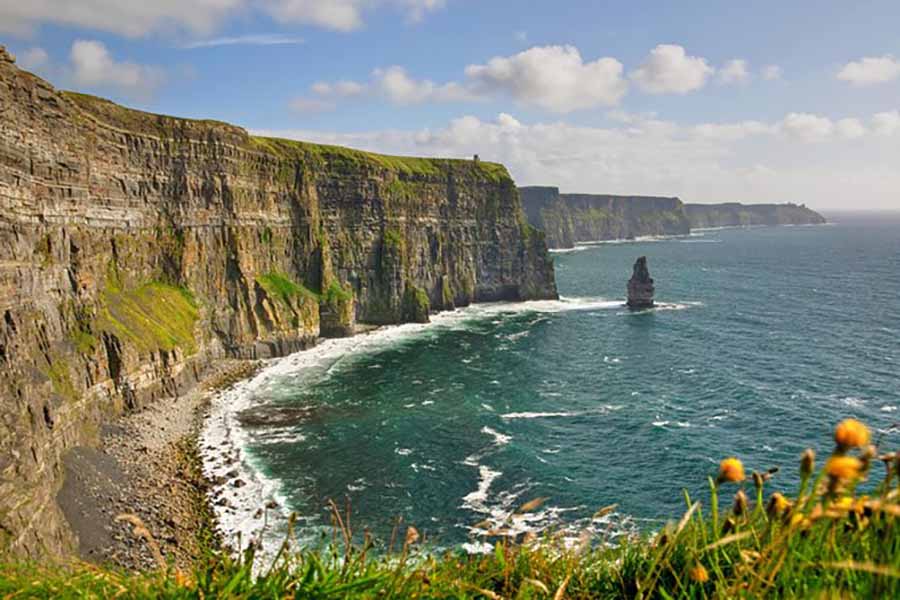
Ireland’s county Clare is renowned for its dramatic cliffs and traditional heritage, with the Cliffs of Moher offering breathtaking views over the Atlantic. The Burren’s unique limestone landscape provides hiking and rare flora, while Bunratty Castle offers medieval history with its restored interiors. Check out the traditional music scene in Doolin and the county’s coastal beaches. Clare is Ireland’s eighth largest county by size (3,188 square km) and 19th largest by population (127,938). Population peaked at 286,394 in 1841 and reached its lowest point, 73,597 in 1966. In terms of hospitality, Clare is Ireland’s sixth most visited tourist county with around 485,000 international visitors per year.
Introduction – Adventure – Anthem – Archaeology – Attractions – Awards – Birdwatching – Camping – Castles – Churches – Contact list – Cycling – Dining – Equestrian – Festivals – Fishing – Folklore – Gardens – Golf – Graveyards – Happening – Haunted – Highest – Hiking – History – Holy Wells – Hotels – Hotels8 – Instagrammable – Itineraries – Largest town – Luxury – MICE – Movies – Musicians – New – Name – Novelists – Off the beaten track – Poets – Pubs – Quotes – Random Facts – Restaurant Awards – Sacred Places – Saints – Spas – Sports – Sunsets– Sustainable – Things to do – Towns – Video – Villages – Walking – Wanderlist – Weddings – Wild swimming – Writers – 1837– 1846 – 1852 – 1909 – 1955 – 1980 –
Wild swimming
Antrim – Armagh – Carlow – Cavan – Clare – Cork – Derry – Donegal – Down – Dublin – Fermanagh – Galway – Kerry – Kildare – Kilkenny – Laois – Leitrim – Limerick – Longford – Louth – Mayo – Meath – Monaghan – Offaly – Roscommon – Sligo – Tipperary – Tyrone – Waterford – Westmeath – Wexford – Wicklow