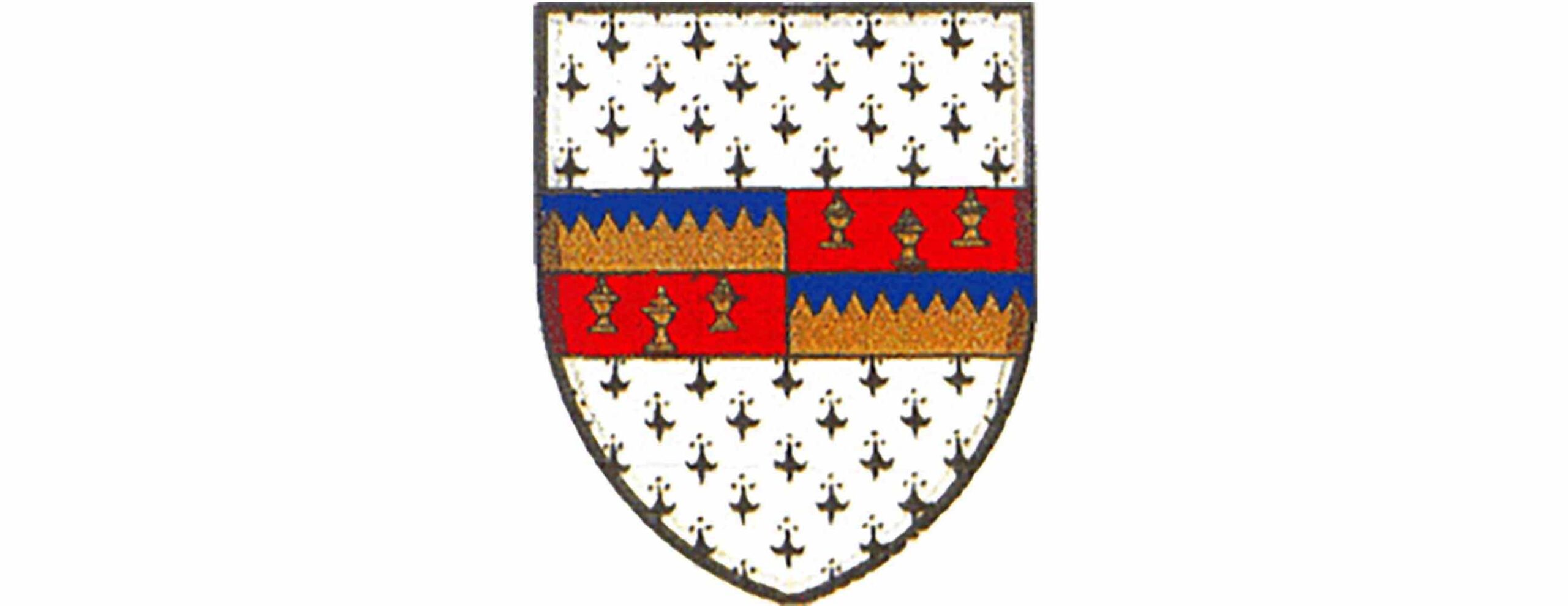
- Lough Derg (Ballina): Lough Derg, Ireland’s third-largest lake, straddles Counties Tipperary, Clare, and Galway. The Tipperary side, particularly near Ballina, offers clear, sparkling waters and a Blue Flag beach at the Riverside Park, making it a prime spot for wild swimming. Scenic lake views with sandstone hills, lush greenery, and the historic twin towns of Ballina (Tipperary) and Killaloe (Clare). Off the R494 in Ballina, 30km from Nenagh. Parking at Riverside Park or nearby public areas, with easy access to the beach. Shallow, calm waters at the Blue Flag beach suit beginners and families, with deeper areas for confident swimmers. Warmer than coastal waters, ideal for relaxed dips. Parking, toilets, picnic areas, and playgrounds at Riverside Park. Ballina and Killaloe have cafes, pubs, and restaurants. No lifeguards. Excellent water quality (Blue Flag status, 2020). Check for algae blooms in summer (Tipperary County Council advisories). Swim near the shore. Pair with a boat tour from Killaloe or cycle the Lough Derg Blueway.
- River Suir (Clonmel): The River Suir, flowing gently through Tipperary, is a tranquil spot for wild swimming, particularly near Clonmel, where calm pools and grassy banks provide accessible entry points. The river is surrounded by verdant countryside. Lush riverbanks, rolling farmlands, and views of the Comeragh Mountains. Off the N24 in Clonmel. Parking in town or near riverside walks (e.g., Suir Blueway). Access via public paths or grassy banks. Shallow areas suit beginners, while deeper pools are ideal for experienced swimmers. The river’s gentle flow is inviting but can strengthen after rain. Limited at swim spots; Clonmel offers parking, shops, cafes, and pubs. No lifeguards. Good water quality, but check for runoff after heavy rain (Tipperary County Council). Swim with a buddy due to potential currents. Explore the Suir Blueway for kayaking or visit Clonmel’s historic sites like the Main Guard.
- River Suir (Carrick-on-Suir): Further downstream, the River Suir near Carrick-on-Suir offers another peaceful wild swimming spot, with calm, wide sections of the river surrounded by picturesque towns and countryside. Gentle river views, historic Carrick-on-Suir town, and distant Slievenamon Mountain. Off the N24 or R676 in Carrick-on-Suir. Parking near the town’s riverside paths or Sean Kelly Square, with access via grassy banks. Wide, slow-moving waters suit all levels, with shallow areas for paddling and deeper pools for swimming. Suitable for leisurely dips. Limited at swim spots; Carrick-on-Suir has parking, cafes, and pubs. No lifeguards. Good water quality, but monitor for agricultural runoff after rain. Avoid swimming alone. Visit Ormond Castle or cycle the Suir Blueway for a full day out.
The River Suir can have unpredictable currents, especially after rain, and Lough Derg may experience algae blooms in summer. Check water quality reports (Tipperary County Council), weather, and tide times for Lough Derg (e.g., Tides Near Me app). Swim with a buddy, use a tow float for visibility, and avoid isolated swims without local knowledge. Bring water shoes for rocky or muddy riverbeds, a wetsuit or rash vest for warmth (especially in Lough Derg), and a changing robe. Towels, snacks, and sun protection are essential due to limited facilities.
Follow Leave No Trace principles to protect Tipperary’s waterways, particularly along the Suir Blueway and Lough Derg’s sensitive ecosystems. Avoid littering and stick to designated paths. Amenities are minimal at swimming sites. Bring water, snacks, and supplies. Ballina, Clonmel, and Carrick-on-Suir offer nearby dining, including pubs and cafes for post-swim meals.
All listed spots have shallow areas suitable for beginners, but deeper sections and potential currents in the Suir require confidence. Lough Derg’s Blue Flag beach is the most family-friendly.
Tipperary is landlocked, so wild swimming is confined to rivers and lakes. For sea swimming, consider nearby Waterford (e.g., Dunmore East) or Clare (e.g., Kilkee).
County Tipperary:
Ireland’s county Tipperary offers a mix of historic landmarks and lush countryside, with the Rock of Cashel’s medieval fortress and cathedral providing a stunning hilltop vista. Cahir Castle, one of Ireland’s best-preserved castles, offers historical insights, while the Glen of Aherlow’s walking trails showcase scenic valleys. Other attractions include the historic town of Clonmel and its markets. Tipperary is Ireland’s sixth largest county by size (4,254 square km) and 12th largest by population (167,895). Population peaked at 435,553 in 1841 and reached its lowest point, 122,812 in 1966. In terms of hospitality, Tipperary is Ireland’s 14th most visited tourist county with around 168,000 international visitors per year.
Introduction – Adventure] – Anthem – Archaeology – Attractions – Awards – Birdwatching – Camping – Castles – Churches – Contact list – Cycling – Dining – Equestrian – Festivals – Fishing – Folklore – Gardens – Golf – Graveyards – Happening – Haunted – Highest – Hiking – History – Holy Wells – Hotels – Hotels8 – Instagrammable – Itineraries – Largest town – Luxury – MICE – Movies – Musicians – Name – New – Novelists – Off the beaten track – Poets – Pubs – Quotes – Random Facts – Restaurant Awards – Sacred Places – Saints – Spas – Sports – Sunsets– Sustainable – Things to do – Towns – Video – Villages – Walking – Wanderlist – Weddings – Wild swimming – Writers – 1837 – 1846– 1852 – 1909 – 1955 – 1980 –
Wild swimming
Antrim – Armagh – Carlow – Cavan – Clare – Cork – Derry – Donegal – Down – Dublin – Fermanagh – Galway – Kerry – Kildare – Kilkenny – Laois – Leitrim – Limerick – Longford – Louth – Mayo – Meath – Monaghan – Offaly – Roscommon – Sligo – Tipperary – Tyrone – Waterford – Westmeath – Wexford – Wicklow