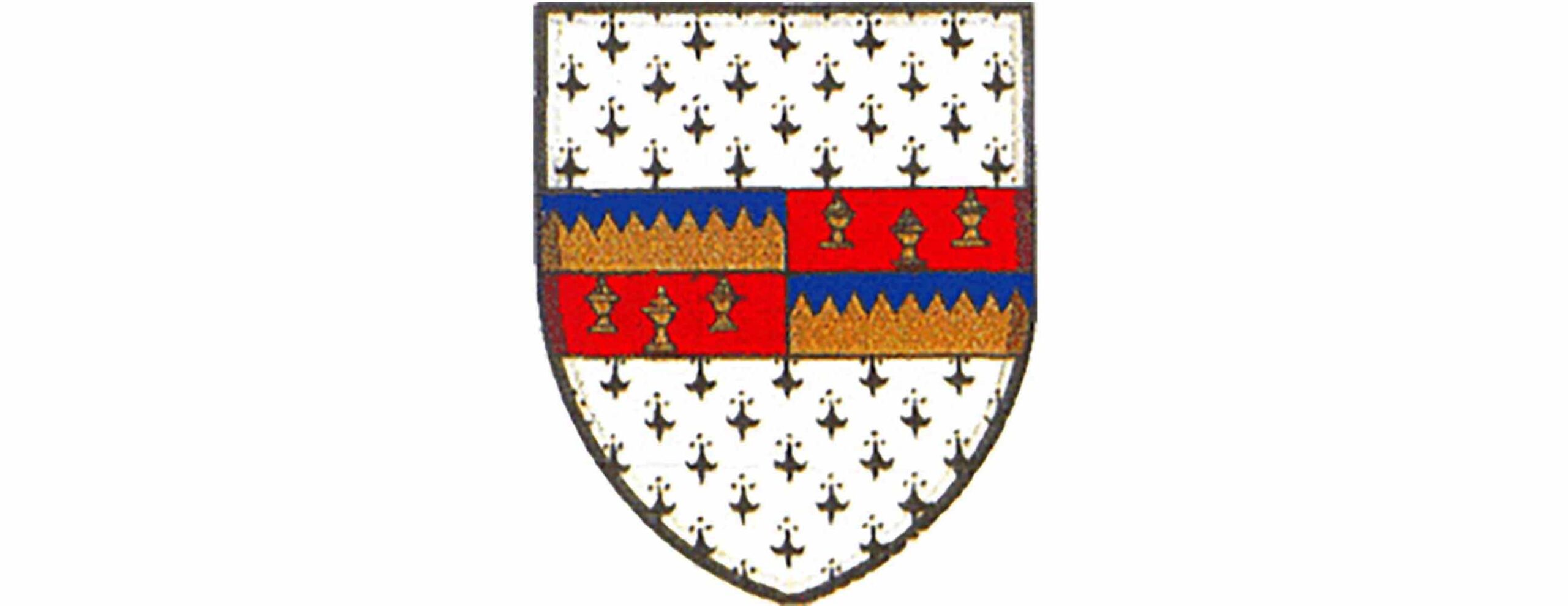
County Tipperary, located in Ireland’s midlands, offers diverse birdwatching opportunities due to its mix of lakelands, rivers, wetlands, bogs, woodlands, and uplands, including the Galtee Mountains and Slievefelim Hills. While not as renowned as coastal counties, Tipperary’s habitats, particularly Lough Derg and the River Shannon, support a variety of resident and migratory bird species, including waterfowl, waders, and woodland birds.
Lough Derg (Northeast Tipperary, near Portumna, Nenagh, and Dromineer)
- Whooper Swan: Winter visitor, seen in flocks on the lake, November–March.
- Wigeon, Teal, Mallard, Pochard, Tufted Duck, Goldeneye: Common wintering ducks in open waters.
- Great Crested Grebe, Little Grebe: Resident, breeding on the lake, visible year-round.
- Little Egret, Grey Heron: Common along lake shores and reedbeds.
- Kingfisher: Resident, spotted in quieter bays and along feeder streams.
- White-tailed Eagle: Reintroduced, occasionally seen soaring over the lake, especially near Portumna.
- Lapwing, Snipe: Waders in lakeside marshes and wet grasslands, best in winter. Lough Derg, part of the River Shannon system and a Special Protection Area (SPA), is a major site for wintering waterfowl. Viewing points near Dromineer, Nenagh, and Portumna (e.g., Portumna Forest Park) offer access to shores and wetlands. Winter (November–March) is peak season for migratory waterfowl, with spring and summer good for breeding grebes and Kingfishers. Boat trips from Dromineer enhance sightings of eagles and waterfowl.
River Shannon and Little Brosna Callows (Near Banagher and Birr)
- Corncrake: Rare summer visitor, occasionally heard in wet grasslands, April–August.
- Whooper Swan, Greylag Goose: Winter visitors, seen in flooded callows, November–March.
- Wigeon, Teal, Pintail: Wintering ducks in wet meadows and river channels.
- Lapwing, Golden Plover, Curlew: Waders in flooded grasslands, best in winter.
- Snipe, Jack Snipe: Skulking waders in marshy areas, winter peak.
- Kingfisher, Dipper: Resident along the river and tributaries like the Little Brosna. The Little Brosna Callows and River Shannon, near Banagher, are internationally important for wintering waterfowl and waders, with the callows (flooded meadows) designated as an SPA. Access is via local roads near Banagher and Birr, though flooding can limit access. Winter (November–March) is best for waterfowl and waders, with summer notable for rare Corncrake sightings. Report Corncrake records to BirdWatch Ireland due to its rarity.
Cabragh Wetlands (Near Thurles, E41 X0C6)
- Mute Swan, Moorhen, Coot: Resident on wetland ponds.
- Wigeon, Teal: Wintering ducks, November–March.
- Water Rail: Secretive, heard in reedbeds, occasionally seen in winter.
- Snipe, Jack Snipe: Common in marshy areas, best in winter.
- Reed Bunting: Resident, frequent in reedbeds.
- Little Egret: Increasingly common in wetlands. Cabragh Wetlands, a community-managed reserve, is a haven for wetland birds. Hides and boardwalks provide excellent access for viewing. Winter (November–March) is peak season for waterfowl and waders, with spring good for resident species. The site is well-signposted near Thurles and offers educational displays.
Galtee Mountains (Near Mitchelstown, South Tipperary)
- Red Grouse: Resident in heather moorlands, though declining.
- Hen Harrier: Rare, seen hunting over uplands, especially in winter.
- Merlin, Kestrel: Small raptors in open upland areas.
- Skylark, Meadow Pipit: Common in open hills, singing in spring/summer.
- Raven: Frequently seen soaring over peaks. The Galtee Mountains, an Area of Outstanding Natural Beauty, offer upland habitats for moorland birds. Trails like the Galtee Castle Wood or Glengarra Wood provide access to heather moorlands and forests. Spring and summer (March–August) are best for breeding birds like Skylark, with winter good for raptors. Sturdy boots are recommended for upland terrain.
Devil’s Bit and Slievefelim Hills (Near Templemore and Borrisoleigh)
- Red Grouse: Found in heather moorlands, though scarce.
- Buzzard, Kestrel: Common raptors in open and forested areas.
- Skylark, Meadow Pipit: Abundant in open uplands, singing in spring/summer.
- Wheatear: Summer migrant, seen in rocky areas.
- Raven: Common, soaring over hills. The Devil’s Bit and Slievefelim Hills provide upland habitats for moorland birds. Trails near Templemore and Borrisoleigh offer access, with spring and summer (March–August) ideal for breeding species. Winter is good for raptors like Buzzard. The terrain can be rugged, so appropriate footwear is advised.
Aherlow Woods and Glen of Aherlow (Near Tipperary Town, E34 YK22)
- Great Spotted Woodpecker: Recent colonist, seen in mature woodlands.
- Treecreeper, Coal Tit, Goldcrest: Common in mixed forests.
- Jay, Chaffinch, Siskin: Resident woodland birds, active year-round.
- Sparrowhawk, Buzzard: Raptors hunting in wooded and open areas.
- Blackcap: Summer migrant, singing in spring. The Glen of Aherlow, with its mixed woodlands and scenic trails, is excellent for woodland birds. Aherlow Woods and nearby Christ the King trail offer accessible paths. Spring (March–May) is best for active songbirds, with winter good for raptors and resident species.
River Suir (Near Cahir and Clonmel)
- Dipper, Grey Wagtail: Resident along fast-flowing sections of the river.
- Kingfisher: Common in quieter stretches, especially near Cahir.
- Mute Swan, Mallard: Resident along riverbanks.
- Little Egret: Increasingly seen along the river.
- Common Sandpiper: Summer visitor, breeding along gravelly shores. The River Suir, flowing through southern Tipperary, supports riverine birds. Viewing points near Cahir Castle and Clonmel, particularly around bridges, are good for spotting Dippers and Kingfishers. Spring and summer (March–August) are best for breeding species, with winter suitable for egrets and waterfowl.
Rare and Notable Sightings (Various Sites)
- Green-winged Teal: Rare transatlantic vagrant, occasionally seen at Lough Derg or Little Brosna Callows.
- Corncrake: Rare, occasionally heard in wet grasslands near the Shannon.
- Bittern: Rare winter visitor, recorded in Lough Derg’s reedbeds.
- Marsh Harrier: Rare, spotted over wetlands like Cabragh. Lough Derg and the Little Brosna Callows are key sites for rare vagrants, particularly during autumn migration (September–November). Check www.irishbirding.com for recent records.
Seasonal Tips:
- Spring (March–May): Summer migrants like Blackcap and Common Sandpiper arrive. Woodland birds (Great Spotted Woodpecker, Treecreeper) are active in Aherlow Woods.
- Summer (June–August): Breeding season for resident species like Dipper, Kingfisher, and Curlew. Upland birds like Skylark are vocal in the Galtees.
- Autumn (September–November): Peak migration for waders and rare vagrants at Lough Derg and Cabragh Wetlands. Wetland sites are productive.
- Winter (December–March): Best for waterfowl (Whooper Swans, Goldeneye) and waders at Lough Derg and Little Brosna Callows. Raptors like Hen Harrier are more visible in uplands.
- Conservation Context: Lough Derg and the Little Brosna Callows are SPAs, critical for wintering waterfowl and waders. Species like Corncrake, Curlew, and Hen Harrier are conservation priorities due to declining populations. Report rare sightings to Irish Birding (www.irishbirding.com) (www.irishbirding.com) or BirdWatch Ireland to support monitoring efforts.
Access and Resources:
- Binoculars and a telescope are recommended for lake and wetland birdwatching, especially at Lough Derg.
- Check www.irishbirding.com or BirdGuides (www.birdguides.com) (www.birdguides.com) for real-time sighting updates.
- Cabragh Wetlands and Aherlow Woods have good facilities, including hides and trails. Turloughs and bogs may require local knowledge or permission.
- Waterproof clothing and sturdy boots are essential for wetland and upland areas.
- BirdWatch Ireland’s Tipperary Branch may offer guided walks, particularly at Cabragh Wetlands.
County Tipperary:
Tipperary offers a mix of historic landmarks and lush countryside, with the Rock of Cashel’s medieval fortress and cathedral providing a stunning hilltop vista. Cahir Castle, one of Ireland’s best-preserved castles, offers historical insights, while the Glen of Aherlow’s walking trails showcase scenic valleys. Other attractions include the historic town of Clonmel and its markets. Tipperary is Ireland’s sixth largest county by size (4,254 square km) and 12th largest by population (167,895). Population peaked at 435,553 in 1841 and reached its lowest point, 122,812 in 1966. In terms of hospitality, Tipperary is Ireland’s 14th most visited tourist county with around 168,000 international visitors per year.
Introduction – Adventure] – Anthem – Archaeology – Attractions – Awards – Birdwatching – Camping – Castles – Churches – Contact list – Cycling – Dining – Equestrian – Festivals – Fishing – Folklore – Gardens – Golf – Graveyards – Happening – Haunted – Highest – Hiking – History – Holy Wells – Hotels – Hotels8 – Instagrammable – Itineraries – Largest town – Luxury – MICE – Movies – Musicians – Name – New – Novelists – Off the beaten track – Poets – Pubs – Quotes – Random Facts – Restaurant Awards – Saints – Spas – Sports – Sunsets – Sustainable –Things to do – Towns – Video – Villages – Walking – Wanderlist – Weddings – Wild swimming – Writers – 1837 – 1846– 1852 – 1909 – 1955 – 1980 –
Birdwatching
Antrim – Armagh – Carlow – Cavan – Clare – Cork – Derry – Donegal – Down – Dublin – Fermanagh – Galway – Kerry – Kildare – Kilkenny – Laois – Leitrim – Limerick – Longford – Louth – Mayo – Meath – Monaghan – Offaly – Roscommon – Sligo – Tipperary – Tyrone – Waterford – Westmeath – Wexford – Wicklow