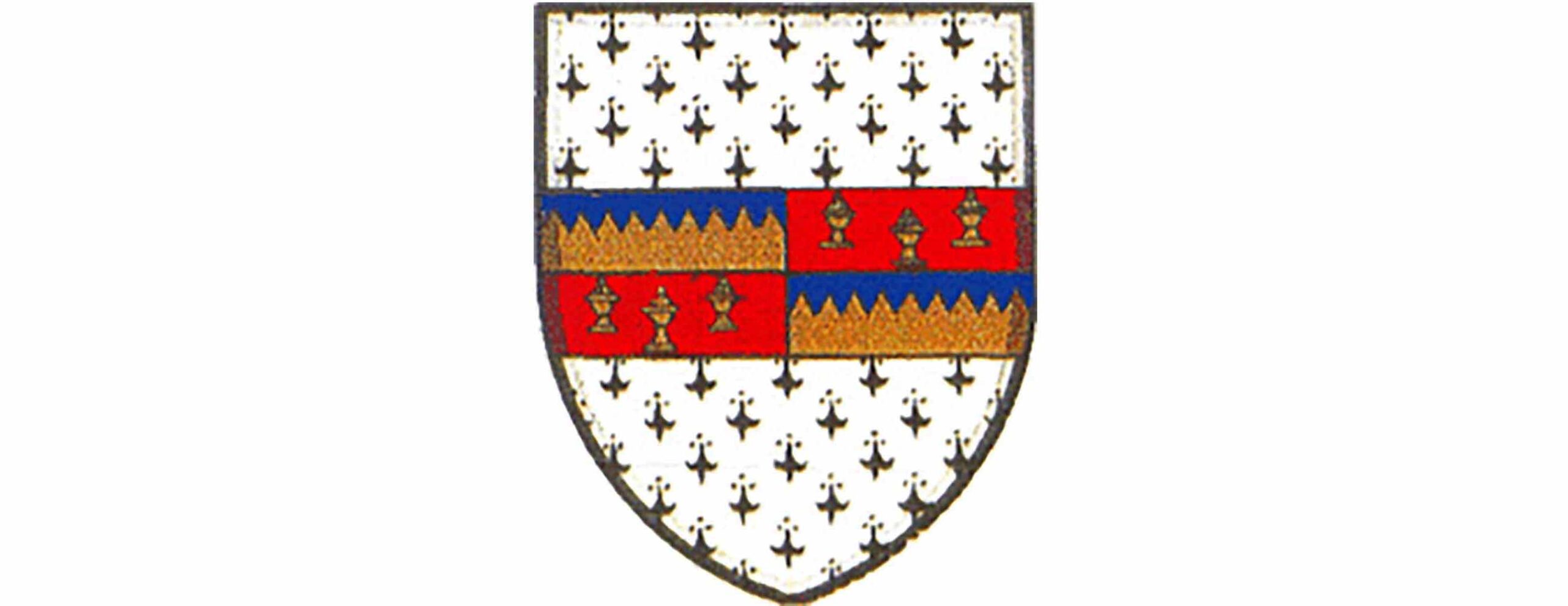
- Rock of Cashel (Carraig Phádraig / St Patrick’s Rock): This dramatic limestone outcrop was the ancient seat of the kings of Munster, a major pre-Christian royal and inauguration site with possible roots in earlier ritual use. Legend holds that St Patrick visited here in the 5th century, converting King Aenghus and blessing the rock, marking a key moment in Ireland’s Christianisation. The site features a round tower, high cross, Romanesque chapel, Gothic cathedral, and other medieval structures, attracting pilgrims and visitors for its layered sacred history.
- St Patrick’s Well, Clonmel (Marlfield): One of Ireland’s largest and most famous holy wells, this picturesque site in a tranquil valley west of Clonmel is associated with St Patrick, who is said to have stopped here to baptise locals during his journeys (though historical evidence suggests the association is later). Revered for centuries as a place of healing and spiritual renewal, it features flowing springs, an ancient cross, and a peaceful setting where pilgrims perform devotions and seek blessings.
- Holy Cross Abbey: Founded in the 12th century as a Cistercian monastery, this beautifully restored abbey became a renowned medieval pilgrimage centre due to its relic of the True Cross, drawing devotees from across Munster for healing and prayer. The site, with its Gothic architecture, cloisters, and serene riverside location, continues to attract visitors for reflection and to experience its enduring role in Irish Catholic devotion.
- Emly (Monastic Site and St Ailbe’s Holy Well): An early monastic foundation linked to St Ailbe (Albeus), one of Ireland’s pre-Patrician saints and a disciple associated with the spread of Christianity in Munster. The site includes church ruins and St Ailbe’s Holy Well in the graveyard, long venerated for healing. It represents the transition from pre-Christian sacred landscapes to early Celtic monasticism in the region.
- Roscrea Monastic Site (St Cronan’s): Founded by St Cronan in the 6th or 7th century, this important early Christian centre features church ruins, a round tower, a high cross, and remnants of monastic buildings. St Cronan, known for his ascetic life and foundations across Ireland, makes this a place of pilgrimage honouring one of the early saints, set amid a landscape with deeper historical reverence.
- Athassel Priory: Ireland’s largest Augustinian priory ruin, founded in the 12th century but located in a valley with ancient ecclesiastical traditions. Associated with early Christian settlement in south Tipperary, its impressive remains—including cloisters, church, and tombs—draw visitors exploring the evolution of monastic life and sacred spaces in the region.
- Monaincha (St Moninna’s / St Cronan’s Holy Island): A small island-like monastic site (now bog-surrounded) with church ruins, a high cross, and a holy well linked to early saints such as St Cronan or St Moninna. It exemplifies the eremitic tradition of Irish Christianity, with possible pre-Christian significance in its isolated, watery setting, attracting those seeking quiet pilgrimage and reflection.
- St Berrihert’s Well (near Ardmayle): A beautifully maintained holy well dedicated to St Berrihert (or Berchert), an 8th-century saint known for his hermitage and miracles. Set in a scenic spot with stone structures, steps, and a rag tree for offerings, it remains a popular pilgrimage place for healing (especially eye ailments) and devotion, blending folk traditions with veneration of early Irish saints.
County Tipperary:
Ireland’s county Tipperary offers a mix of historic landmarks and lush countryside, with the Rock of Cashel’s medieval fortress and cathedral providing a stunning hilltop vista. Cahir Castle, one of Ireland’s best-preserved castles, offers historical insights, while the Glen of Aherlow’s walking trails showcase scenic valleys. Other attractions include the historic town of Clonmel and its markets. Tipperary is Ireland’s sixth largest county by size (4,254 square km) and 12th largest by population (167,895). Population peaked at 435,553 in 1841 and reached its lowest point, 122,812 in 1966. In terms of hospitality, Tipperary is Ireland’s 14th most visited tourist county with around 168,000 international visitors per year.
Introduction – Adventure] – Anthem – Archaeology – Attractions – Awards – Birdwatching – Camping – Castles – Churches – Contact list – Cycling – Dining – Equestrian – Festivals – Fishing – Folklore – Gardens – Golf – Graveyards – Happening – Haunted – Highest – Hiking – History – Holy Wells – Hotels – Hotels8 – Instagrammable – Itineraries – Largest town – Luxury – MICE – Movies – Musicians – Name – New – Novelists – Off the beaten track – Poets – Pubs – Quotes – Random Facts – Restaurant Awards – Sacred Places – Saints – Spas – Sports – Sunsets– Sustainable – Things to do – Towns – Video – Villages – Walking – Wanderlist – Weddings – Wild swimming – Writers – 1837 – 1846– 1852 – 1909 – 1955 – 1980 –
Sacred Places
Antrim – Armagh – Carlow – Cavan – Clare – Cork – Derry – Donegal – Down – Dublin – Fermanagh – Galway – Kerry – Kildare – Kilkenny – Laois – Leitrim – Limerick – Longford – Louth – Mayo – Meath – Monaghan – Offaly – Roscommon – Sligo – Tipperary – Tyrone – Waterford – Westmeath – Wexford – Wicklow