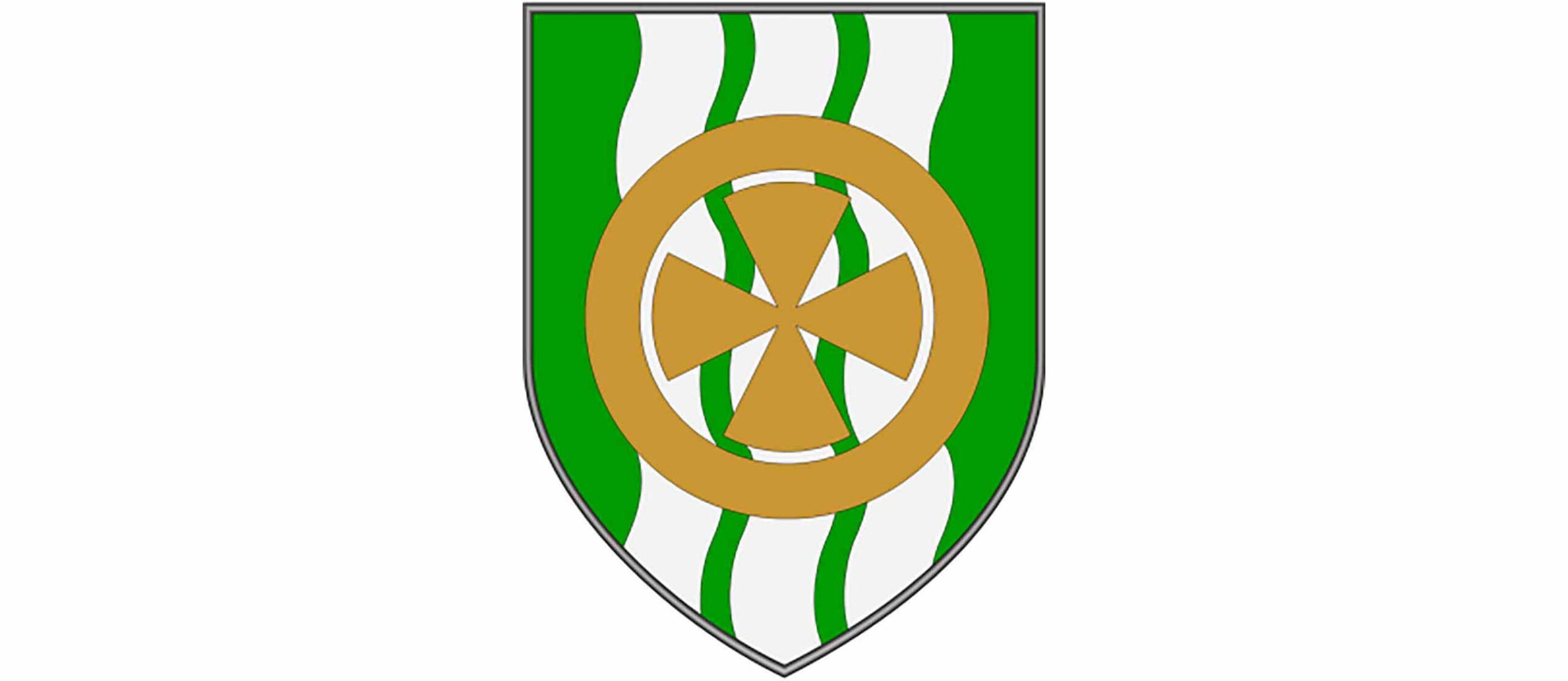
- Knockainey (Cnoc Áine): This hill stands as a key pre-Christian sacred site, long associated with the goddess Áine, a figure of summer, sovereignty, fertility, and love in ancient Irish mythology. It features ancient cairns and enclosures used for ceremonial purposes, with folklore of fairy rituals and midsummer bonfires honouring the deity.
- Lough Gur: The horseshoe-shaped lake and its surrounding landscape form one of Ireland’s foremost pre-Christian ceremonial areas, rich in Neolithic and Bronze Age monuments including stone circles, wedge tombs, and standing stones. Revered in folklore as a mystical place linked to the Tuatha Dé Danann and figures like Áine, it draws visitors for its ancient spiritual aura.
- Grange Stone Circle: Near Lough Gur, this is Ireland’s largest stone circle, a major pre-Christian ritual site likely used for astronomical observations and ceremonies in the Bronze Age. Its imposing ring of stones evokes the enduring power of ancient pagan gatherings and seasonal rites.
- St Patrick’s Well, Patrickswell: A renowned holy well said to have been blessed by St Patrick himself, this pilgrimage spot has long been sought for healing cures of ailments like sores and toothaches, as well as blessings for cattle. The site includes a wellhouse and remains a focal point for devotional visits.
- St Patrick’s Well, Singland: Located on the outskirts of Limerick city, this holy well dedicated to St Patrick is another important pilgrimage place tied to the saint’s legendary blessings in the region. It continues to draw devotees seeking spiritual solace and healing.
- Ardpatrick: An early monastic site purportedly founded by St Patrick in the 5th century, this location served as a significant pilgrimage centre associated with the patron saint. It reflects the transition from pre-Christian reverence to Christian devotion in the landscape.
- Killeedy (associated with St Ita): The monastic site founded around 546 by St Ita, known as the “foster-mother of the saints” for nurturing early Irish holy figures, remains a place of pilgrimage. Her reputed grave and shrine draw visitors honouring her legacy of sanctity and learning.
- Knockpatrick: A hilltop site with St Patrick’s holy well, church ruins, and graveyard, it is linked to traditions of the saint’s presence and blessings. Pilgrims visit for rounds and prayers at this enduring sacred spot tied to early Christian devotion.
County Limerick:
Ireland’s county Limerick combines historic landmarks with riverside charm, with Limerick City’s King John’s Castle offering insights into medieval history along the Shannon. The Hunt Museum showcases an eclectic art collection, while Adare’s thatched cottages and historic manor add picturesque appeal. Other attractions include the nearby Ballyhoura Mountains’ cycling trails. Limerick is Ireland’s tenth largest county by size (2,686 sq km), and ninth largest by population (209,536). Population peaked at 330,029 in 1841 and reached its lowest point, 133,339 in 1971. In terms of hospitality, Limerick is Ireland’s seventh most visited tourist county with around 420,000 international visitors per year.
Introduction – Adventure – Anthem – Archaeology – Attractions – Awards – Birdwatching – Camping – Castles – Churches – Contact list – Cycling – Dining – Equestrian – Festivals – Fishing – Folklore – Gardens – Golf – Graveyards – Happening – Haunted – Highest – Hiking – History – Holy Wells – Hotels – Hotels8 – Instagrammable – Itineraries – Largest town – Luxury – MICE – Movies – Musicians – Name – New – Novelists – Off the beaten track – Poets – Pubs – Quotes – Random Facts – Restaurant Awards – Sacred Places – Saints – Spas – Sports – Sunsets– Sustainable – Things to do – Towns – Video – Villages – Walking – Wanderlist – Weddings – Wild swimming – Writers – 1837 – 1846 – 1852 – 1909 – 1955 – 1980 –
Sacred Places
Antrim – Armagh – Carlow – Cavan – Clare – Cork – Derry – Donegal – Down – Dublin – Fermanagh – Galway – Kerry – Kildare – Kilkenny – Laois – Leitrim – Limerick – Longford – Louth – Mayo – Meath – Monaghan – Offaly – Roscommon – Sligo – Tipperary – Tyrone – Waterford – Westmeath – Wexford – Wicklow