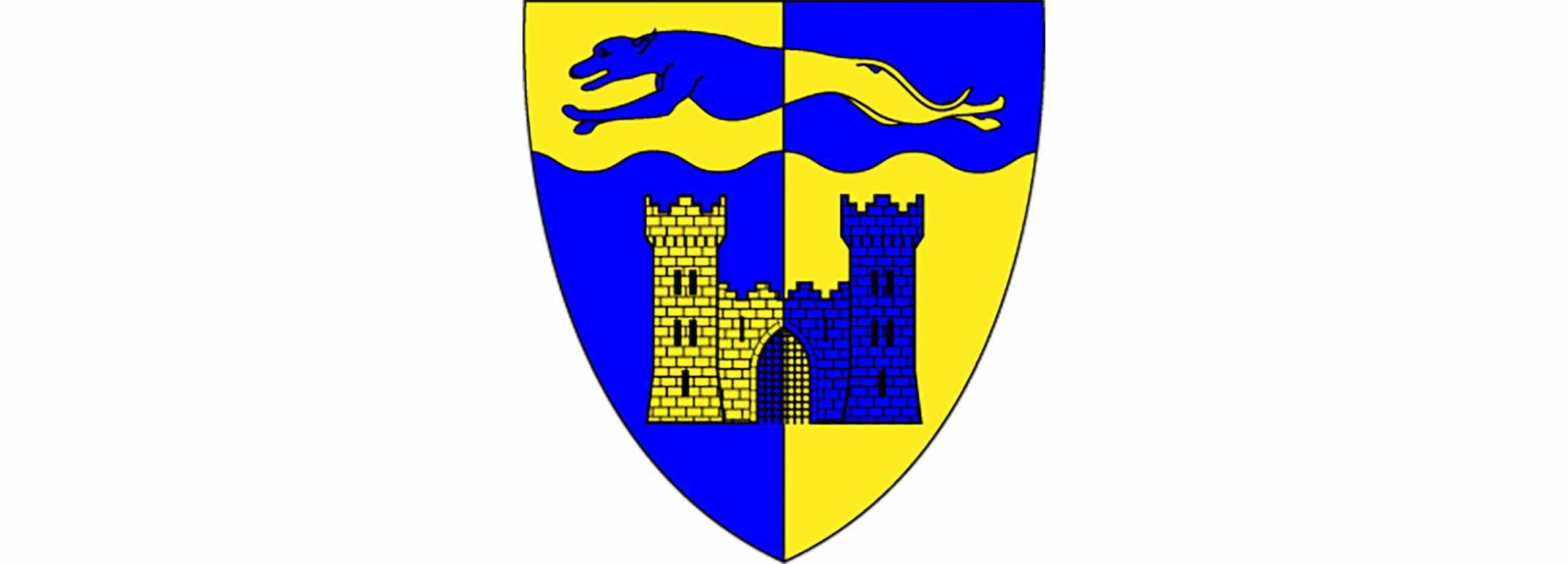
County Longford, located in the Irish midlands, is a lesser-known birdwatching destination characterized by its lakelands, bogs, rivers, and scattered woodlands. While not as renowned as coastal counties, Longford’s habitats, including the River Shannon, Lough Ree, and raised bogs, support a variety of resident and migratory bird species, particularly waterfowl, waders, and woodland birds.
Lough Ree (Southern Longford, near Lanesborough and Newtowncashel)
- Whooper Swan: Winter visitor, seen in flocks on the lake, especially November–March.
- Wigeon, Teal, Mallard, Pochard, Tufted Duck: Common wintering ducks in open waters.
- Goldeneye: Winter visitor, frequent on deeper lake areas.
- Great Crested Grebe, Little Grebe: Resident, breeding on the lake, visible year-round.
- Little Egret, Grey Heron: Common along lake shores and reedbeds.
- Kingfisher: Resident, spotted in quieter bays and along canals.
- Lapwing, Snipe: Waders in lakeside marshes and wet grasslands, best in winter. Lough Ree, part of the River Shannon system and a Special Protection Area (SPA), is a significant site for wintering waterfowl. Viewing points near Lanesborough (e.g., Lanesborough Harbour) and Newtowncashel offer access to the lake’s shores. Winter (November–March) is peak season for waterfowl, with spring and summer good for breeding grebes and Kingfishers. Boat trips from Lanesborough enhance sightings.
Royal Canal (Ballymahon to Keenagh)
- Kingfisher: Common along the canal, especially in quiet, vegetated sections.
- Dipper, Grey Wagtail: Found along feeder streams and faster-flowing areas.
- Mute Swan, Moorhen, Coot: Resident, seen on canal waters.
- Little Egret: Increasingly common along canal banks.
- Reed Bunting: Resident, frequent in reedbeds near the canal. The Royal Canal, running through Longford, provides a linear habitat for waterbirds and riverine species. Towpaths between Ballymahon and Keenagh offer easy access for walking and birdwatching. Spring and summer (March–August) are best for breeding species like Kingfisher, with winter good for waterfowl and egrets.
Newcastle Wood (Near Ballymahon, N39 YX63)
- Great Spotted Woodpecker: Recent colonist, seen in mature woodlands.
- Treecreeper, Coal Tit, Goldcrest: Common in mixed forests.
- Jay, Chaffinch, Siskin: Resident woodland birds, active year-round.
- Sparrowhawk, Buzzard: Raptors hunting in wooded and open areas.
- Blackcap: Summer migrant, singing in spring. Newcastle Wood, a Coillte forest, is one of Longford’s best woodland birdwatching sites. Trails through the forest provide access to mature trees and clearings, ideal for spotting woodpeckers and tits. Spring (March–May) is best for active songbirds, with winter good for raptors and resident species.
Derrycassan Wood and Lough Gowna (Northern Longford, near Arvagh)
- Great Spotted Woodpecker, Treecreeper: Found in woodland areas.
- Coal Tit, Blue Tit, Long-tailed Tit: Common in mixed forests.
- Mute Swan, Mallard: Resident on Lough Gowna.
- Kingfisher, Grey Wagtail: Seen along lake shores and inflowing streams.
- Buzzard: Frequently soaring over woodlands and lake. Derrycassan Wood, near Lough Gowna, combines woodland and lakeside habitats. Access points near Arvagh allow for exploration of the lake’s shores and adjacent forests. Spring and summer (March–August) are ideal for woodland and breeding birds, with winter offering waterfowl sightings.
Annagh Lough and Bog (Near Edgeworthstown)
- Snipe, Jack Snipe: Skulking waders in boggy areas, best in winter.
- Curlew: Breeding in wet grasslands, seen in spring/summer (though declining).
- Meadow Pipit, Skylark: Common in open boglands, singing in spring/summer.
- Grasshopper Warbler: Rare summer visitor, heard in scrubby areas.
- Buzzard, Kestrel: Raptors hunting over wetlands. Annagh Lough and its surrounding raised bog provide specialist wetland and bog habitats. Access is limited, but local roads near Edgeworthstown offer viewing opportunities. Spring (March–May) is best for breeding birds like Curlew, with winter good for waders like Snipe.
River Inny (Near Ballymahon and Abbeyshrule)
- Dipper, Grey Wagtail: Resident along fast-flowing sections of the river.
- Kingfisher: Common in quieter areas, especially near Abbeyshrule.
- Mute Swan, Mallard: Resident along riverbanks.
- Little Egret: Seen along slower-moving sections. The River Inny, a tributary of the Shannon, supports riverine birds. Viewing points near Ballymahon and Abbeyshrule, particularly around bridges, are good for spotting Dippers and Kingfishers. Spring and summer (March–August) are best for breeding species, with winter suitable for egrets and waterfowl.
Granard Area (Farmland and Small Lakes, near Granard)
- Lapwing, Golden Plover: Winter visitors, seen in wet fields.
- Yellowhammer, Linnet: Found in hedgerows and farmland, especially in summer.
- Skylark, Meadow Pipit: Common in open fields, singing in spring/summer.
- Barn Owl: Nocturnal, occasionally seen at dusk in rural areas. The farmland and small lakes around Granard support farmland and grassland birds. Quiet roads and fields near Granard offer opportunities to spot species like Yellowhammer and Lapwing. Spring and summer (March–August) are best for breeding birds, with winter good for plovers.
Rare and Notable Sightings (Various Sites)
- Green-winged Teal: Rare transatlantic vagrant, occasionally seen at Lough Ree.
- Corncrake: Extremely rare, historically recorded in wet grasslands near Lough Ree.
- Marsh Harrier: Rare, occasionally spotted over Lough Ree’s reedbeds.
- Bittern: Rare winter visitor, recorded in Lough Ree’s wetlands. Lough Ree is the primary site for rare vagrants, particularly during autumn migration (September–November). Check www.irishbirding.com for recent records.
Seasonal Tips:
- Spring (March–May): Summer migrants like Blackcap and Grasshopper Warbler arrive. Woodland birds (Great Spotted Woodpecker, Treecreeper) are active in Newcastle Wood.
- Summer (June–August): Breeding season for resident species like Dipper, Kingfisher, and Curlew. Farmland birds like Skylark are vocal around Granard.
- Autumn (September–November): Peak migration for waders and rare vagrants at Lough Ree. Wetland sites like Annagh Lough are productive.
- Winter (December–March): Best for waterfowl (Whooper Swans, Goldeneye) and waders at Lough Ree and Lough Scur. Raptors like Buzzard are more visible.
- Conservation Context: Lough Ree is an SPA and Ramsar site, critical for wintering waterfowl. Species like Curlew and Corncrake are conservation priorities due to declining populations. Report rare sightings to Irish Birding (www.irishbirding.com) (www.irishbirding.com) or BirdWatch Ireland to support monitoring efforts.
Longford:
Longford offers a peaceful blend of history and countryside, with the Corlea Trackway Visitor Centre showcasing an ancient Iron Age road. The county’s St Mel’s Cathedral in Longford town provides architectural beauty, while the River Inny offers opportunities for kayaking and fishing. Other attractions include the rolling farmlands and historic Ardagh village. Longford is Ireland’s fourth smallest county by size and second smallest by population (46,751). Population peaked at 115,491 in 1841 and reached its lowest point, 28,250 in 1971. In terms of hospitality, Longford is Ireland’s 32nd most visited and Ireland’s least visited tourist county with around 22,000 international visitors per year.
Introduction – Adventure – Anthem – Archaeology – Attractions – Awards – Birdwatching – Camping – Castles – Churches – Contact list – Cycling – Dining – Equestrian – Festivals – Fishing – Folklore – Gardens – Golf – Graveyards – Happening – Haunted – Highest – Hiking – History – Holy Wells – Hotels – Hotels8 – Instagrammable – Itineraries – Largest town – Luxury – MICE – Movies – Musicians – Name – New – Novelists – Off the beaten track – Poets – Pubs – Quotes – Random Facts – Restaurant Awards – Saints – Spas – Sports – Sunsets – Sustainable –Things to do – Towns – Video – Villages – Walking – Wanderlist – Weddings – Wild swimming – Writers – 1837 – 1846 – 1852 – 1909 – 1955 – 1980 –
Birdwatching
Antrim – Armagh – Carlow – Cavan – Clare – Cork – Derry – Donegal – Down – Dublin – Fermanagh – Galway – Kerry – Kildare – Kilkenny – Laois – Leitrim – Limerick – Longford – Louth – Mayo – Meath – Monaghan – Offaly – Roscommon – Sligo – Tipperary – Tyrone – Waterford – Westmeath – Wexford – Wicklow