- St Patrick’s Cathedral in Dublin city stands on a site with deep historical resonance, where tradition holds St Patrick baptised converts in nearby waters during his missionary work around 450 AD. The cathedral, founded in the 13th century on earlier ecclesiastical grounds, draws pilgrims honouring the patron saint’s legacy, with the surrounding area echoing possible pre-Christian sacred associations through its elevated position and ancient wells.
- Christ Church Cathedral, Dublin’s oldest cathedral, traces roots to a Viking foundation around 1030, later rebuilt, but its hilltop location may overlay earlier sacred significance. Linked indirectly to St Patrick’s era through Dublin’s early Christian history, it serves as a focal point for reflection and pilgrimage in the heart of the city.
- St Kevin’s Well (various traditions, including in Tallaght or nearby areas) honours the 6th-century saint renowned for founding Glendalough in neighbouring Wicklow. In Dublin’s southern fringes, such wells tied to St Kevin attract quiet devotees seeking healing and blessings, preserving ancient hydrolatry customs adapted to his ascetic legacy.
- St Patrick’s Well (Tobar Phádraig, in locations like Balbriggan or rural spots) connects directly to Ireland’s patron saint, with folklore attributing curative properties to springs he blessed. These wells, often simple and secluded, invite pilgrims for prayer and rituals rooted in pre-Christian water veneration now linked to Patrick’s evangelisation.
- St Werburgh’s Well (Tobar Werburgh) in Swords, within a copse near a stream in Airside Business Park, is dedicated to the obscure Saxon saint but draws visitors from diverse faiths for eye cures and general healing. The site features offerings and a serene, wooded setting that echoes older sacred spring traditions.
- Lady’s Well (or similar Marian wells in Dublin suburbs) reflects post-Reformation devotion often built on pre-existing holy springs. These attract pilgrims for intercession and reflection, blending Christian practice with enduring reverence for natural water sources.
- St Anne’s Well in Glenasmole, nestled in the Dublin Mountains, is a stone-lined spring at the base of a sacred tree, long venerated for healing. Pilgrims perform quiet rituals here, with the site’s natural beauty preserving continuity from pre-Christian nature cults.
County Dublin:
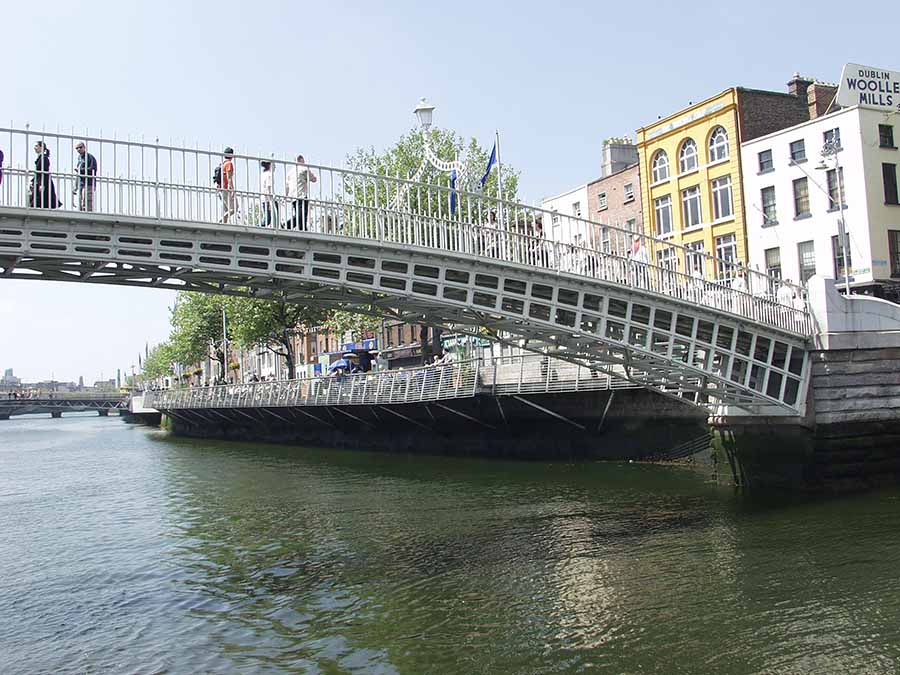
Ireland’s county Dublin combines cultural heritage with urban appeal, with Trinity College’s Book of Kells and Dublin Castle offering historical depth. The Guinness Storehouse provides a journey through Ireland’s iconic stout, while Phoenix Park’s vast green spaces are ideal for cycling. The River Liffey’s scenic walks and Kilmainham Gaol’s historical tours make Dublin a versatile destination for culture and history. Dublin is Ireland’s third smallest county by size (922 square km) and largest by population (1,458,154). Dublin is also Ireland’s most visited tourist county by a margin, with around four million international visitors per year. In terms of hospitality,
Introduction – Adventure – Anthem – Archaeology – Attractions – Awards – Birdwatching – Camping – Castles – Churches – Contact list – Cycling – Dining – Equestrian – Festivals – Fishing – Folklore – Gardens – Golf – Graveyards – Happening – Haunted – Highest – Hiking – History – Holy Wells – Hotels – Hotels8 – Instagrammable – Itineraries – Largest town – Luxury – MICE – Movies – Musicians – New – Name – Novelists – Off the beaten track – Poets – Pubs – Quotes – Random Facts – Restaurant Awards – Sacred Places – Saints – Spas – Sports – Sunsets– Sustainable – Things to do – Towns – Video – Villages – Walking – Wanderlist – Weddings – Wild swimming – Writers – 1837 – 1846 – 1852 – 1909 – 1955 – 1980 –
Sacred Places
Antrim – Armagh – Carlow – Cavan – Clare – Cork – Derry – Donegal – Down – Dublin – Fermanagh – Galway – Kerry – Kildare – Kilkenny – Laois – Leitrim – Limerick – Longford – Louth – Mayo – Meath – Monaghan – Offaly – Roscommon – Sligo – Tipperary – Tyrone – Waterford – Westmeath – Wexford – Wicklow