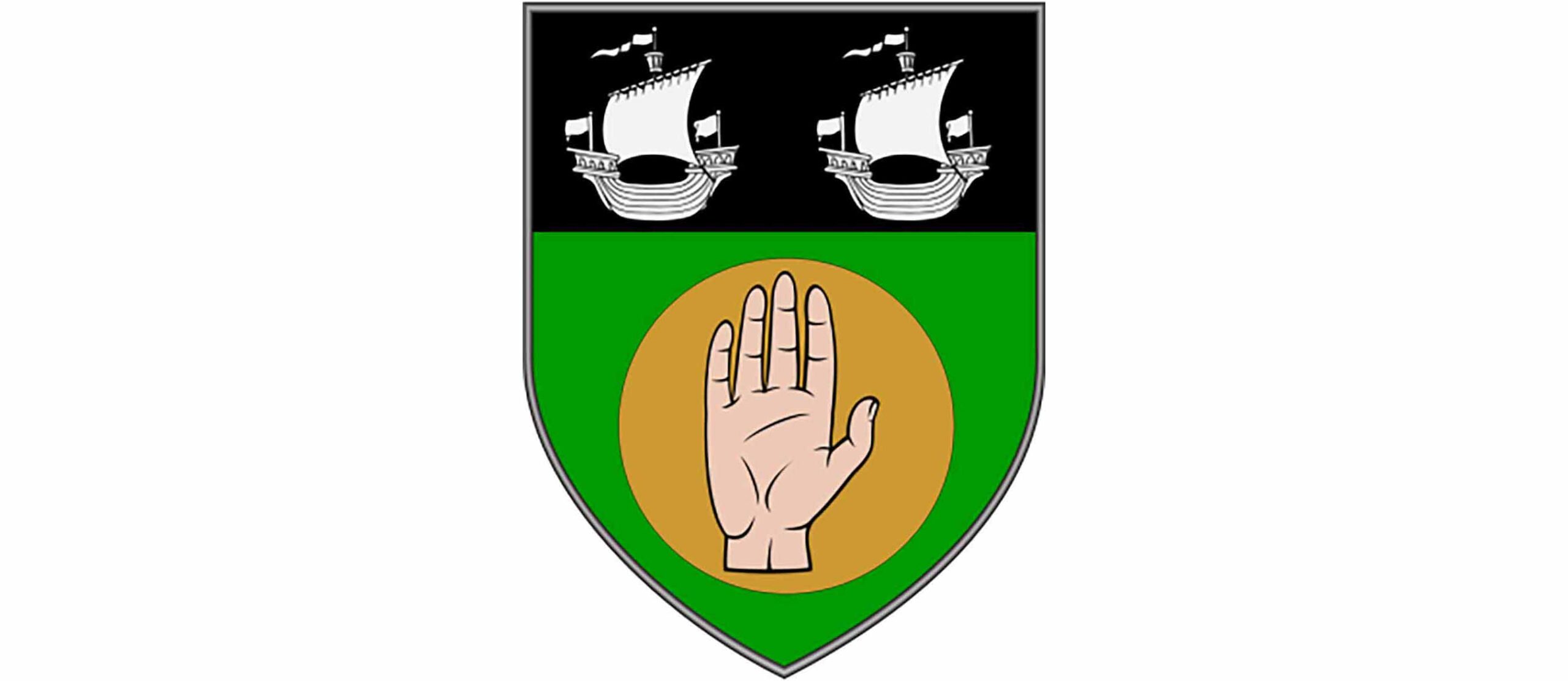
- Hill of Faughart (Faughart Upper): This ancient hill is what is mistakenly regarded as the birthplace of St Brigid, one of Ireland’s patron saints, whose veneration echoes her pre-Christian counterpart, the goddess Brigid associated with fertility, healing, and spring. The site features church ruins, a medieval graveyard, St Brigid’s Bed (a horseshoe-shaped penitential enclosure), and a pillar stone, drawing pilgrims year-round, especially on her feast day of 1 February.
- St Brigid’s Holy Well, Faughart: Located within the old graveyard on the Hill of Faughart, this renowned holy well is enclosed by a stone beehive hut and accessed by steep steps. Believed to possess healing properties, it remains a major pilgrimage spot where devotees perform rounds, leave offerings on nearby clootie trees, and collect water, honouring St Brigid’s enduring legacy of cure and blessing.
- St Brigid’s Shrine, Faughart: A short distance from the hill, this modern national shrine (designated in 1934) honours St Brigid with Stations of the Cross, healing stones revered for their curative powers, and Sruth Bhríde (St Brigid’s Stream). It serves as a peaceful place of reflection and devotion, attracting thousands seeking spiritual renewal in her traditional birthplace area.
- Monasterboice: Founded in the late 5th century by St Buite (Buithe), a disciple of St Patrick, this early monastic settlement features one of Ireland’s finest round towers, two exceptional high crosses, and church ruins. Evidence suggests pre-Christian sacred significance at the site, which became an important religious centre before the rise of nearby Mellifont Abbey.
- Mellifont Abbey: Established in 1142 as Ireland’s first Cistercian monastery, this site represents the later medieval phase of Irish monasticism but stands in a landscape of earlier Christian tradition. Its ruins, including the distinctive lavabo and gatehouse, draw visitors exploring the transition from early Celtic Christianity to continental influences.
- Ladywell Shrine (near Dundalk): One of the best-known holy wells in the northeast, this Marian shrine dedicated to Our Lady has long attracted pilgrims from Louth and beyond. Centuries-old traditions of prayer and devotion continue here, with the site offering a serene setting for personal reflection and spiritual practice.
- St Patrick’s Well (various locations, e.g., near Carlingford or local traditions): Associated with St Patrick, Ireland’s patron saint, such wells in the county reflect his missionary journeys through the area. They serve as places of healing and blessing, where pilgrims continue to visit for prayers and rounds, tying into broader Patrician lore in Louth’s sacred geography.
- Proleek Dolmen (near Carlingford): This impressive Neolithic portal tomb, surrounded by legend and ancient reverence, exemplifies pre-Christian sacred culture in the county. Folklore links it to giants and mythical figures, making it a site of enduring interest for those drawn to Ireland’s prehistoric spiritual landscape and megalithic heritage.
County Louth:
Ireland’s county Louth is a county of historic depth and coastal beauty, with Drogheda’s St Peter’s Church housing a historic shrine and the Boyne Valley offering ancient sites like Newgrange, a UNESCO-listed passage tomb. Carlingford’s medieval streets and castle provide scenic walks, while Dundalk’s coastal paths add natural allure. Other attractions include the Cooley Peninsula’s hiking trails. Louth is Ireland’s smallest county by size (821 sq km) and 17th largest by population (139,703). Population peaked at 128,240 in 1841 and reached its lowest point, 63,665 in 1926. In terms of hospitality, Louth is Ireland’s 21st most visited tourist county with around 108,000 international visitors per year.
Introduction – Adventure – Anthem – Archaeology – Attractions – Awards – Birdwatching – Camping – Castles – Churches – Contact list – Cycling – Dining – Equestrian – Festivals – Fishing – Folklore – Gardens – Golf – Graveyards – Happening – Haunted – Highest – Hiking – History – Holy Wells – Hotels – Hotels8 – Instagrammable – Itineraries – Largest town – Luxury – MICE – Movies – Musicians – Name – New – Novelists – Off the beaten track – Poets – Pubs – Quotes – Random Facts – Restaurant Awards – Sacred Places – Saints – Spas – Sports – Sunsets– Sustainable – Things to do – Towns – Video – Villages – Walking – Wanderlist – Weddings – Wild swimming – Writers – 1837 – 1846 – 1852 – 1909 – 1955 – 1980 –
Sacred Places
Antrim – Armagh – Carlow – Cavan – Clare – Cork – Derry – Donegal – Down – Dublin – Fermanagh – Galway – Kerry – Kildare – Kilkenny – Laois – Leitrim – Limerick – Longford – Louth – Mayo – Meath – Monaghan – Offaly – Roscommon – Sligo – Tipperary – Tyrone – Waterford – Westmeath – Wexford – Wicklow