- Mary Anne Madden Sadlier: Born in Cootehill, County Cavan; lived in Drogheda, County Louth 1820–1903) A novelist and poet, Sadlier is known for her works of Irish Catholic fiction, such as Confessions of an Apostate (1864) and Bessy Conway (1861), which depict the Irish immigrant experience in North America. Her family moved to Drogheda during her childhood, where she was educated before emigrating to Quebec in 1844. Her novels, often serialised in Catholic publications, promoted Irish identity and faith, making her a significant figure in 19th-century Irish-American literature.
- Nicola Cassidy: A historical fiction author based in Termonfeckin, known for December Girl, The Nanny at Number 43, and Adele, a bio-fictional account of the life of stage star Adele Astaire (2020).
- Nicola Pierce: A novelist known for historical fiction, including stories focused on the Irish Famine, such as Between Worlds: The Journey of the Famine Girls (2023).
- Gertrude Page (1872–1922): A bestselling author born in the area, famous for her novels set in Rhodesia and Paddy the Next Best Thing (1908), which was set in Omeath, Co. Louth.
- Selina Bunbury (1802–1882): A prolific 19th-century novelist and travel writer born at Kilsaran House, Co. Louth, known for A visit to my birthplace (1821).
- John Boyle O’Reilly (1844–1890): A poet, novelist, and Irish revolutionary born at Dowth Castle, near Drogheda, Co. Louth.
- Nicola Kearns: A Louth-based author writing historical fiction focused on the women of the Irish revolution.
- Oisín McGann: While born in Dublin, the children’s author and illustrator spent his childhood in Drogheda, Co. Louth.
Novelists
Antrim – Armagh – Carlow – Cavan – Clare – Cork – Derry – Donegal – Down – Dublin – Fermanagh – Galway – Kerry – Kildare – Kilkenny – Laois – Leitrim – Limerick – Longford – Louth – Mayo – Meath – Monaghan – Offaly – Roscommon – Sligo – Tipperary – Tyrone – Waterford – Westmeath – Wexford – Wicklow
Poets
Antrim – Armagh – Carlow – Cavan – Clare – Cork – Derry – Donegal – Down – Dublin – Fermanagh – Galway – Kerry – Kildare – Kilkenny – Laois – Leitrim – Limerick – Longford – Louth – Mayo – Meath – Monaghan – Offaly – Roscommon – Sligo – Tipperary – Tyrone – Waterford – Westmeath – Wexford – Wicklow
Writers
Antrim – Armagh – Carlow – Cavan – Clare – Cork – Derry – Donegal – Down – Dublin – Fermanagh – Galway – Kerry – Kildare – Kilkenny – Laois – Leitrim – Limerick – Longford – Louth – Mayo – Meath – Monaghan – Offaly – Roscommon – Sligo – Tipperary – Tyrone – Waterford – Westmeath – Wexford – Wicklow
County Louth:
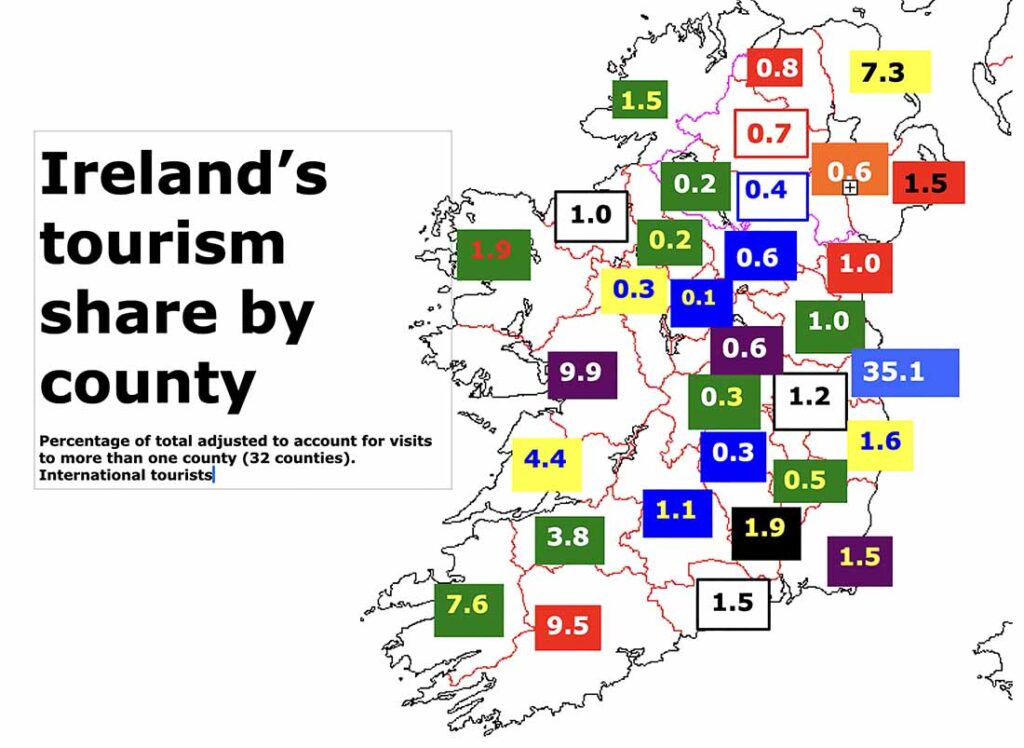
Ireland’s county Louth is a county of historic depth and coastal beauty, with Drogheda’s St Peter’s Church housing a historic shrine and the Boyne Valley offering ancient sites like Newgrange, a UNESCO-listed passage tomb just over the border in county Meath. Carlingford’s medieval streets and castle provide scenic walks, while Dundalk’s coastal paths add natural allure. Other attractions include the Cooley Peninsula’s hiking trails. Louth is Ireland’s smallest county by size (821 sq km) and 17th largest by population (139,703). Population peaked at 128,240 in 1841 and reached its lowest point, 63,665 in 1926. In terms of hospitality, Louth is Ireland’s 21st most visited tourist county with around 108,000 international visitors per year.
Introduction – Adventure – Anthem – Archaeology – Attractions – Awards – Birdwatching – Camping – Castles – Churches – Contact list – Cycling – Dining – Equestrian – Festivals – Fishing – Folklore – Gardens – Golf – Graveyards – Happening – Haunted – Highest – Hiking – History – Holy Wells – Hotels – Hotels top 8 – Hunting & shooting – Instagrammable – Itineraries – Largest town – Luxury – MICE – Movies – Music – Name – New – Novelists – Off the beaten track – Poets – Pubs – Quotes – Random Facts – Restaurant Awards – Sacred Places – Saints – Songs – Spas – Sports – Sunsets – Sustainable – Things to do – Towns – Video – Villages – Walking – Wanderlist – Weddings – Wild swimming – Writers – 1837 – 1846 – 1852 – 1909 – 1955 – 1980 –