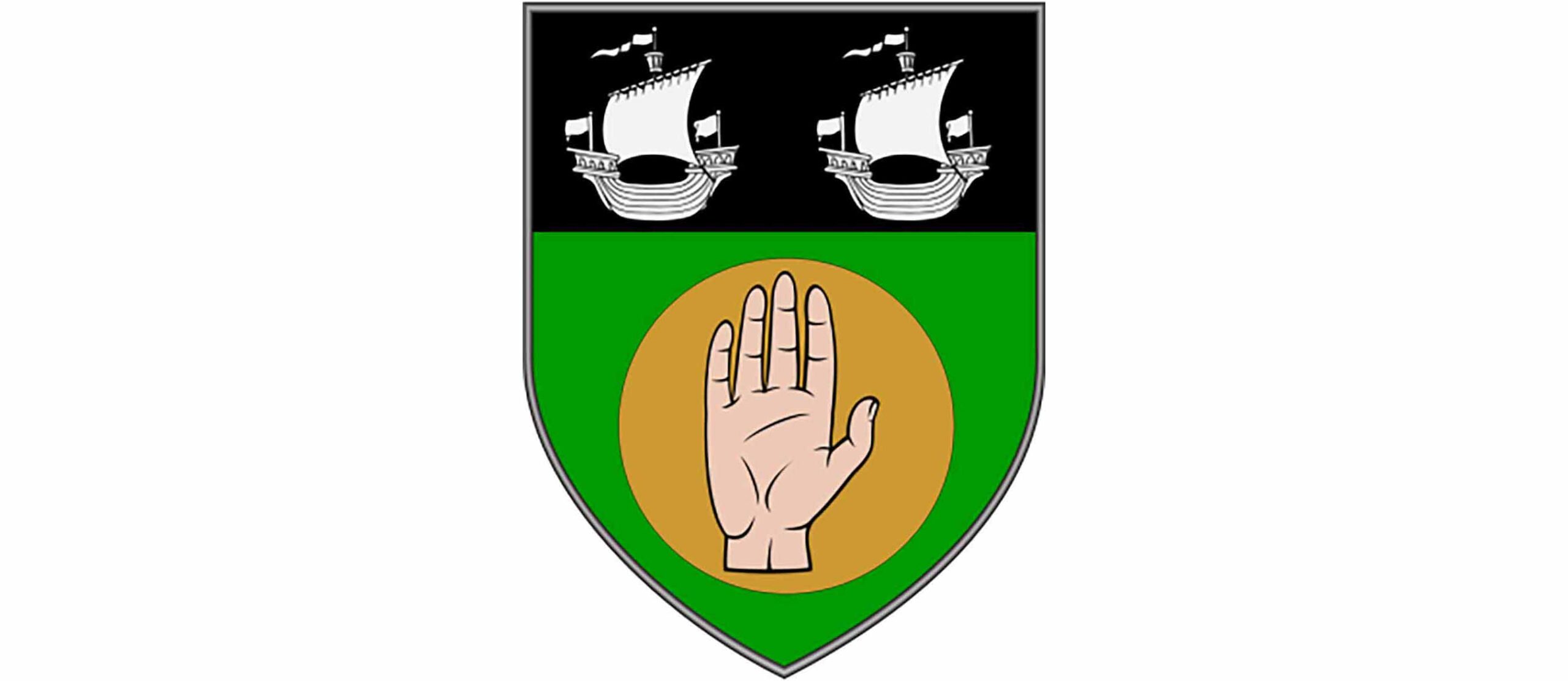
- How Setanta Became Cú Chulainn: Young Setanta, invited to a feast hosted by the smith Culann, arrived late and was attacked by Culann’s fierce hound; with great strength, he killed the beast, afterwards offering to guard in its place until a replacement was found, thus earning the name Cú Chulainn, the Hound of Culann.
- The Giants Buried in the Mound: In a field belonging to Clark in Dromin parish, a large mound is said to mark the burial place of two ancient giants, including the legendary Fionn Mac Cumhaill and another mighty warrior from old times.
- Hidden Gold Guarded by the Wild Cat: An old fort in Cromartin near Ardee conceals buried gold, protected by a supernatural wild cat; local tradition warns that anyone attempting to unearth the treasure faces the creature’s fierce guardianship.
- The Fairy Forts and Their Inhabitants: Numerous ring forts across Louth, such as those in Corderry near Knockbridge and in fields around Ardee, are regarded as fairy dwellings, with bushes and mounds left undisturbed lest misfortune befall those who interfere.
- Cromwell’s Cannon at Channonrock: The townland of Channonrock derives its name from a massive rock where Oliver Cromwell is said to have rested his cannon guns en route to attack the monastery in Louth, leaving a lasting mark on local legend.
Folklore
Antrim – Armagh – Carlow – Cavan – Clare – Cork – Derry – Donegal – Down – Dublin – Fermanagh – Galway – Kerry – Kildare – Kilkenny – Laois – Leitrim – Limerick – Longford – Louth – Mayo – Meath – Monaghan – Offaly – Roscommon – Sligo – Tipperary – Tyrone – Waterford – Westmeath – Wexford – Wicklow
County Louth:
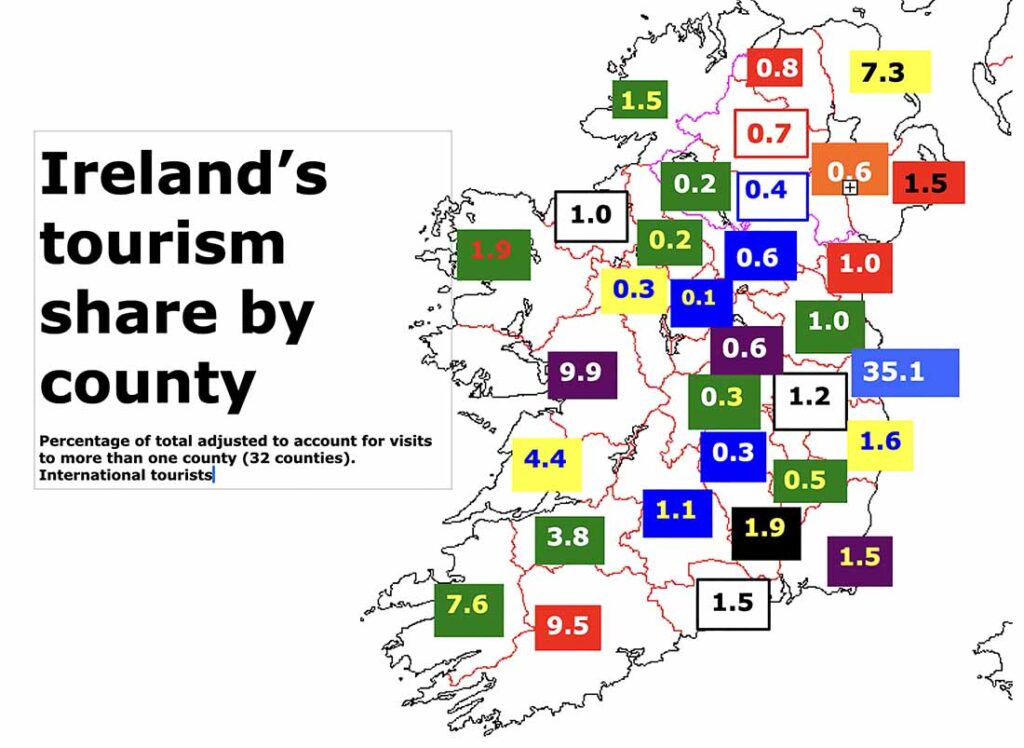
Ireland’s county Louth is a county of historic depth and coastal beauty, with Drogheda’s St Peter’s Church housing a historic shrine and the Boyne Valley offering ancient sites like Newgrange, a UNESCO-listed passage tomb just over the border in county Meath. Carlingford’s medieval streets and castle provide scenic walks, while Dundalk’s coastal paths add natural allure. Other attractions include the Cooley Peninsula’s hiking trails. Louth is Ireland’s smallest county by size (821 sq km) and 17th largest by population (139,703). Population peaked at 128,240 in 1841 and reached its lowest point, 63,665 in 1926. In terms of hospitality, Louth is Ireland’s 21st most visited tourist county with around 108,000 international visitors per year.
Introduction – Adventure – Anthem – Archaeology – Attractions – Awards – Birdwatching – Camping – Castles – Churches – Contact list – Cycling – Dining – Equestrian – Festivals – Fishing – Folklore – Gardens – Golf – Graveyards – Happening – Haunted – Highest – Hiking – History – Holy Wells – Hotels – Hotels top 8 – Hunting & shooting – Instagrammable – Itineraries – Largest town – Luxury – MICE – Movies – Music – Name – New – Novelists – Off the beaten track – Poets – Pubs – Quotes – Random Facts – Restaurant Awards – Sacred Places – Saints – Songs – Spas – Sports – Sunsets – Sustainable – Things to do – Towns – Video – Villages – Walking – Wanderlist – Weddings – Wild swimming – Writers – 1837 – 1846 – 1852 – 1909 – 1955 – 1980 –