Begin at Drogheda Railway Station (MacBride Station), a 19th-century hub with a red-brick facade, centrally located near the town’s heart. Head south (5-minute walk) to West Street, Drogheda’s bustling main street lined with shops and cafés. Pop into The Central Café on West Street for a quick coffee or artisan scone, its warm, modern vibe and local ingredients offer a welcoming start.
Stroll east (10 minutes) to St. Laurence’s Gate, a 13th-century barbican and one of Ireland’s finest medieval monuments, part of Drogheda’s ancient town walls. On Saturdays, the nearby Drogheda Market (near Dyer Street) buzzes with stalls offering local cheeses, breads, and hot food. Grab a cheap, hearty lunch, try a fresh sausage roll or a veggie pasty from a vendor like The Gourmet Food Parlour. Arrive by 12:30 PM to beat the crowds, as it’s a no-reservations hotspot with a lively, 19th-century diner feel.
Continue south (5 minutes) to St. Peter’s Church (Church of Ireland), a Gothic gem with a 17th-century tower, housing the preserved head of St. Oliver Plunkett, a unique and haunting relic. A quick visit (donations appreciated) offers a glimpse into Drogheda’s religious history. The church’s riverside proximity to the Boyne adds a scenic touch.
Head west (10-minute walk) along Shop Street to The D Hotel, where The Hops Bar offers a stylish yet traditional setting. Grab a pint or a quick bite like their signature fish chowder in a no-bookings atmosphere. Its modern decor, with nods to Drogheda’s brewing heritage, feels steeped in local character.
Walk north (10 minutes) to Dominic’s Bridge and the Millmount Fort and Museum, a 17th-century stronghold overlooking the Boyne. The museum (€3.
50 entry, under 10 minutes) showcases Drogheda’s military and textile history, with artefacts like old looms, a serene. The fort’s panoramic views are a highlight.
Continue west (10-minute walk) to North Quay and Relish Café for a hot chocolate or artisan coffee, served in a cosy setting with views of the river’s flow. Browse nearby Scotch Hall Shopping Centre for a touch of local boutique charm.
End your tour (10-minute walk) at the Boyne Viaduct and Tholsel, an 18th-century clocktower and former courthouse, now a visitor information point with small exhibits on Drogheda’s history. Its Georgian elegance provides a cultural capstone,. If time allows, grab a classic 99 ice cream cone from The Creamery on Laurence Street to enjoy by the riverbank.
See also: Dundalk walking tour.
Largest town walking tour
Antrim – Armagh – Carlow – Cavan – Clare – Cork – Derry – Donegal – Down – Dublin – Fermanagh – Galway – Kerry – Kildare – Kilkenny – Laois – Leitrim – Limerick – Longford – Louth – Mayo – Meath – Monaghan – Offaly – Roscommon – Sligo – Tipperary – Tyrone – Waterford – Westmeath – Wexford – Wicklow
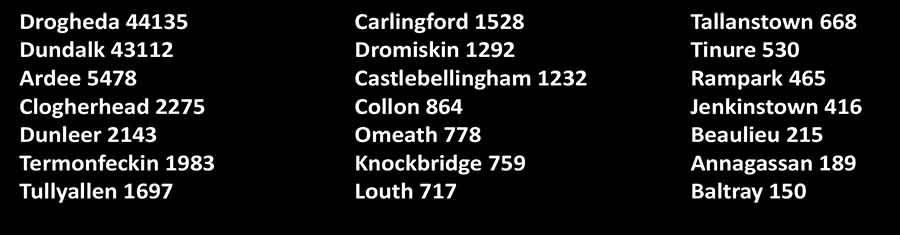
Population of towns in county Louth
Towns
Antrim – Armagh – Carlow – Cavan – Clare – Cork – Derry – Donegal – Down – Dublin – Fermanagh – Galway – Kerry – Kildare – Kilkenny – Laois – Leitrim – Limerick – Longford – Louth – Mayo – Meath – Monaghan – Offaly – Roscommon – Sligo – Tipperary – Tyrone – Waterford – Westmeath – Wexford – Wicklow
Villages
Antrim – Armagh – Carlow – Cavan – Clare – Cork – Derry – Donegal – Down – Dublin – Fermanagh – Galway – Kerry – Kildare – Kilkenny – Laois – Leitrim – Limerick – Longford – Louth – Mayo – Meath – Monaghan – Offaly – Roscommon – Sligo – Tipperary – Tyrone – Waterford – Westmeath – Wexford – Wicklow
County Louth:
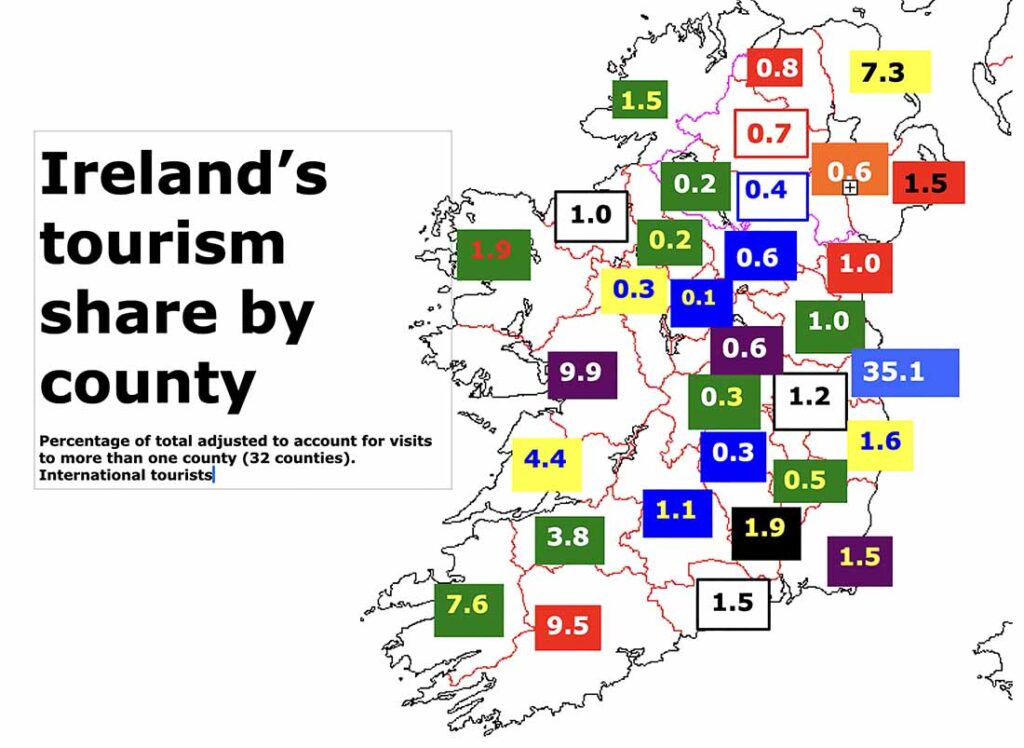
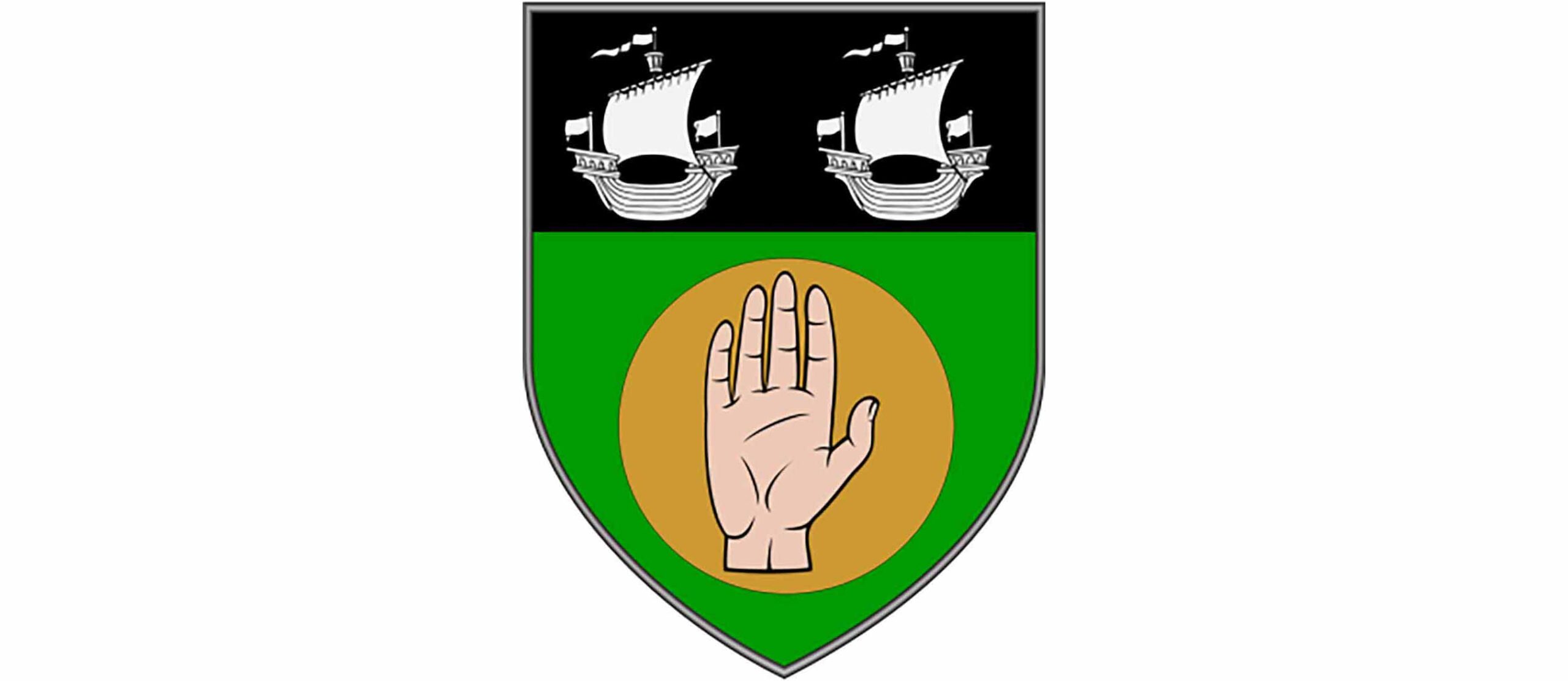
Ireland’s county Louth is a county of historic depth and coastal beauty, with Drogheda’s St Peter’s Church housing a historic shrine and the Boyne Valley offering ancient sites like Newgrange, a UNESCO-listed passage tomb just over the border in county Meath. Carlingford’s medieval streets and castle provide scenic walks, while Dundalk’s coastal paths add natural allure. Other attractions include the Cooley Peninsula’s hiking trails. Louth is Ireland’s smallest county by size (821 sq km) and 17th largest by population (139,703). Population peaked at 128,240 in 1841 and reached its lowest point, 63,665 in 1926. In terms of hospitality, Louth is Ireland’s 21st most visited tourist county with around 108,000 international visitors per year.
Introduction – Adventure – Anthem – Archaeology – Attractions – Awards – Birdwatching – Camping – Castles – Churches – Contact list – Cycling – Dining – Equestrian – Festivals – Fishing – Folklore – Gardens – Golf – Graveyards – Happening – Haunted – Highest – Hiking – History – Holy Wells – Hotels – Hotels top 8 – Hunting & shooting – Instagrammable – Itineraries – Largest town – Luxury – MICE – Movies – Music – Name – New – Novelists – Off the beaten track – Poets – Pubs – Quotes – Random Facts – Restaurant Awards – Sacred Places – Saints – Songs – Spas – Sports – Sunsets – Sustainable – Things to do – Towns – Video – Villages – Walking – Wanderlist – Weddings – Wild swimming – Writers – 1837 – 1846 – 1852 – 1909 – 1955 – 1980 –