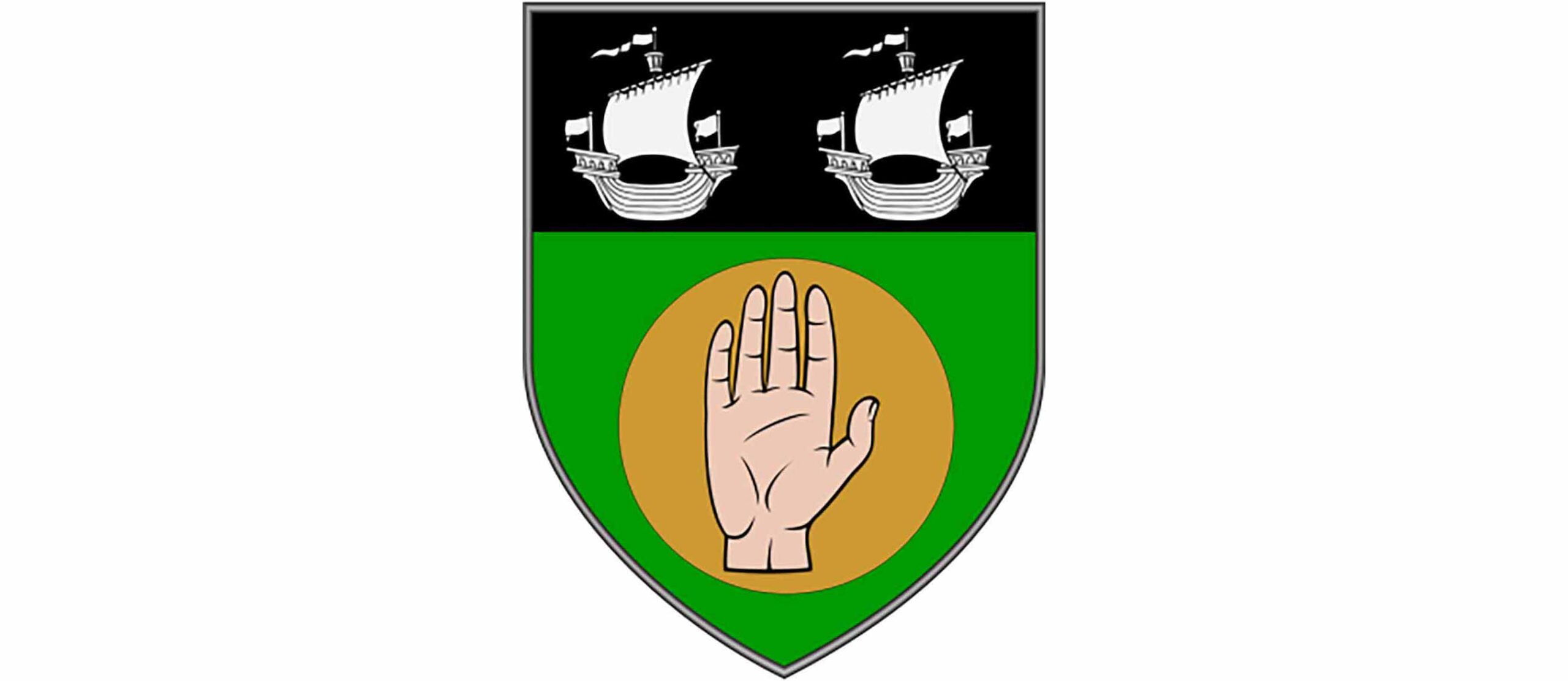
- Stephenstown Pond (Knockbridge): Located near Knockbridge, Stephenstown Pond is a serene nature reserve with a tranquil lake surrounded by woodlands and a newly renovated playground. Visitors can enjoy peaceful walking trails, observe waterfowl like herons, and take in the haunting views of the derelict Stephenstown House. The on-site café offers local treats, making it a relaxing stop for families or those seeking calm scenery. Its off-the-radar status ensures a quiet visit, ideal for nature lovers.
- Jumping Church of Kildemock (Ardee): Near Ardee, this 14th-century church ruin is famous for a local legend claiming its west wall “jumped” in 1715 to exclude the grave of an excommunicated parishioner. The small, atmospheric site, set in a quiet graveyard, offers a quirky glimpse into Louth’s folklore. Its remote location and unusual story make it a fascinating stop for those intrigued by Ireland’s mystical tales.
- Magic Road (Jenkinstown): In Jenkinstown, the “Magic Road” is a legendary spot where cars in neutral appear to roll uphill, defying gravity, at a point known as “the Big Mushroom.” This quirky phenomenon, likely an optical illusion, draws curious visitors to this unassuming rural lane. The surrounding Cooley Peninsula offers scenic views, and nearby Carlingford Adventure Centre provides activities like rock-climbing and zorbing for thrill-seekers. A unique, low-key attraction for a memorable experience.
- Proleek Dolmen (Ballymascanlan): On the grounds of the Ballymascanlan Hotel near Dundalk, this Neolithic dolmen, dating back to 3000 BC, is a hidden gem linked to the legend of a Scottish giant, Para Bui Mor MhacSeoidin, who challenged Finn McCool. The massive capstone, balanced on three upright stones, sits in a peaceful field with views of the Cooley Mountains. Less visited than Newgrange, it’s perfect for those seeking ancient history in a quiet setting.
- Ravensdale River and Forest (Ravensdale): Hidden in the foothills of the Cooley Mountains, the Ravensdale River flows through a lush forest with quiet walking trails. This serene spot offers stunning views of the surrounding hills and opportunities to spot wildlife like deer and birds. Far less crowded than the Carlingford Greenway, it’s ideal for hikers and nature enthusiasts seeking solitude in Louth’s wild landscapes.
- Clochafarmore Standing Stone (Philipstown): This 3-meter-tall standing stone near Ardee, known as “Cloch an Fhir Mhóir” (Stone of the Big Man), is tied to the legend of Cú Chulainn, who supposedly tied himself to it during his final battle to die standing. Set in a quiet field, the stone offers a tangible link to Ireland’s mythological past. Its remote location ensures a peaceful visit for those exploring Louth’s ancient stories.
- Castleroche (Dundalk): Perched on a rocky outcrop near Dundalk, the 13th-century Castleroche, built by the de Verdon family, is a ruined castle with magnificent views of the surrounding countryside. Less visited than King John’s Castle in Carlingford, its rugged setting and crumbling walls offer a hauntingly beautiful experience. Note that parking can be challenging, so plan to walk a short distance. Perfect for history buffs seeking solitude.
- Annagassan Viking Village (Annagassan): In the coastal village of Annagassan, archaeological remains of a 9th-century Viking settlement, discovered in 2010, offer a glimpse into Louth’s Norse history. The site, near the River Glyde, is less developed for tourism than larger Viking attractions, but guided tours (available seasonally) provide insights into this hidden history. The quiet village and nearby beach add to the serene, off-the-grid appeal.
- Termonfeckin High Cross and Castle (Termonfeckin): In the quaint village of Termonfeckin, a 9th-century high cross in the local graveyard and the nearby 15th-century tower house (private but viewable from outside) are hidden historical gems. The high cross, less ornate than Monasterboice’s but equally ancient, sits in a peaceful setting. The village’s proximity to Clogherhead’s beach makes it a great stop for a quiet day trip.
- Flagstaff Viewpoint (Cooley Peninsula): On the Cooley Peninsula, Flagstaff Viewpoint offers sweeping vistas of Carlingford Lough, the Mourne Mountains, and the Irish Sea. A short 3km detour from the Carlingford-Newry road, this quiet spot is perfect for photography or a reflective pause. Less frequented than Slieve Foye, it’s ideal for those seeking stunning scenery without the hike.
General Tips for Visiting
- Getting Around: A car is highly recommended for exploring Louth’s rural attractions, as public transport is limited. Bus Éireann serves towns like Dundalk and Drogheda (www.buseireann.ie) (www.buseireann.ie), but many sites are remote.
- Weather and Gear: Louth’s coastal and hilly areas can be windy or wet, so wear sturdy shoes and layered clothing, especially for hikes like Ravensdale or visits to exposed sites like Castleroche.
- These off-the-beaten-track attractions in County Louth offer a mix of mythological intrigue, ancient history, and natural beauty, ensuring a peaceful and authentic experience in Ireland’s “Wee County.” For more information, visit www.visitlouth.ie or www.discoverireland.ie.
Louth:
Introduction – 1837 – Adventure – Anthem – Archaeology – Attractions – Awards – Birdwatching – Castles – Churches – Contact list – Cycling – Dining – Equestrian – Festivals – Fishing – Folklore – Golf – Graveyards – Happening – Haunted – Highest – Hiking – History – Holy Wells –Hotels – Hotels8 – Instagrammable – Itineraries – Largest town – Luxury – MICE – Movies – Musicians – Name – Novelists – Off the beaten track – Poets – Pubs – Quotes – Random Facts – Restaurant Awards – Saints – Spas – Sports – Sunsets – Sustainable – Things to do – Towns – Video – Villages – Walking – Wanderlist – Weddings – Wild swimming – Writers
Off the Beaten Track
Antrim – Armagh – Carlow – Cavan – Clare – Cork – Derry – Donegal – Down – Dublin – Fermanagh – Galway – Kerry – Kildare – Kilkenny – Laois – Leitrim – Limerick – Longford – Louth – Mayo – Meath – Monaghan – Offaly – Roscommon – Sligo – Tipperary – Tyrone – Waterford – Westmeath – Wexford – Wicklow