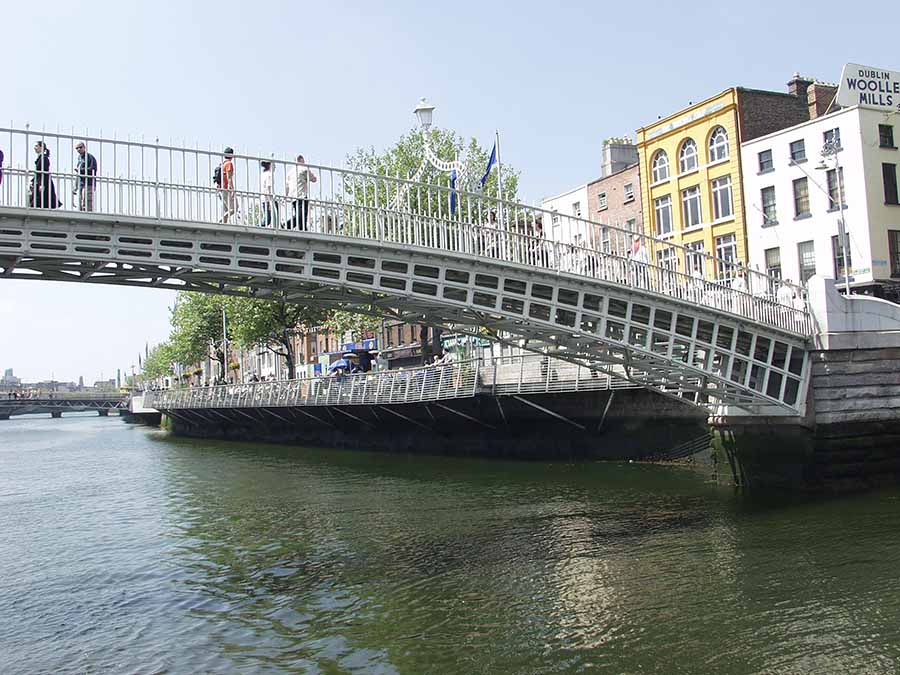
County Dublin, outside the vibrant capital city, encompasses the administrative areas of Fingal, South Dublin, and Dún Laoghaire–Rathdown, offering a mix of coastal charm, historic sites, scenic landscapes, and quaint villages. This region, part of the Greater Dublin Area, is bordered by the Dublin Mountains, Wicklow Mountains, and the Irish Sea, providing diverse experiences for visitors. Dublin is Ireland’s third smallest county by size (922 square km) and, counting the city, the largest by population (1,458,154). Dublin is also Ireland’s most visited tourist county by a margin, with around four million international visitors per year. In terms of hospitality,
Coastal Villages and Scenic Trails:
- Howth: A picturesque fishing village on the Howth Peninsula, known for its cliff walks, bustling harbor, and seafood restaurants. Visitors can hike the Howth Cliff Path Loop for stunning sea views, visit Howth Castle, or take boat tours to spot seals and seabirds. The village’s vibrant market offers local produce and crafts, while its proximity to Dublin Bay makes it ideal for coastal walks.
- Dalkey: Often called Ireland’s “Amalfi” for its riviera-like vibe, Dalkey boasts a charming heritage town with Dalkey Castle (dating from 1390), where living history actors bring the past to life. The Dalkey Coastal Trail offers scenic strolls, and visitors can enjoy kayaking or spot seals lounging on rocks. The village’s celebrity appeal (home to figures like Bono and Enya) adds a touch of glamour.
- Malahide: Home to the 12th-century Malahide Castle and Gardens, set within a 260-acre demesne. Visitors can explore the castle’s furnished rooms, stroll through its butterfly house, or enjoy the expansive parkland. The village itself offers boutique shops, cozy pubs, and a marina, with easy access to Malahide Beach.
- Skerries: A serene coastal town with sandy beaches, historic windmills, and a working harbor. Visitors can walk the Skerries Coastal Path, visit the Skerries Mills for a glimpse into 16th-century milling, or enjoy fresh seafood at local eateries. The town’s relaxed vibe is perfect for a day trip.
Natural Beauty and Outdoor Activities:
- Dublin Bay UNESCO Biosphere: Spanning the coastline from Howth to Dún Laoghaire, this biosphere offers coastal walks, birdwatching, and sea-swimming opportunities. Visitors can explore Bull Island’s North Bull Wall, a haven for migratory birds, or take a dip at Dollymount Strand.
- Dublin Mountains: Located in South Dublin and Dún Laoghaire–Rathdown, these low mountains (part of the Wicklow range) are ideal for hiking. The Dublin Mountains Way features trails like the Fairy Castle Loop, offering panoramic views of Dublin Bay. Popular spots include Ticknock Forest and the Hellfire Club, a historic hunting lodge with eerie folklore.
- Phoenix Park (Edge of County Dublin): While partially within the city, this massive 1,750-acre park extends into the county and is one of Europe’s largest enclosed urban parks. Visitors can see wild fallow deer, visit Dublin Zoo, explore Victorian Flower Gardens, or cycle through its trails. Note: Feeding deer is discouraged to prevent disease and competition.
Historical and Cultural Sites:
- Glasnevin Cemetery: Ireland’s largest cemetery, located in Fingal, is a historical treasure with over 1.5 million burials, including notable figures like Michael Collins and Daniel O’Connell. Guided tours offer insights into Ireland’s history, and the adjacent National Botanic Gardens feature rare plants in beautifully restored glasshouses.
- Ardgillan Castle and Demesne: In Balbriggan, this 18th-century castle offers guided tours for €5.50, showcasing its period interiors and 194-acre estate with sea views. The castle grounds include a rose garden, woodland walks, and a playground, making it family-friendly.
- Newbridge House and Farm: In Donabate, this 18th-century Georgian mansion offers tours of its elegant interiors and a working farm where visitors can interact with animals. The estate’s parkland is perfect for picnics, and its Coach House hosts seasonal events.
- Rathfarnham Castle: In South Dublin, this 16th-century fortified house provides a glimpse into Elizabethan life with guided tours and exhibitions. Its grounds are ideal for leisurely walks.
Adventure and Leisure:
- Howth Adventures: Offers walking, hiking, e-biking, and boat trips on the Howth Peninsula, catering to outdoor enthusiasts seeking guided experiences.
- Dún Laoghaire Pier: A popular spot for strolls, with views of Dublin Bay and access to water activities like kayaking or paddleboarding. The nearby People’s Park hosts a Sunday market with local crafts and food.
- Rock Climbing in Dalkey Quarry: A unique activity for adventure seekers, this granite quarry in Dún Laoghaire–Rathdown offers climbing routes with coastal views.
Culinary and Social Scene:
- The region’s coastal villages like Howth, Malahide, and Dalkey are renowned for seafood, with restaurants serving fresh oysters, cod, and plaice. Traditional pubs like the Man O’War in Balbriggan (dating to 1595) offer local brews and hearty meals.
- Markets, such as the Bremore Castle Food & Craft Market in Balbriggan, provide opportunities to sample artisanal goods and engage with locals.
What’s New for 2026 in County Dublin (Outside the City)
- Balbriggan’s Tourism Transformation: This coastal town in Fingal is undergoing a €28 million revitalization to become a major tourism hub by late 2026. Key developments include enhancements to the Harbour and Quay Street, focusing on its historic fishing industry. New boathouses may introduce additional boat tours on the Irish Sea, and the Bracken Court Hotel is set to benefit from its proximity to these upgrades. Balbriggan’s beaches and castles, like Ardgillan and Bremore, are being promoted as key attractions, making it a rising star for 2026.
- Dublin Coastal Trail Enhancements: The Dublin Coastal Trail, stretching from Skerries to Killiney, is seeing increased promotion in 2026. New signage, improved trail access, and guided tours are being introduced to highlight coastal villages like Malahide, Portmarnock, and Howth. These updates aim to make the trail more accessible for walkers and cyclists, with added focus on eco-tourism and wildlife spotting.
- Inclusion and Integration Week (May 23–June 1, 2026): Hosted across County Dublin, this event celebrates diversity with seminars, creative workshops, guided walks, and performances. It’s a new opportunity for visitors to engage with local communities in Fingal, South Dublin, and Dún Laoghaire–Rathdown, offering cultural immersion through accessible events.
- Bord Bia Bloom Festival (May 29–June 2, 2026): Held in Phoenix Park, this popular gardening and lifestyle festival celebrates its 19th year in 2026. New for this year are expanded sustainability-focused exhibits and workshops, showcasing eco-friendly gardening and local food producers. The 70-acre event is a major draw for visitors seeking a blend of nature and culture.
Visitor Tips for 2026:
- Best Time to Visit: May and September offer mild weather and fewer crowds, ideal for exploring coastal trails and outdoor attractions. March brings St. Patrick’s Festival events to the county (March 15–17), while summer (June–August) is peak season with higher prices.
- Getting Around: The DART (Dublin Area Rapid Transit) connects coastal towns like Howth, Malahide, and Dún Laoghaire to Dublin city, with stations in Bray and Greystones (County Wicklow) nearby. A Leap Visitor Card (€8–€32 for 1–7 days) provides unlimited travel on DART, buses, and Luas trams. Driving is recommended for remote areas like the Dublin Mountains.
- Accommodation: Stay in coastal villages like Howth or Dalkey for charm, or opt for budget-friendly options in Balbriggan or Swords. Book early for festivals like Bord Bia Bloom or St. Patrick’s events, as hotels fill up quickly.
- Accessibility: Many attractions, like Glasnevin Cemetery and Malahide Castle, offer wheelchair access. Coastal trails are being upgraded for better accessibility in 2026.
County Dublin outside the city offers a perfect blend of natural beauty, history, and emerging attractions in 2026, with Balbriggan’s transformation and enhanced coastal experiences leading the way.
Dublin:
Introduction – Adventure – Anthem – Archaeology – Attractions – Awards – Birdwatching – Camping – Castles – Churches – Contact list – Cycling – Dining – Equestrian – Festivals – Fishing – Folklore – Gardens – Golf – Graveyards – Happening – Haunted – Highest – Hiking – History – Holy Wells – Hotels – Hotels top 8 – Hunting & shooting – Instagrammable – Itineraries – Largest town – Luxury – MICE – Movies – Music – New – Name – Novelists – Off the beaten track – Poets – Pubs – Quotes – Random Facts – Restaurant Awards – Sacred Places – Saints – Songs – Spas – Sports – Sunsets – Sustainable – Things to do – Towns – Video – Villages – Walking – Wanderlist – Weddings – Wild swimming – Writers – 1837 – 1846 – 1852 – 1909 – 1955 – 1980 –
Destination Guide
Antrim – Armagh – Carlow – Cavan – Clare – Cork – Derry – Donegal – Down – Dublin – Fermanagh – Galway – Kerry – Kildare – Kilkenny – Laois – Leitrim – Limerick – Longford – Louth – Mayo – Meath – Monaghan – Offaly – Roscommon – Sligo – Tipperary – Tyrone – Waterford – Westmeath – Wexford – Wicklow