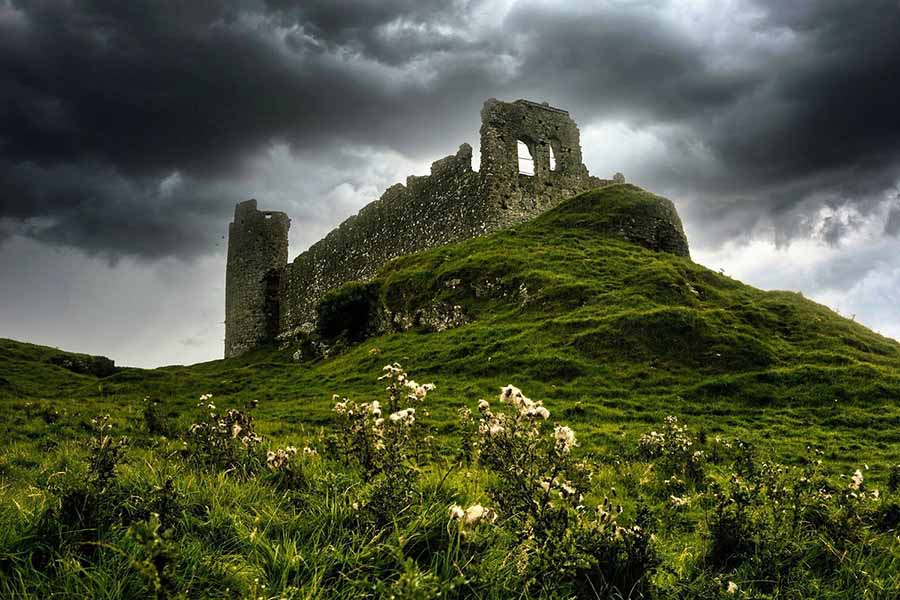
County Louth, in the east of Ireland, is Ireland’s smallest county but offers diverse landscapes including coastal areas, the Boyne Valley, rolling farmlands, woodlands, and proximity to wetlands.
These support clay pigeon shooting as the most prominent and accessible option for visitors, with established ranges providing supervised sessions suitable for beginners, groups, corporates, stag/hen parties, and families. Live game shooting (e.g., rough or walked-up for woodcock, snipe, duck, or woodpigeon) occurs informally in suitable rural or coastal habitats, arranged privately with landowners or guides, though no major driven pheasant or partridge estates are prominently featured within the county.
The area’s location near both Dublin and Belfast makes it convenient for day trips or short holidays, often combined with attractions like the Cooley Peninsula, Carlingford Lough, or historic sites in Drogheda and Dundalk. Clay disciplines include Down the Line, Sporting, Skeet, and others. Shooting seasons follow National Parks & Wildlife Service (NPWS) Open Seasons Orders (e.g., woodcock/snipe from 1 November to 31 January; duck from 1 September to 31 January; woodpigeon often year-round under general licences). All activities require private or authorised land permission, with a strong focus on safety and conservation. Advance booking is recommended.
Prominent Locations
Louth’s shooting centres on clay pigeon facilities, with potential for private rough shooting in the countryside.
- Ardee Clay Pigeon Club: Located on the Cavan Road near Dundalk (just off the M1 motorway, about 5 minutes from junction 16), this club offers clay pigeon shooting with various disciplines and layouts. It’s welcoming for newcomers and experienced shooters alike, providing an opportunity to try the sport in a friendly, rural setting. The club hosts regular shoots and is ideal for casual visits or practice.
- General Countryside and Coastal Areas: Rural farmlands, woodlands, and coastal zones (e.g., around Carlingford Lough or the Boyne estuary) support informal rough shooting for migratory woodcock, snipe, duck, or woodpigeon. These are accessed via private arrangements with landowners or local guides, offering low-key, authentic sport in scenic east-coast terrain. Driven game is not a significant feature here.
- Nearby Accessible Ranges: Proximity to North County Dublin venues (e.g., Courtlough Shooting Grounds in Balbriggan, about 30-45 minutes’ drive south) provides additional clay options, often used by Louth visitors for more extensive facilities and disciplines.
Sourcing Tour Operators and DMCs
- Shooting in Louth is typically arranged directly with clubs or privately, but broader Irish agents and DMCs can incorporate clay sessions or rough shooting into holidays, especially for groups.
- Ardee Clay Pigeon Club (Direct): Bookings for clay sessions or shoots are handled directly via the club’s website or contact details, suitable for individuals or groups.
- Adams & Butler: A luxury DMC specialising in bespoke Irish experiences, including country pursuits. They can arrange clay shooting in Louth or source nearby live game opportunities, combining with cultural tours (e.g., Boyne Valley heritage) or coastal activities.
- Wilderness Group (Wilderness Ireland): An experiential DMC offering custom trips across Ireland. They can facilitate Louth-based clay or rough shooting, integrating with outdoor adventures or sightseeing.
- Broader Agents: Platforms like The Big Shoot or activity booking sites list regional clay options (including nearby Dundalk-area venues). The Irish Clay Target Shooting Association (ICTSA) provides directories for affiliated grounds like Ardee. For rough shooting, local guides or landowners are the primary contact.
- Direct enquiries suit private rough arrangements.
Access and Licence Permits
- County Louth is highly accessible, with Dublin Airport (DUB) about 45-60 minutes’ drive south via M1 motorway. Dundalk and Drogheda serve as hubs, with excellent road links; car hire is recommended for rural sites, though taxis or transfers work for club visits. Public buses and trains connect from Dublin to Dundalk/Drogheda, but private vehicles suit shooting groups best. Accommodation includes hotels in Dundalk, Drogheda, or Carlingford.
- In Ireland, supervised clay pigeon shooting at authorised ranges requires no firearms certificate, as venues provide guns/ammunition under strict supervision and Garda compliance.
- Firearms Requirements: For live game shooting (e.g., rough), non-residents need a Non-Resident Firearm Certificate from An Garda Síochána (€40 for 1 year). Apply to the Superintendent of the relevant Garda district (e.g., in Dundalk or Drogheda), submitting proof of good character, a valid home-country licence or hunting permit, and often insurance. EU residents may use a European Firearms Pass where applicable; English visitors provide documentation. Private guides may assist with paperwork or supply equipment. Apply weeks or months in advance via Garda forms.
- Wildlife Licences: NPWS manages open seasons and issues general licences for pest species (e.g., woodpigeon). Standard in-season shooting needs no extra permit; deer stalking (if arranged) follows specific seasons and authorisations. Non-compliance incurs severe penalties.
- Personal insurance for accidents, cancellations, or weather is advised. Strictly follow instructor or guide safety rules and confirm current regulations with Garda or NPWS sources before travel. For more extensive live shooting, consider nearby counties via DMC arrangements.
Hunting and Shooting locations
Antrim – Armagh – Carlow – Cavan – Clare – Cork – Derry – Donegal – Down – Dublin – Fermanagh – Galway – Kerry – Kildare – Kilkenny – Laois – Leitrim – Limerick – Longford – Louth – Mayo – Meath – Monaghan – Offaly – Roscommon – Sligo – Tipperary – Tyrone – Waterford – Westmeath – Wexford – Wicklow
County Louth:
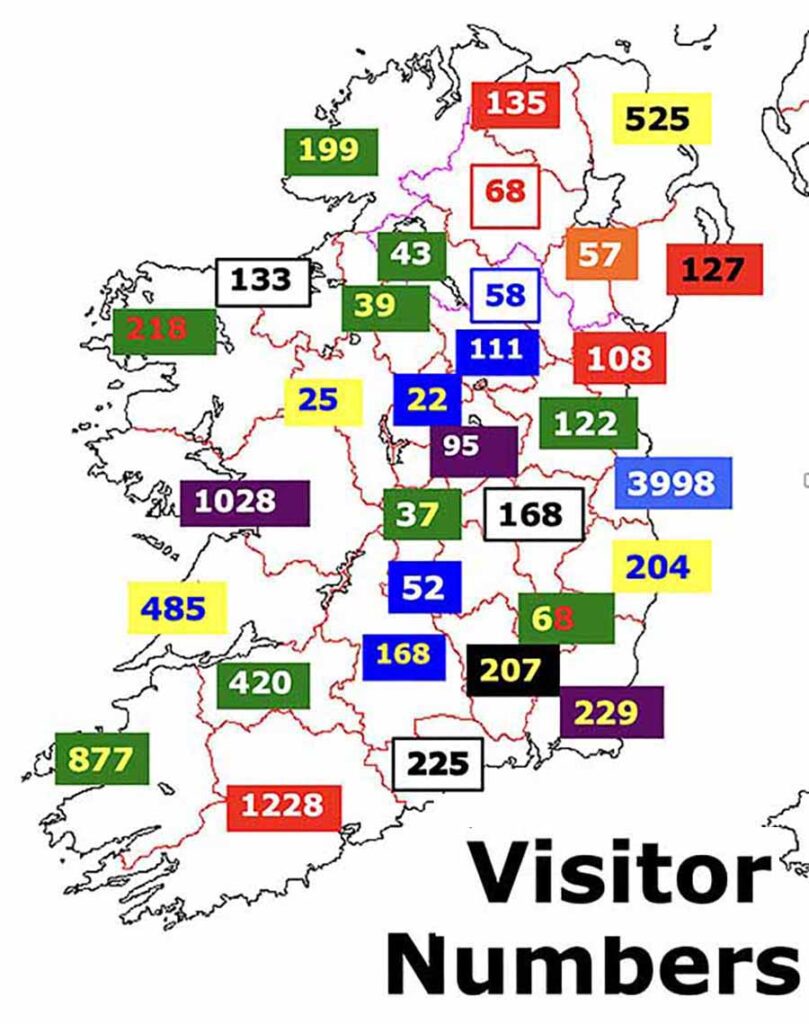
Ireland’s county Louth is a county of historic depth and coastal beauty, with Drogheda’s St Peter’s Church housing a historic shrine and the Boyne Valley offering ancient sites like Newgrange, a UNESCO-listed passage tomb just over the border in county Meath. Carlingford’s medieval streets and castle provide scenic walks, while Dundalk’s coastal paths add natural allure. Other attractions include the Cooley Peninsula’s hiking trails. Louth is Ireland’s smallest county by size (821 sq km) and 17th largest by population (139,703). Population peaked at 128,240 in 1841 and reached its lowest point, 63,665 in 1926. In terms of hospitality, Louth is Ireland’s 21st most visited tourist county with around 108,000 international visitors per year.
Introduction – Adventure – Anthem – Archaeology – Attractions – Awards – Birdwatching – Camping – Castles – Churches – Contact list – Cycling – Dining – Equestrian – Festivals – Fishing – Folklore – Gardens – Golf – Graveyards – Happening – Haunted – Highest – Hiking – History – Holy Wells – Hotels – Hotels top 8 – Hunting & shooting – Instagrammable – Itineraries – Largest town – Luxury – MICE – Movies – Music – Name – New – Novelists – Off the beaten track – Poets – Pubs – Quotes – Random Facts – Restaurant Awards – Sacred Places – Saints – Songs – Spas – Sports – Sunsets – Sustainable – Things to do – Towns – Video – Villages – Walking – Wanderlist – Weddings – Wild swimming – Writers – 1837 – 1846 – 1852 – 1909 – 1955 – 1980 –