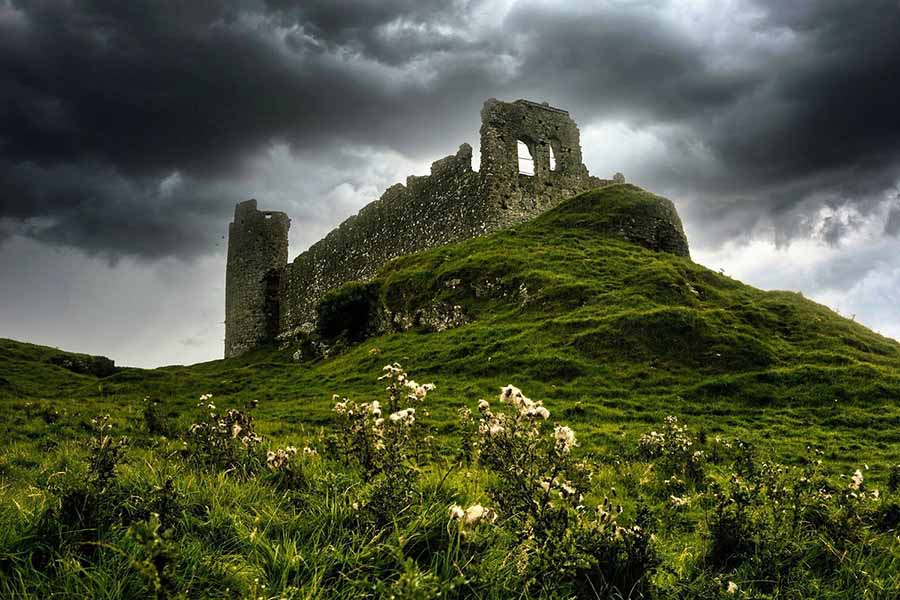
County Louth, Ireland’s smallest county, offers a delightful blend of historic landmarks, scenic coastlines, and cultural treasures for travellers seeking a rewarding escape. With its rolling hills, medieval ruins, and welcoming towns, Louth provides a rich array of experiences. From ancient monastic sites to coastal trails and vibrant urban centres, this county invites visitors to discover its attractions at their own pace.
Drogheda, a historic town on the River Boyne, is home to St Peter’s Church, housing the preserved head of St Oliver Plunkett, a 17th-century martyr. Visitors can explore the church’s Gothic interior, wander the town’s medieval streets, and visit the Millmount Museum, a fort with exhibits on local history. The town’s riverside walks and lively pubs create a warm atmosphere for exploration.
Mellifont Abbey, near Collon, is a 12th-century Cistercian ruin, Ireland’s first of its kind. Visitors can wander the octagonal lavabo and stone cloisters, with interpretive signs detailing its monastic past. The surrounding meadows and River Mattock offer a peaceful setting, perfect for those seeking a quiet historical retreat.
Carlingford, a coastal village, blends medieval heritage with scenic beauty. Visitors can explore Carlingford Castle, a 13th-century ruin, or walk the Táin Way, a trail offering views of Carlingford Lough and the Mourne Mountains. The village’s cobbled streets, lined with cosy cafés and historic pubs, create a welcoming base for outdoor enthusiasts and history lovers.
Monasterboice, near Drogheda, is a 5th-century monastic site renowned for its high crosses. Visitors can admire the 10th-century Muiredach’s Cross, with its intricate biblical carvings, and climb the round tower for views of the Boyne Valley. The site’s serene graveyard and ancient stones make it a compelling stop for those interested in early Christian history.
The Boyne Valley, a UNESCO World Heritage contender, is dotted with prehistoric and medieval sites. Visitors can explore Oldbridge Estate, home to the Battle of the Boyne visitor centre, with exhibits on its 1690 history. Walking trails along the river and nearby canals offer peaceful routes, with opportunities to spot wildlife in the lush surroundings.
Proleek Dolmen, near Dundalk, is a 5,000-year-old portal tomb with a 40-tonne capstone. Visitors can walk a short path to the dolmen, set in a scenic field, and learn about its Neolithic origins through on-site signs. The nearby Ballymascanlan House grounds provide tranquil walks, blending archaeology with natural beauty.
Dundalk, Louth’s largest town, offers a mix of history and modern attractions. Visitors can explore the County Museum, housed in a restored distillery, with displays on Louth’s industrial and cultural past. The town’s Bell Tower, part of St Patrick’s Cathedral, offers panoramic views, while its lively pubs and restaurants create a welcoming vibe.
Slieve Foye, the highest peak in the Cooley Mountains, offers rewarding hikes with views over Carlingford Lough. Visitors can follow trails through heather-clad slopes, spotting wild goats and seabirds. The Cooley Peninsula’s cycling routes and nearby beaches, like Templetown, provide a scenic backdrop for outdoor adventures.
Ardee Castle, a 13th-century tower house in Ardee town, is one of Ireland’s largest medieval townhouses. Visitors can view its exterior, with guided tours occasionally available to explore its stone interiors. The town’s heritage trail, including Hatch’s Castle, offers a leisurely walk through Louth’s medieval past, with cafés adding a relaxed stop.
Beaulieu House, near Drogheda, is a 17th-century Dutch-style mansion with public access to its gardens and occasional house tours. Visitors can wander through formal flowerbeds and wooded trails, enjoying views of the River Boyne. The estate’s serene setting and historic architecture make it a peaceful retreat for garden and history enthusiasts.
County Louth’s mix of ancient sites, coastal beauty, and cultural hubs creates a rewarding destination. Whether exploring medieval ruins, hiking scenic trails, or strolling lively towns, travellers will find plenty to enjoy in this inviting corner of Ireland.
County Louth:
Ireland’s county Louth is a county of historic depth and coastal beauty, with Drogheda’s St Peter’s Church housing a historic shrine and the Boyne Valley offering ancient sites like Newgrange, a UNESCO-listed passage tomb. Carlingford’s medieval streets and castle provide scenic walks, while Dundalk’s coastal paths add natural allure. Other attractions include the Cooley Peninsula’s hiking trails. Louth is Ireland’s smallest county by size (821 sq km) and 17th largest by population (139,703). Population peaked at 128,240 in 1841 and reached its lowest point, 63,665 in 1926. In terms of hospitality, Louth is Ireland’s 21st most visited tourist county with around 108,000 international visitors per year.
Introduction – Adventure – Anthem – Archaeology – Attractions – Awards – Birdwatching – Camping – Castles – Churches – Contact list – Cycling – Dining – Equestrian – Festivals – Fishing – Folklore – Gardens – Golf – Graveyards – Happening – Haunted – Highest – Hiking – History – Holy Wells – Hotels – Hotels8 – Instagrammable – Itineraries – Largest town – Luxury – MICE – Movies – Musicians – Name – New – Novelists – Off the beaten track – Poets – Pubs – Quotes – Random Facts – Restaurant Awards – Sacred Places – Saints – Spas – Sports – Sunsets– Sustainable – Things to do – Towns – Video – Villages – Walking – Wanderlist – Weddings – Wild swimming – Writers – 1837 – 1846 – 1852 – 1909 – 1955 – 1980 –
Things to do
Antrim – Armagh – Carlow – Cavan – Clare – Cork – Derry – Donegal – Down – Dublin – Fermanagh – Galway – Kerry – Kildare – Kilkenny – Laois – Leitrim – Limerick – Longford – Louth – Mayo – Meath – Monaghan – Offaly – Roscommon – Sligo – Tipperary – Tyrone – Waterford – Westmeath – Wexford – Wicklow