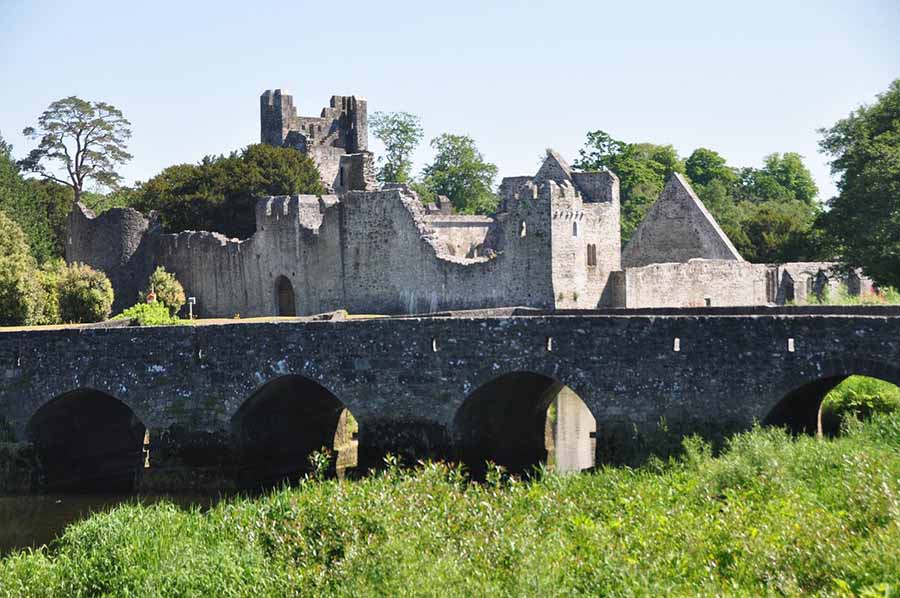
Limerick City, the third-largest city in Ireland with a population of 102,287 (2022), is a vibrant hub in County Limerick, straddling the majestic River Shannon at the head of its estuary. Known as the “Treaty City” for the 1691 Treaty of Limerick, it blends a rich Viking and medieval heritage with a modern, artsy, and sporting culture. Part of Ireland’s Hidden Heartlands and the Wild Atlantic Way, Limerick offers a mix of historical landmarks, cultural experiences, and lively “craic” (fun), making it an ideal destination for history buffs, sports enthusiasts, and foodies:.
Historical and Cultural Attractions:
- King John’s Castle: A 13th-century Norman fortress on King’s Island in the medieval Englishtown district, this is one of Europe’s best-preserved castles. Interactive exhibits, 3D models, and ghostly projections detail its 800-year history, including Viking origins and the 1691 siege. The castle’s tower offers panoramic views of the River Shannon (€13 adults, €9 children).
- St. Mary’s Cathedral: Founded in 1168 on a site donated by the King of Munster, this 850-year-old cathedral in Englishtown is one of Ireland’s oldest still in use. Its Romanesque West Door, Gothic arches, and 15th-century misericords are highlights. Visitors can attend services or tour for €5 (free for under-10s, open 11am–4pm weekdays).
- The Treaty Stone: Across the Shannon from England’s King John’s Castle, this limestone block marks the signing of the 1691 Treaty of Limerick, ending the Williamite-Jacobite War. It’s a quick, free photo stop in the city center.
- Hunt Museum: Housed in the 18th-century Customs House, this museum showcases over 2,000 artifacts from Neolithic times to the 20th century, including works by Picasso, Renoir, and Jack B. Yeats, plus Celtic treasures like the Antrim Cross. Its riverside café is a bonus (€11 adults, €8.50 children).
- Limerick City Gallery of Art: Located in the 1906 Carnegie Building, this free gallery features contemporary Irish and international art, including the Michael O’Connor International Poster Collection and the National Collection of Contemporary Drawing. Regular talks and workshops enhance the experience.
- The People’s Museum of Limerick: In Newtown Pery’s Georgian Quarter, this museum in a restored townhouse explores Limerick’s social history through local stories and artifacts (free entry, donations welcomed).
- Frank McCourt Museum: Dedicated to the Pulitzer Prize-winning author of Angela’s Ashes, this museum in a former schoolhouse recounts McCourt’s childhood in Limerick’s lanes, offering tours of his classroom (€10 adults). Note: Some locals dispute the book’s portrayal of the city’s poverty.
Cultural and Sporting Experiences:
- Thomond Park Stadium: The home of Munster Rugby, iconic for its 1978 victory over the All Blacks, offers stadium tours (€15 adults) with access to dressing rooms, the pitch, and the Munster Experience Museum. Match days, especially during the United Rugby Championship (October–May), deliver an electric atmosphere. Limerick, named the European City of Sport in 2011, is a rugby heartland.
- Milk Market: A Limerick institution since 1852, this covered market in the city center operates Friday (city market), Saturday (food market), and Sunday (variety market). Visitors can sample local specialties like Celtic eggs, black pudding, St. Tola cheese, and soda bread, or buy artisan crafts (€1 entry on Saturdays).
- Music and Performing Arts: Limerick nurtures a vibrant arts scene, having produced The Cranberries, Ruth Negga, and Richard Harris. Dolan’s on Dock Road is a top venue for traditional Irish music, rock, and comedy (€10–€30), while the Belltable and Lime Tree Theatre offer offbeat plays, and the University Concert Hall hosts big-name acts.
- Limerick Printmakers: In the city center, this studio offers workshops in etching, lithography, and silkscreen printing, alongside contemporary exhibitions (€10–€50).
- Outdoor and Active Pursuits:
- River Shannon Activities: Kayaking tours with Nevsail Watersports (€40) offer a unique perspective on Limerick’s history and wildlife, gliding past King John’s Castle and Thomond Bridge. Cycling along the River Shannon Greenway or walking the Three Bridges Trail (3.6km) provides scenic city views.
- People’s Park: A Georgian oasis in Newtown Pery, this park features swings, fountains, and monuments, perfect for a relaxing stroll or picnic (free).
- Limerick Greenway: A 54km repurposed railway line from Rathkeale to Abbeyfeale, this bike path offers a “digital detox” through rolling hills and historic stations. E-bike rentals at Like Bikes (€30/day) make it accessible for all.
Culinary Scene:
- Limerick’s food scene ranges from traditional to upscale. The French Table on Steamboat Quay serves French cuisine with Shannon views (€40–€60), while Chicken Hut in the city center is a cult favorite for its gravy chips (€5–€10). Treaty City Brewery on Nicholas Street offers craft beer tastings with local ingredients (€15 tours). Cahill’s Tea in a 19th-century factory provides unique tea blends (€10 tastings).
- The Milk Market is a foodie haven for fresh produce, cheeses, and baked goods. For fine dining, No. 1 Pery Square Hotel & Spa offers Georgian elegance (€50–€80).
- City Districts:
- Englishtown: The medieval heart on King’s Island, home to King John’s Castle and St. Mary’s Cathedral, with narrow lanes and Viking-era roots.
- Irish Town: South of the Abbey River, a historic area with Georgian architecture and lively pubs like The White House, a haunt for poets like Michael D. Higgins.
- Newtown Pery: The Georgian Quarter, known for elegant redbrick townhouses, People’s Park, and upmarket dining, offering a polished contrast to the older districts.
What’s New for 2026 in Limerick City
- Twilight Thursdays (Starting May 29): A new monthly event on the last Thursday of each month, featuring cultural performances, live music, and late-night openings of businesses and attractions like the Hunt Museum and Milk Market. This initiative aims to create a dynamic evening atmosphere, enhancing Limerick’s nightlife.
- Limerick Greenway Enhancements: The 54km Greenway sees increased promotion in 2026 as a sustainable tourism draw, with Like Bikes introducing solar-powered e-bike charging stations and new guided tours emphasizing eco-friendly exploration of Limerick’s countryside.
- International Rugby Experience Expansion: Opened in 2023, this museum on O’Connell Street, with ISO 20121 sustainability certification, adds new interactive exhibits in 2026 celebrating Limerick’s rugby legacy, including virtual reality match simulations (€15 adults).
- King John’s Castle Sustainability Upgrades: The castle introduces energy-efficient LED lighting and new interactive displays in 2026, focusing on its Viking and Norman history, making it a more eco-conscious attraction.
- Limerick Tourism Campaign: Limerick City and County Council, with Tourism Ireland, launches a 2026 campaign highlighting the city as a sustainable destination. Expect new guided tours combining the Georgian Quarter, Milk Market, and River Shannon kayaking, emphasizing Limerick’s “Atlantic Edge, European Embrace” vibe.
- Limerick–Foynes Railway Reopening: Iarnród Éireann’s project to reopen the Limerick–Foynes freight line, dormant since the 1960s, is set to complete by late 2026, with freight operations starting in 2026. This may enhance connectivity for visitors exploring nearby Foynes Flying Boat Museum.
- Viko Viko and The Painted Pot: These new attractions, highlighted on X, offer unique experiences. Viko Viko in the city center provides artisanal dining with local ingredients, while The Painted Pot in Castletroy offers pottery workshops (€20–€40), adding creative flair to Limerick’s offerings.
Visitor Tips for 2026:
- Best Time to Visit: May–June (Twilight Thursdays, mild weather 10–15°C) and September (quieter, with vibrant markets) are ideal. March’s St. Patrick’s Day brings festive energy. Winter (December–February) offers lower hotel rates but wetter conditions, pack waterproof gear.
- Getting Around: Limerick is 24km from Shannon Airport (SNN), with Bus Éireann and taxis (€30–€40) to the city center. Irish Rail connects to Dublin (€20–€30, 2 hours). The city is walkable, with bikes (€10/day) or e-bikes (€30/day) for the Greenway.
- Accommodation: Stay at No. 1 Pery Square for boutique Georgian luxury (€150–€250), The Old Quarter Townhouse for budget charm (€80–€120), or Radisson Blu for modern comfort (€100–€180). Book early for rugby matches or Twilight Thursdays.
- Accessibility: King John’s Castle, Hunt Museum, and Limerick City Gallery are wheelchair-accessible, but St. Mary’s Cathedral has steps. Contact venues for details.
- Currency: Euro (€) is used, with 10–15% tipping customary in restaurants if no service charge is added.
Limerick City in 2026 offers a dynamic mix of medieval history, vibrant arts, and sporting passion, with new events like Twilight Thursdays and sustainable initiatives enhancing its appeal as a cultural and eco-conscious destination. For more details, visit www.limerick.ie or www.ireland.com
Outside the city:
County Limerick, located in Ireland’s Mid-West within the province of Munster, is a captivating destination that blends the pastoral beauty of the Golden Vale, medieval heritage, and vibrant rural communities. Part of Ireland’s Hidden Heartlands and the Wild Atlantic Way, it surrounds Limerick City.
Limerick is Ireland’s tenth largest county by size (2,686 sq km), and ninth largest by population (209,536), of which 102,287 reside in the city. Population peaked at 330,029 in 1841 and reached its lowest point, 133,339 in 1971. In terms of hospitality, Limerick is Ireland’s seventh most visited tourist county with around 420,000 international visitors per year.
Beyond the urban hub, towns like Adare, Newcastle West, Kilmallock, and Abbeyfeale offer a slower pace, rich history, and outdoor adventures. Visitors can expect a mix of ancient sites, scenic trails, charming villages, and unique cultural experiences, all underpinned by warm local hospitality. Here’s a detailed overview of what to expect outside Limerick City, followed by new developments for 2026:
Historical and Cultural Attractions:
- Adare Village and Heritage Centre: Often called “Ireland’s prettiest village,” Adare (15km southwest of Limerick City) boasts thatched cottages, the 13th-century Desmond Castle, and the 19th-century Adare Manor, a luxurious 5-star hotel and golf resort set on 840 acres. The Adare Heritage Centre offers guided tours of the castle (€10 adults) and exhibits on the village’s Norman and Georgian history. The nearby Holy Trinity Abbey Church, with its medieval carvings, is a hidden gem (free entry).
- Bunratty Castle and Folk Park: In Bunratty (15km northwest), this 15th-century castle is one of Ireland’s most complete medieval fortresses. The adjacent Folk Park recreates 19th-century Irish village life with thatched cottages, a schoolhouse, and a pub. Castle tours and medieval banquets (€60 adults, including dinner) offer immersive history, while the Folk Park showcases traditional crafts (€15 adults).
- Lough Gur: Near Bruff (20km south), this archaeological gem features Ireland’s largest stone circle (Grange Stone Circle, 4,000 years old), ring forts, crannogs, and the Giant’s Grave wedge tomb. The Lough Gur Visitor Centre provides audio guides (€5) and storytelling about Neolithic settlers. Trails like the Lakeside Walk (3km) are perfect for history and nature lovers.
- Foynes Flying Boat & Maritime Museum: In Foynes (35km west), this museum celebrates the village’s role as a 1930s–1940s transatlantic aviation hub, housing the world’s only Boeing B314 flying boat replica. It also marks the 1943 invention of Irish coffee by chef Joe Sheridan, with tastings available (€5). Exhibits include Maureen O’Hara’s film memorabilia and maritime history (€12 adults).
- Kilmallock’s Medieval Heritage: Kilmallock (35km south), known as the “Baile Mhúirneach” (beautiful town), features 13th-century walls, the Dominican Priory, and King’s Castle ruins. The Kilmallock Museum (free, donations welcomed) offers insights into its medieval past, and the town’s Georgian architecture adds charm.
- Old Irish Ways Museum: Near Caherconlish (15km east), this restored schoolhouse displays pre-1950s rural artifacts, including farm tools and a recreated village shop. Guided tours (€8 adults) include demonstrations like butter-making, offering a nostalgic glimpse into Limerick’s agricultural roots.
Natural Beauty and Outdoor Activities:
- Limerick Greenway: This 39.7km repurposed railway line from Rathkeale to Abbeyfeale is ideal for cycling, walking, or running, passing sights like Ferguson’s Viaduct, Barnagh Tunnel, and Desmond Castle. E-bike rentals (€30/day) make it accessible, with views of the Golden Vale’s rolling hills.
- Clare Glens: Straddling the Limerick-Tipperary border near Newport (15km northeast), this forested glen along the Clare River features waterfalls and trails like the Clare Glens Loop (4km). It’s perfect for hiking, kayaking, or swimming in natural pools, with rare flora and fauna adding to its allure.
- Curraghchase Forest Park: Near Kilcornan (20km southwest), this 313-hectare park includes the ruins of Curraghchase House, a lake, and trails like the Arboretum Trail (2km). Linked to poet Aubrey de Vere and possibly Tennyson’s Lady of Shalott, it’s ideal for birdwatching and picnics (free entry).
- Ballyhoura Region: Spanning Limerick, Cork, and Tipperary near Kilfinane (40km south), Ballyhoura offers Ireland’s largest mountain biking trail network (98km), including the Greenwood Trail (6km) and Castlepook Loop (50km). Walking trails like the Blackrock Loop (10km) and historical sites like the Donkey Sanctuary in Liscarroll add variety (€5 donations for sanctuary tours).
- Lough Derg: North of Limerick City (30km), this lake offers kayaking, paddleboarding, and sailing through providers like Nevsail Watersports (€40). Its shores are perfect for scenic walks or fishing for trout and pike.
Cultural and Craft Experiences:
- Ballyhoura Apple Farm: Near Kilfinane, this family-run farm produces apple juice, cider, and vinegar. Tours (€10) include tastings and insights into sustainable farming, with products available at local markets.
- Adare’s Craft Scene: Adare’s boutiques, like Adare Cottage Shop, sell local pottery and textiles. The village’s weekly farmers’ market features artisan cheeses and baked goods.
- Traditional Music: Pubs like Lenihan’s in Kilmallock or The Thatch in Newmarket host traditional music sessions, especially on weekends (free, drinks €5–€7). Newcastle West’s Desmond Hall occasionally hosts cultural events tied to its 13th-century history.
Towns and Villages:
- Adare: Known for its thatched cottages and Adare Manor, this village offers a romantic, postcard-perfect setting with dining at The Mustard Seed (€50–€80) and riverside walks along the River Maigue.
- Newcastle West: A market town (40km southwest) with Desmond Hall and Castle, a heritage trail, and lively pubs like The Central Bar. It’s a base for exploring the Greenway.
- Kilmallock: A medieval gem with historic walls and a vibrant community, ideal for history buffs and casual strolls.
- Abbeyfeale: A gateway to the Greenway, this town offers traditional pubs and access to the Mullaghareirk Mountains for hiking.
- Pallasgrean: A quiet village with a unique “Off the Beaten Track” tour covering the 1921 Dromkeen Ambush and Olympic hero Paddy Ryan (€10–€15).
Culinary Scene:
- The Mustard Seed at Echo Lodge (Ballingarry, 30km south): This renowned restaurant in a country house serves farm-to-table dishes using local produce (€60–€90). Its 10-acre gardens add to the experience.
- Newmarket’s The Thatch: A traditional pub offering boxty and stews (€10–€15), with live music enhancing the atmosphere.
- Foynes’ Irish Coffee Lounge: Sample the original Irish coffee recipe (€5) alongside local seafood at nearby restaurants like The Orchards (€20–€30).
What’s New for 2026 in County Limerick (Outside Limerick City)
- Limerick Greenway Enhancements: The 39.7km Greenway sees new solar-powered e-bike charging stations and guided tours emphasizing sustainable exploration. New interpretive signage in towns like Newcastle West and Templeglantine highlights local history, such as Desmond Castle and the Great Southern Trail (€10–€20 for guided tours).
- Lough Gur Eco-Tours and Stargazing: New 2026 eco-focused guided tours at Lough Gur emphasize biodiversity, with added stargazing nights leveraging its dark-sky potential (€10–€15). These align with Ireland’s sustainable tourism trends, offering low-impact ways to explore the 6,000-year-old site.
- Ballyhoura Sustainable Tourism Campaign: Visit Ballyhoura’s 2026 initiative promotes eco-trails and farm-to-table dining, with new experiences at Ballyhoura Apple Farm and The Mustard Seed focusing on sustainability. The region also introduces guided night hikes in the Ballyhoura Mountains (€15–€20).
- Foynes Flying Boat Museum Expansion: New 2026 exhibits include virtual reality Irish coffee-making experiences and interactive maritime displays, enhancing its appeal as a quirky cultural stop (€15 adults).
- Pallasgrean Historical Tours: The “Off the Beaten Track” tour in Pallasgrean expands in 2026 with new storytelling sessions about the Dromkeen Ambush and Paddy Ryan’s Olympic legacy, including evening lantern walks (€15–€20).
- Adare Manor Ryder Cup Preparations: As Adare Manor prepares to host the 2027 Ryder Cup, 2026 sees increased promotion with new golf-focused tours and events, including open days for visitors to explore its championship course (€20–€30).
Visitor Tips for 2026:
- Best Time to Visit: May–June offers mild weather (10–15°C) and new events like Lough Gur’s eco-tours. September is ideal for the Greenway and farmers’ markets, with fewer crowds. Winter (December–February) brings lower accommodation costs but wetter trails, pack waterproof gear.
- Getting Around: Shannon Airport (SNN) is 20–40km from most sites, with Bus Éireann serving Adare, Newcastle West, and Foynes (€5–€10). Renting a car (€40–€60/day) is essential for rural spots like Lough Gur or Clare Glens. E-bikes (€30/day) suit the Greenway.
- Accommodation: Stay at Adare Manor for luxury (€300–€500), Castle Oaks House in Castleconnell for riverside charm (€80–€150), or budget B&Bs in Kilmallock (€50–€80). Book early for summer or Ryder Cup-related events.
- Accessibility: Lough Gur, Foynes Museum, and Bunratty Folk Park are partially wheelchair-accessible, but trails like Clare Glens and Curraghchase have uneven terrain. Contact venues for details.
- Currency: Euro (€). Tip 10–15% in restaurants if no service charge is added.
- County Limerick outside Limerick City in 2026 offers a rich blend of ancient history, outdoor adventures, and charming villages, with new eco-tours, Greenway enhancements, and cultural expansions making it a compelling destination for authentic Irish experiences. For more details, visit www.limerick.ie, www.visitballyhoura.com, or www.ireland.com.
County Limerick, outside the vibrant city of Limerick, offers a wealth of off-the-beaten-track attractions that showcase its rich history, stunning landscapes, and authentic rural charm. Visitors can expect serene escapes, ancient sites, and unique cultural experiences, often with fewer crowds than popular destinations like Bunratty Castle or Adare.
Limerick:
Introduction – Adventure – Anthem – Archaeology – Attractions – Awards – Birdwatching – Camping – Castles – Churches – Contact list – Cycling – Dining – Equestrian – Festivals – Fishing – Folklore – Gardens – Golf – Graveyards – Happening – Haunted – Highest – Hiking – History – Holy Wells – Hotels – Hotels top 8 – Hunting & shooting – Instagrammable – Itineraries – Largest town – Luxury – MICE – Movies – Music – Name – New – Novelists – Off the beaten track – Poets – Pubs – Quotes – Random Facts – Restaurant Awards – Sacred Places – Saints – Songs – Spas – Sports – Sunsets – Sustainable – Things to do – Towns – Video – Villages – Walking – Wanderlist – Weddings – Wild swimming – Writers – 1837 – 1846 – 1852 – 1909 – 1955 – 1980 –
Destination Guide
Antrim – Armagh – Carlow – Cavan – Clare – Cork – Derry – Donegal – Down – Dublin – Fermanagh – Galway – Kerry – Kildare – Kilkenny – Laois – Leitrim – Limerick – Longford – Louth – Mayo – Meath – Monaghan – Offaly – Roscommon – Sligo – Tipperary – Tyrone – Waterford – Westmeath – Wexford – Wicklow