- Cúán úa Lothcháin: Associated with Tullyard or Tehallan, near Dundalk, County Louth . (d. 1024): An early Irish-language poet and historian, Cúán úa Lothcháin was chief poet of Ireland during the reigns of Máel Sechnaill mac Domnaill and Brian Boru. His poems, such as those in the Metrical Dindshenchas (Lore of Places), are significant for their onomastic and historical content, celebrating Louth’s landscapes and legends, including the Táin Bó Cúailnge. He was murdered in 1024, possibly at Tehallan, reflecting the turbulent politics of the time.
- Catherine Ann Cullen, born in Drogheda, is an award-winning poet and songwriter. She was the first Poet in Residence at Poetry Ireland.
- Susan Connolly, born in Drogheda in 1956, has published poetry collections. She won the Patrick and Katherine Kavanagh Fellowship in Poetry in 2001.
- Jim Craven (1935–1980), born in Balregan, outside Dundalk, was known as the “Laureate of Louth” or the “Bard of Balregan”.
- Nicholas O’Kearney (c. 1800–1865) was a Gaelic poet, scribe, and Irish-language revivalist born near Dundalk.
- Frances Alice Wynne (1863–1893), born in Collon, Co. Louth, was a poet known for her work Whisper! and other Poems.
- Thomas D’Arcy McGee (1825–1868) was born in Carlingford. He was a poet, journalist, and politician.
- Michael McDermott was born in County Louth in 1949.
- Séamas Dall Mac Cuarta (c. 1650–1732/3) was a prominent Irish-language poet. He was likely born near Omeath.
- Peadar Ó Doirnín (c. 1700–1769) was a poet and hedge schoolmaster. He was likely born at Roskeagh, Faughart.
- John Boyle O’Reilly (1844–1890) was born at Dowth Castle near Drogheda.
Poets
Antrim – Armagh – Carlow – Cavan – Clare – Cork – Derry – Donegal – Down – Dublin – Fermanagh – Galway – Kerry – Kildare – Kilkenny – Laois – Leitrim – Limerick – Longford – Louth – Mayo – Meath – Monaghan – Offaly – Roscommon – Sligo – Tipperary – Tyrone – Waterford – Westmeath – Wexford – Wicklow
County Louth:
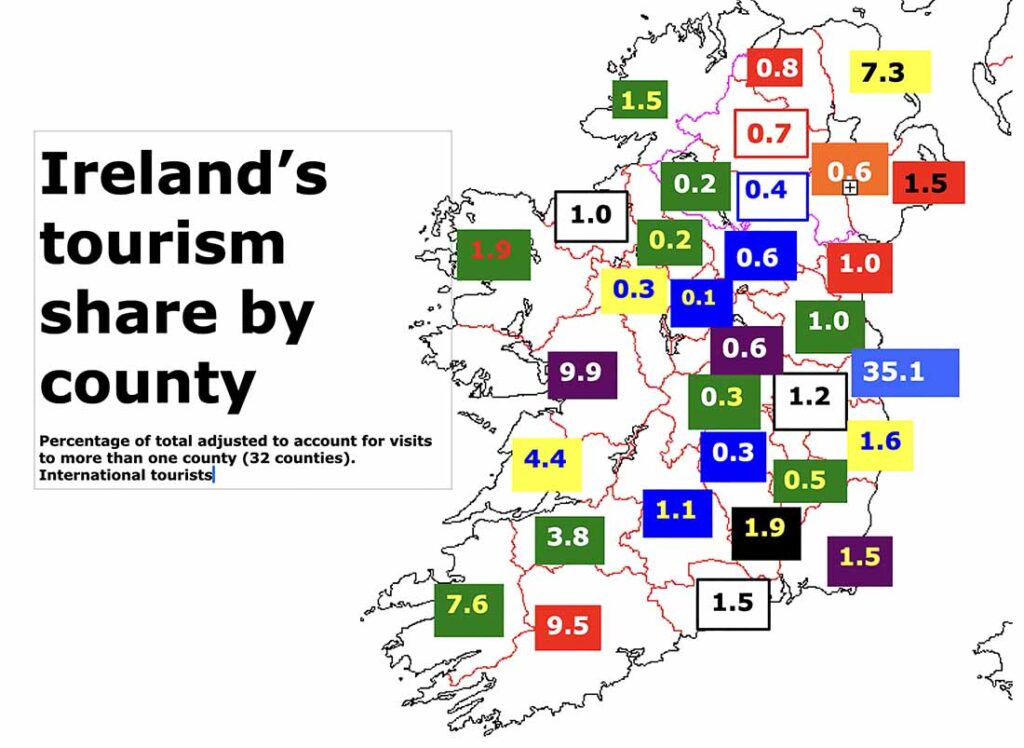
Ireland’s county Louth is a county of historic depth and coastal beauty, with Drogheda’s St Peter’s Church housing a historic shrine and the Boyne Valley offering ancient sites like Newgrange, a UNESCO-listed passage tomb just over the border in county Meath. Carlingford’s medieval streets and castle provide scenic walks, while Dundalk’s coastal paths add natural allure. Other attractions include the Cooley Peninsula’s hiking trails. Louth is Ireland’s smallest county by size (821 sq km) and 17th largest by population (139,703). Population peaked at 128,240 in 1841 and reached its lowest point, 63,665 in 1926. In terms of hospitality, Louth is Ireland’s 21st most visited tourist county with around 108,000 international visitors per year.
Introduction – Adventure – Anthem – Archaeology – Attractions – Awards – Birdwatching – Camping – Castles – Churches – Contact list – Cycling – Dining – Equestrian – Festivals – Fishing – Folklore – Gardens – Golf – Graveyards – Happening – Haunted – Highest – Hiking – History – Holy Wells – Hotels – Hotels top 8 – Hunting & shooting – Instagrammable – Itineraries – Largest town – Luxury – MICE – Movies – Music – Name – New – Novelists – Off the beaten track – Poets – Pubs – Quotes – Random Facts – Restaurant Awards – Sacred Places – Saints – Songs – Spas – Sports – Sunsets – Sustainable – Things to do – Towns – Video – Villages – Walking – Wanderlist – Weddings – Wild swimming – Writers – 1837 – 1846 – 1852 – 1909 – 1955 – 1980 –