- Saint David’s Well (Oylegate, Ballynaslaney): Pattern day: March 1 (Saint David’s feast day). One of Wexford’s most popular pilgrimage sites, located near Oylegate village, this natural spring is defined by a keyhole-shaped wall with steps leading to the water. Known for general healing, it attracts devotees year-round, with peak visits on March 1. Pilgrims perform rounds, reciting rosaries, and leave clooties or medals on a nearby hawthorn tree. By the 1840s, the well was briefly stopped up by a farmer but was reopened by 1910, with a wall erected, and the pilgrimage revived. The adjacent medieval church’s doorway is now at Suanderscourt.
- Saint Anne’s Well (Killanne): Pattern day: July 26 (Saint Anne’s feast day, though not actively observed). Located near Killanne, this well is dedicated to Saint Anne, mother of the Virgin Mary, and known for curing fertility issues and general ailments. Pilgrims perform rounds, leaving rosaries or rags on nearby trees. Its rural setting and early Christian associations suggest baptismal use, but active devotion has declined, though it remains significant in local folklore.
- Saint Brigid’s Well (Adamstown): Pattern day: February 1 (Saint Brigid’s feast day, though not actively observed). Dedicated to Saint Brigid, this well in Adamstown is associated with healing skin ailments and general health. Pilgrims performed rounds and left clooties or coins on a nearby tree. Documented in the Schools’ Collection, it’s linked to Brigid’s widespread veneration in Ireland, but its use has waned, with the well now less visited despite its historical significance.
- Saint Mogue’s Well (Ferns): Pattern day: January 31 (Saint Mogue’s feast day, though not actively observed). Also known as Saint Aidan’s Well, this well in Ferns is linked to Saint Mogue (Aidan), founder of the Ferns monastery. Known for general healing, pilgrims performed rounds and left offerings like medals or rags. Its proximity to Ferns Cathedral and castle suggests early Christian use, possibly for baptisms. The well is maintained but sees fewer visitors today, noted in local heritage records.
- Saint Patrick’s Well (near Enniscorthy): Pattern day: March 17 (Saint Patrick’s feast day, though not actively observed). Located near Enniscorthy, this well is attributed to Saint Patrick and associated with baptisms and general healing. Pilgrims performed rounds, leaving clooties or coins, seeking cures for sore limbs or chronic ailments. Its significance ties to Patrick’s missionary legacy, but active devotion has diminished, with details from the Schools’ Collection.
- Tobar na Súl (Eye Well, near Gorey): Pattern day: Not specifically recorded, possibly August 1 (Lughnasa). Named for its reputed ability to cure eye ailments, this well near Gorey reflects Wexford’s tradition of specialized healing wells. Pilgrims performed rounds, applied water to eyes, and left rags or coins. Likely pre-Christian in origin, it’s noted in local folklore but less visited today, with sparse documentation in modern records.
- Saint John’s Well (near Kilmore): Pattern day: June 24 (Saint John’s feast day, though not actively observed). Dedicated to Saint John the Baptist, this well near Kilmore is known for curing headaches and general ailments. Pilgrims performed rounds and left offerings like medals or clooties. Its coastal setting and early Christian associations suggest baptismal use, but it’s now largely forgotten, documented in the Schools’ Collection.
- Saint Mary’s Well (near New Ross): Pattern day: August 15 (Feast of the Assumption, though not actively observed). Dedicated to the Blessed Virgin, this well near New Ross was associated with women’s health and general blessings. Pilgrims performed rounds, reciting rosaries and leaving rosaries or rags. Its proximity to ecclesiastical sites indicates early Christian significance, but active pilgrimage has declined, with details from local heritage records.
- Saint Colman’s Well (near Taghmon): Pattern day: Not specifically recorded, possibly November 24 (Saint Colman’s feast day). Linked to Saint Colman, this well near Taghmon is associated with general healing, particularly for rheumatism. Pilgrims performed rounds and left offerings like coins or clooties. Its rural setting and early Christian context suggest baptismal use, but it’s less visited now, noted in the Archaeological Inventory.
- Saint Kieran’s Well (near Rosslare): Pattern day: September 9 (Saint Kieran’s feast day, though not actively observed). Dedicated to Saint Kieran, this well near Rosslare is linked to curing stomach ailments and general health. Pilgrims performed rounds and left rags or medals on nearby trees. Its coastal location and early Christian associations make it notable, though active devotion has waned, with details from the Schools’ Collection.
- Tobar na nGealt (Well of the Insane, near Blackwater): Pattern day: Not specifically recorded, possibly August 1 (Lughnasa). Named for its association with curing mental illness, this well near Blackwater was visited by pilgrims seeking mental clarity or relief from psychological ailments. They performed rounds, applied water, and left clooties or medals. Likely pre-Christian, it’s now largely forgotten but noted in local folklore.
- Saint Catherine’s Well (near Bunclody): Pattern day: November 25 (Saint Catherine’s feast day, though not actively observed). Located near Bunclody, this well is dedicated to Saint Catherine and known for curing general ailments, particularly for women. Pilgrims perform rounds and leave offerings like rosaries or rags. Its rural setting and early Christian context make it significant, though it’s less visited today.
Wexford’s holy wells often predate Christianity, with Celtic water worship adapted by early saints for baptisms, lending them sacred status. Many are near churches or monastic sites like Ferns, reflecting early Christian use.
Pattern days typically involve deiseal (clockwise) rounds, reciting rosaries, drinking or applying water, and leaving offerings like clooties, coins, or rosaries, believed to transfer ailments to the offering. These peaked during the Penal Laws (1695–1829) as covert worship sites but declined post-Catholic Emancipation due to church reforms, the Famine, and social changes. August 15 (Assumption) and Lughnasa (August 1) are common pattern days, reflecting Celtic-Christian syncretism.
Wexford’s wells are documented in the Archaeological Inventory and dúchas.ie, but many are unrecorded or neglected. The ongoing Wexford Holy Wells Project encourages community input to preserve these sites.
Always approach these sites respectfully, as they remain culturally and spiritually significant. Avoid drinking water due to contamination risks, as noted at some wells.
For further exploration, consult dúchas.ie for folklore, pilgrimagemedievalireland.com for Saint David’s Well, or contact Wexford County Council’s heritage office for survey details. The Holy Wells of Ireland by Patrick Logan provides broader context.
Holy Wells
Antrim – Armagh – Carlow – Cavan – Clare – Cork – Derry – Donegal – Down – Dublin – Fermanagh – Galway – Kerry – Kildare – Kilkenny – Laois – Leitrim – Limerick – Longford – Louth – Mayo – Meath – Monaghan – Offaly – Roscommon – Sligo – Tipperary – Tyrone – Waterford – Westmeath – Wexford – Wicklow
Sacred Places
Antrim – Armagh – Carlow – Cavan – Clare – Cork – Derry – Donegal – Down – Dublin – Fermanagh – Galway – Kerry – Kildare – Kilkenny – Laois – Leitrim – Limerick – Longford – Louth – Mayo – Meath – Monaghan – Offaly – Roscommon – Sligo – Tipperary – Tyrone – Waterford – Westmeath – Wexford – Wicklow
County Wexford:
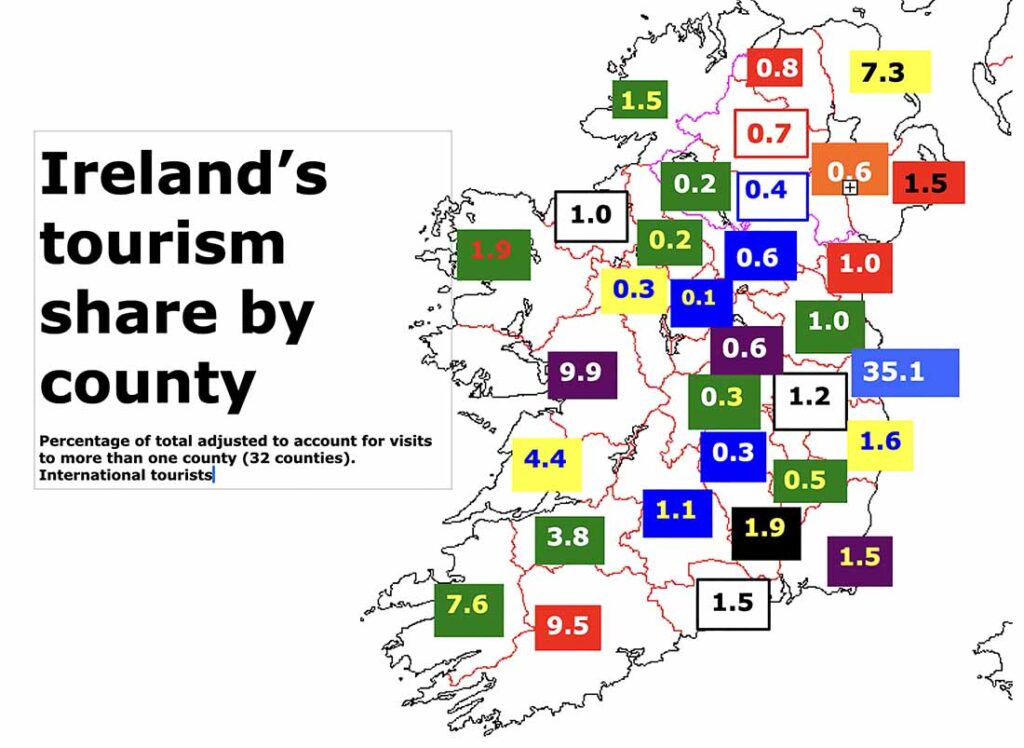
Ireland’s county Wexford combines coastal beauty with historic sites, with the Hook Lighthouse, one of the world’s oldest, offering scenic coastal views. The Irish National Heritage Park recreates ancient and medieval settlements, while Wexford’s beaches, like Curracloe, provide sandy shores for walking. Other attractions include the historic town of Enniscorthy and its castle. Wexford is Ireland’s 13th largest county by size (2,351 square km) and 14th largest by population (163,919). Population peaked at 202,033 in 1841 and reached its lowest point, 83,308 in 1961. In terms of hospitality, Wexford is Ireland’s eighth most visited tourist county with around 229,000 international visitors per year.
Introduction – Adventure – Anthem – Archaeology – Attractions – Awards – Birdwatching – Camping – Castles – Churches – Contact list – Cycling – Dining – Equestrian – Festivals – Fishing – Folklore – Gardens – Golf – Graveyards – Happening – Haunted – Highest – Hiking – History – Holy Wells – Hotels – Hotels top 8 – Hunting & shooting – Instagrammable – Itineraries – Largest town – Luxury – MICE – Movies – Music – Name – New – Novelists – Off the beaten track – Poets – Pubs – Quotes – Random Facts – Restaurant Awards – Sacred Places – Saints – Songs – Spas – Sports – Sunsets – Sustainable – Things to do – Towns – Video – Villages – Walking – Wanderlist – Weddings– Wild swimming – Writers – 1837 – 1846– 1852 – 1909 – 1955 – 1980 –