County Westmeath in Ireland harbours a rich tradition of holy wells, ancient sites revered for their spiritual significance, healing waters, and connections to early Christian saints. These wells, often nestled in rural landscapes or near historical ecclesiastical ruins, have drawn pilgrims for generations, blending folklore, faith, and local customs. Many are linked to miraculous appearances or cures, with rituals performed on specific pattern days. What follows is an expanded exploration of twelve notable holy wells in the county, detailed in bullet points with their locations, pattern days, associated saints, and brief descriptions based on historical accounts and local lore.
- SLady Well, Clonmore: Situated in Clonmore, about 2 miles west of Mullingar. Pattern day is typically 15 August (Assumption of Our Lady). Associated with Our Lady. This well, dedicated to the Blessed Virgin, is noted in local traditions for miraculous origins, such as a vision of a lady causing a spring to emerge; it serves as a peaceful shrine for Marian devotion, with pilgrims historically gathering for prayers and offerings.
- Priest Well, Austin Friars’ Street: Positioned on North Austin Friars’ Street in Mullingar. No specific pattern day recorded. No particular saint associated, though linked to the Augustinian Priory. This well is believed to have served the medieval Augustinian friars; nearby lies an old tunnel reputedly used for escape during the persecutions under Henry VIII, adding a layer of historical intrigue to its sacred character.
- Saint Anne’s Well (Moyvore): Pattern day: July 26 (St. Anne’s feast day, though not actively observed): Located in Moyvore, this well is dedicated to St. Anne, mother of the Virgin Mary, and associated with fertility and general healing. Pilgrims performed rounds, leaving rosaries or rags on a nearby tree. Its rural setting and early Christian connections suggest baptismal use, but active devotion has largely ceased, with the well noted in local folklore.
- Saint Brigid’s Well (Mullingar): Pattern day: February 1 (St. Brigid’s feast day, though not actively observed): Situated near Mullingar, this well is dedicated to St. Brigid, Ireland’s patroness, and associated with healing skin ailments and general health. Pilgrims performed rounds and left offerings like rags or rosaries on nearby trees. Its urban proximity and Brigid’s widespread veneration make it significant, though it’s less visited today due to declining traditions. The well is noted in the Schools’ Collection for its historical use.
- Saint Brigid’s Well, Ballyglass: Located about 1.5 miles north of Mullingar on what was once Mr Tuite’s land. Pattern day is 1 February. Associated with Saint Brigid. This well is said to mark the spot where Saint Brigid appeared on a large flat stone; its waters are reputed to cure sore eyes and famously will not boil, drawing pilgrims in olden times for healing rituals.
- Saint Brigid’s Well, Bryanmore: Located in the extreme northern corner of Bryanmore townland, parish of Drumraney, about 200 perches from the main road. Pattern day is typically 1 February. Associated with Saint Brigid. This modest well, neither large nor deep (about 4 feet), is overshadowed by a blackthorn bush and encircled by stones, with a narrow path leading to it; it represents the humble, rural holy sites where local pilgrims seek blessings, tied to enduring traditions of faith and folklore.
- Saint Brigid’s Well, Cullion: Found in Cullion, about 1 mile west of Mullingar. Pattern day is 1 February. Associated with Saint Brigid. This well features a stone mound covered in turf, a beehive-shaped chapel, and a circular walkway with standing stones representing the Stations of the Cross, built in 1956; it may have pre-Christian roots, with waters considered most potent around Imbolc, attracting pilgrims for healing and meditation.
- Saint Brigid’s Well, Killare: Located in Killare, about 9 miles west of Mullingar, near the Hill of Uisneach. Pattern day is typically 1 February. Associated with Saint Brigid. Accessed through a field often grazed by sheep, this ancient well features a large tear-drop shaped pool with an outlet and a shrine at its widest point; originally linked to a 6th-century church founded by Saint Fearga, it blends pagan and Christian elements, renowned for its tranquil setting and healing folklore.
- Saint Brigid’s Well, Levington: Situated near Lake Owel on Levinge’s land, approximately 3 miles north of Mullingar. Pattern day is typically 1 February. Associated with Saint Brigid. Legend holds that Saint Brigid appeared here, and the well’s waters cure sore eyes; historical pilgrimages involved leaving offerings like rags tied to a nearby bush, emphasising its role as a site of devotion and supplication.
- Saint Ciaran’s Well (Carn, Castlepollard): Pattern day: September 9 (St. Ciaran’s feast day, though not actively observed): Located near Carn graveyard, this well is dedicated to St. Ciaran, founder of Clonmacnoise, and is known for curing general ailments, particularly stomach issues. Pilgrims historically performed rounds, reciting prayers and leaving clooties or coins on a nearby hawthorn tree. The well, enclosed by a stone structure, is part of an ecclesiastical site with a church ruin, suggesting early Christian use. Active devotion has declined, but it remains a local landmark.
- Saint Colman’s Well (near Multyfarnham): Pattern day: possibly November 24 (St. Colman’s feast day): Dedicated to St. Colman, this well near Multyfarnham’s Franciscan friary is linked to general healing, particularly for rheumatism. Pilgrims performed rounds and left offerings like coins or clooties. Its proximity to the friary suggests early Christian significance, but it’s less visited now, with sparse documentation in modern records.
- Saint Dymphna’s Well (near Glasson): Pattern day: May 15 (St. Dymphna’s feast day, though not actively observed): Dedicated to St. Dymphna, patron of mental health, this well near Glasson is linked to curing emotional distress and mental illness. Pilgrims performed rounds, leaving rosaries or rags, and applied water for healing. Its rural setting and specialized purpose make it significant, though it’s less visited today, with details from local folklore.
- Saint Feichin’s Well (Fore, near Castlepollard): Pattern day: January 20 (St. Feichin’s feast day, though not actively observed): Also in Fore, this well is directly dedicated to St. Feichin, founder of the 7th-century monastery. Associated with curing headaches and general ailments, pilgrims performed rounds, leaving offerings like medals or rags. The well’s setting within the monastic landscape, near a mill and anchorite cell, underscores its early Christian origins, possibly pre-Christian. It’s maintained but sees few visitors today.
- Saint Feichin’s Well, Fore: Situated in Fore, in the northern part of County Westmeath, known as Tobernacogany near St Feichin’s church. Pattern days are 20 January (feast of Saint Feichin), 24 June (Saint John’s day), and 29 June (Saint Peter’s day). Associated with Saint Feichin. Part of the “Seven Wonders of Fore,” including water that will not boil and a nearby tree that will not burn; pilgrims historically performed stations here, driving coins into an ash tree, with the well famed for curing headaches and toothaches amid the abbey’s medieval ruins.
- Saint Finian’s Well, Ballinlug: Located about 3 miles north of Mullingar in Ballinlug. Pattern day is typically 12 December. Associated with Saint Finian. Though details are sparse, this well honours Saint Finian, a key figure in Irish monasticism; it is part of the county’s tradition of wells dedicated to early saints, often visited for blessings related to learning or spiritual insight, reflecting Finian’s legacy as a teacher.
- Saint Kenny’s Well, Petits Wood: Located in Petits Wood, about 1 mile west of Mullingar. Pattern day is typically 24 November. Associated with Saint Kenny (also known as Saint Cianan). Scarce records portray this as a serene woodland well dedicated to the obscure saint Cianan; it embodies the quieter, lesser-visited holy sites in Westmeath, where locals might seek cures for ailments or perform private devotions amid the natural surroundings.
- Saint Loman’s Well (near Lough Owel): Pattern day: possibly October 26 (St. Loman’s feast day): Linked to St. Loman, St. Patrick’s nephew, this well near Lough Owel is associated with general healing and baptisms. Pilgrims performed rounds and left clooties or coins, believing the water cured chronic ailments. Its lakeside setting and early Christian context make it notable, though it’s less frequented today.
- Saint Mary’s Well (Athlone): Pattern day: August 15 (Feast of the Assumption, though not actively observed): Near Athlone, this well is dedicated to the Blessed Virgin and associated with women’s health and general blessings. Pilgrims performed rounds, reciting rosaries and leaving offerings like medals or rags. Its urban proximity and Marian devotion made it significant, but active pilgrimage has declined, with the well noted in the Archaeological Inventory.
- Saint Patrick’s Well (Ballymore): Pattern day: March 17 (St. Patrick’s feast day, though not actively observed): Another well attributed to St. Patrick, located in Ballymore, it’s associated with baptisms and general healing. Pilgrims left offerings like clooties or pebbles after rounds, seeking cures for sore limbs or chronic ailments. Its significance ties to Patrick’s missionary legacy, but active devotion has diminished.
- Saint Patrick’s Well (Fore, near Castlepollard): Pattern day: March 17 (St. Patrick’s feast day, though not actively observed): Part of the Fore monastic complex, this well is linked to St. Feichin but attributed to St. Patrick in local tradition. Known for general healing, pilgrims performed rounds and left coins or clooties. The well, near Fore Abbey’s ruins, is one of seven wonders of Fore, including water that doesn’t boil (per legend). Its historical significance persists, though active pilgrimage has waned.
- Saint Patrick’s Well, Tristernagh Beg: Situated in Tristernagh Beg, about 4 miles north of Mullingar. Pattern day is typically 17 March. Associated with Saint Patrick. Limited historical accounts describe this well as a modest site tied to Ireland’s patron saint, potentially used for baptisms or healings in folklore; its proximity to ancient ecclesiastical areas suggests it served local communities for centuries as a place of quiet reflection and prayer.
- Sunday’s Well, Auburn Terrace: Found at the end of Auburn Terrace in Mullingar. Pattern days are in May and December. Associated with Our Lady. Named for an apparition of Our Lady on Sunday, 8 December, this enclosed well features a mysterious slab dated 1814 embedded in its surrounding wall; it has long been a focal point for pilgrimages seeking spiritual solace.
- Tobar na nGealt (Well of the Insane, near Moate): Pattern day: possibly August 1 (Lughnasa): Named for its association with curing mental illness, this well near Moate was visited by pilgrims seeking mental clarity or relief from psychological ailments. They performed rounds, applied water, and left rags or medals. Likely pre-Christian in origin, it’s now largely forgotten in active practice but noted in the Schools’ Collection.
- Tobar na Súl (Eye Well, near Delvin): Pattern day: possibly August 1 (Lughnasa): Named for its reputed ability to cure eye ailments, this well near Delvin is part of Westmeath’s tradition of specialized healing wells. Pilgrims performed rounds and applied water to eyes, leaving clooties or coins. Documented in the Schools’ Collection, it’s less prominent today but reflects pre-Christian water veneration adapted for Christian use.
Holy Wells
Antrim – Armagh – Carlow – Cavan – Clare – Cork – Derry – Donegal – Down – Dublin – Fermanagh – Galway – Kerry – Kildare – Kilkenny – Laois – Leitrim – Limerick – Longford – Louth – Mayo – Meath – Monaghan – Offaly – Roscommon – Sligo – Tipperary – Tyrone – Waterford – Westmeath – Wexford – Wicklow
Sacred Places
Antrim – Armagh – Carlow – Cavan – Clare – Cork – Derry – Donegal – Down – Dublin – Fermanagh – Galway – Kerry – Kildare – Kilkenny – Laois – Leitrim – Limerick – Longford – Louth – Mayo – Meath – Monaghan – Offaly – Roscommon – Sligo – Tipperary – Tyrone – Waterford – Westmeath – Wexford – Wicklow
County Westmeath:
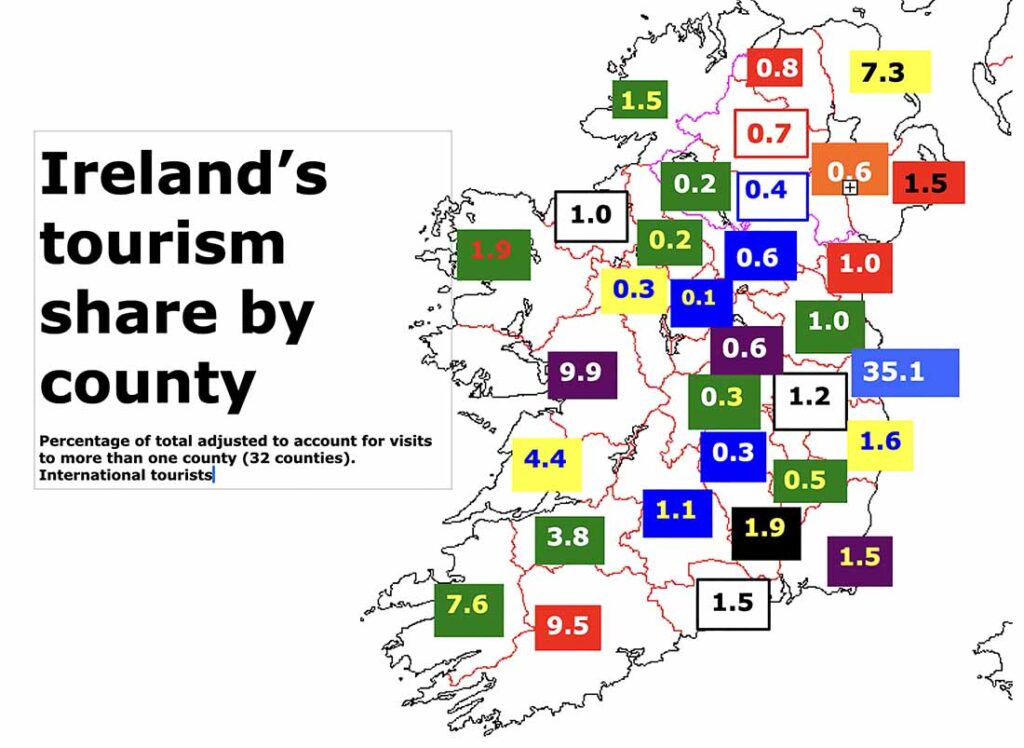
Ireland’s county Westmeath offers a blend of lakes and historic charm, with Athlone Castle providing insights into medieval Ireland along the Shannon River. The Belvedere House and Gardens showcase Georgian elegance, while Lough Ree offers boating and fishing opportunities. Other attractions include the ancient Fore Abbey and its monastic ruins and traditional seven wonders. Westmeath is Ireland’s tenth smallest county by size (1,763 square km) and 11th smallest by population (96,221). Population peaked at 141,300 in 1841 and reached its lowest point, 52,861 in 1961. In terms of hospitality, Westmeath is Ireland’s 22nd most visited tourist county with around 95,000 international visitors per year.
Introduction – Adventure – Anthem – Archaeology – Attractions – Awards – Birdwatching – Camping – Castles – Churches – Contact list – Cycling – Dining – Equestrian – Festivals – Fishing – Folklore – Gardens – Golf – Graveyards – Happening – Haunted – Highest – Hiking – History – Holy Wells – Hotels – Hotels top 8 – Hunting & shooting – Instagrammable – Itineraries – Largest town – Luxury – MICE – Movies – Music – Name – New – Novelists – Off the beaten track – Poets – Pubs – Quotes – Random Facts – Restaurant Awards – Sacred Places – Saints – Songs – Spas – Sports – Sunsets – Sustainable – Things to do – Towns – Video – Villages – Walking – Wanderlist – Weddings – Wild swimming – Writers – 1837 – 1846– 1852 – 1909 – 1955 – 1980 –