- Tobernalt Holy Well (Carraroe, near Lough Gill): Pattern day: Last Sunday in July (Garland Sunday, tied to Lughnasa). Located at the foot of Cairns Hill near Lough Gill, Tobernalt, meaning “Well of the Cliff” or “Curative Well for Body Pain” (Tobar na nAlt), is Sligo’s most prominent holy well. A natural spring in a wooded grove, it predates Christianity, used for Celtic Lughnasa festivals before being Christianized by Saint Patrick, who reportedly baptized converts here, leaving fingerprints on a mass rock. It was a Penal Laws (1695–1829) mass site and remains active, with Masses on Garland Sunday drawing thousands. Pilgrims perform anti-clockwise rounds (unusual in Ireland) at 14 stations, leaving clooties (rags) or rosaries on a rag tree for cures, especially for body pain.
- Tullaghan Hill Holy Well (Coolaney, Ox Mountains): Pattern day: Not specifically recorded, possibly March 17 (Saint Patrick’s feast day) or August 1 (Lughnasa). Also known as Hawk’s Well, this well sits atop a 61-meter hill in the Ox Mountains, within a cliff-edge fort. Noted by Giraldus Cambrensis in 1188 as a wonder of Ireland for its tidal-like behavior, it’s linked to Saint Patrick, who miraculously created it to quench his thirst while chasing a devil named Caerthanach. A pre-Christian legend claims the water turned bitter after a servant’s head was thrown in. Associated with general healing, it’s now overgrown and less visited, but pilgrims historically left offerings like stones on a nearby cairn.
- Saint Attracta’s Well (Killaraght): Pattern day: August 11 (Saint Attracta’s feast day). Near Lough Gara, this well is dedicated to Saint Attracta, a 6th-century saint. It was a major pilgrimage site until the 19th century, with pilgrims performing rounds and leaving clooties or coins for cures, particularly for general ailments. The well’s setting near monastic ruins enhances its historical significance, though active devotions have declined. It remains part of Sligo’s rich pilgrimage tradition.
- Saint Brigid’s Well (Drumcliff): Pattern day: February 1 (Saint Brigid’s feast day, though not actively observed). Located near Drumcliff’s monastic site, associated with Saint Colmcille, this well is dedicated to Saint Brigid. It’s reputed for curing skin diseases and general ailments, with pilgrims performing rounds and leaving rags or medals on nearby trees. Its proximity to a round tower and high cross suggests early Christian use, possibly for baptisms, though it’s less frequented today.
- Saint Colmcille’s Well (Doonierin, Cliffoney): Pattern day: June 9 (Saint Colmcille’s feast day, though not confirmed for active observance). Situated in a coastal area, this well is linked to Saint Colmcille (Columba), who founded nearby monasteries. Known for curing eye ailments and general health issues, pilgrims historically performed rounds, reciting prayers and leaving offerings like coins or rosaries. The well’s location near the sea ties it to Sligo’s maritime heritage, though it’s less visited now.
- Saint Patrick’s Well (Aughris): Pattern day: March 17 (Saint Patrick’s feast day, though not actively observed). Located on the Aughris peninsula, this well is associated with Saint Patrick, who reportedly used it for baptisms. It’s known for general healing, with pilgrims leaving clooties or pebbles after rounds. The well’s coastal setting and legends of Patrick’s missionary work make it significant, though it’s now less prominent in local devotion.
- Tobar na Súl (Eye Well, near Tobercurry): Pattern day: Not specifically recorded, possibly August 1 (Lughnasa). Named for its reputed ability to cure eye ailments, this well near Tobercurry reflects Sligo’s tradition of specialized healing wells. Pilgrims performed rounds and left offerings like rags or coins, believing the water alleviated vision problems. Its exact location is less documented today, but it remains part of local folklore.
- Saint Molaise’s Well (Grange, Inishmurray Island): Pattern day: September 25 (Saint Molaise’s feast day, historically observed). On Inishmurray Island, this well is tied to Saint Molaise, founder of a 6th-century monastery. Known for curing general ailments, it was a pilgrimage site for islanders and coastal communities, who left clooties or stones after rounds. The well’s remote location and monastic ruins make it significant, though access is limited today due to the island’s abandonment.
- Saint Finian’s Well (near Skreen): Pattern day: December 12 (Saint Finian’s feast day, though not actively observed). Dedicated to Saint Finian, this well near Skreen is associated with cures for headaches and general health. Pilgrims historically performed rounds, leaving offerings like rosaries or rags on nearby trees. Its proximity to early Christian sites suggests ancient origins, though it’s less visited now due to declining traditions.
- Tobar na nGealt (Well of the Insane, near Coolaney): Pattern day: Not specifically recorded, possibly August 1 (Lughnasa). Named for its association with curing mental illness, this well is part of Sligo’s specialized healing tradition. Located near Coolaney, pilgrims performed rounds and applied water to alleviate psychological ailments, leaving tokens like coins or clooties. Its significance persists in folklore, though active use has diminished.
- Saint Brigid’s Well (Cloonacool): Pattern day: February 1 (Saint Brigid’s feast day, though not actively observed). Another well dedicated to Saint Brigid, located in Cloonacool, it’s associated with general healing and blessings. Pilgrims performed rounds, reciting prayers and leaving rags or medals on nearby trees. Its rural setting and connection to Brigid’s widespread veneration make it notable, though it’s less frequented today.
- Saint Patrick’s Well (Kilturra, near Gurteen): Pattern day: March 17 (Saint Patrick’s feast day, though not actively observed). This well in Kilturra is linked to Saint Patrick, with legends of its use for baptisms. Known for curing sore limbs and general ailments, pilgrims left offerings like pebbles or clooties after rounds. Its significance ties to Patrick’s missionary legacy, but it’s now less prominent due to reduced pilgrimage activity.
Visiting:
- Sligo’s 117 holy wells, as recorded in the Archaeological Survey of Ireland, reflect a mix of pre-Christian and Christian traditions, often used for baptisms by early saints like Saint Patrick and adapted from Celtic water worship sites.
- Pattern days typically involve clockwise (deiseal) rounds, except at Tobernalt, where anti-clockwise stations are unique. Rituals include prayers, drinking or applying water, and leaving offerings like rags, coins, or rosaries, believed to transfer ailments to the offering.
- Many wells are near monastic ruins, churches, or ancient sites like Cairns Hill, indicating pre-Christian origins. Their use peaked during Penal Laws (1695–1829) as covert mass sites but declined post-Catholic Emancipation due to church reforms and social changes.
- The Sligo Holy Well Survey (contact: Tamlyn McHugh, info@fadoarchaeology.com) encourages community input to document wells and customs, as many are forgotten or unrecorded.
- For further exploration, consult dúchas.ie for folklore, holywellsligo.com for Tobernalt details, or megalithicireland.com for archaeological context. William Wakeman’s 19th-century paintings of Tobernalt and Tullaghan Hill, available via Sligo County Library, offer visual insights.
Holy Wells
Antrim – Armagh – Carlow – Cavan – Clare – Cork – Derry – Donegal – Down – Dublin – Fermanagh – Galway – Kerry – Kildare – Kilkenny – Laois – Leitrim – Limerick – Longford – Louth – Mayo – Meath – Monaghan – Offaly – Roscommon – Sligo – Tipperary – Tyrone – Waterford – Westmeath – Wexford – Wicklow
Sacred Places
Antrim – Armagh – Carlow – Cavan – Clare – Cork – Derry – Donegal – Down – Dublin – Fermanagh – Galway – Kerry – Kildare – Kilkenny – Laois – Leitrim – Limerick – Longford – Louth – Mayo – Meath – Monaghan – Offaly – Roscommon – Sligo – Tipperary – Tyrone – Waterford – Westmeath – Wexford – Wicklow
County Sligo:
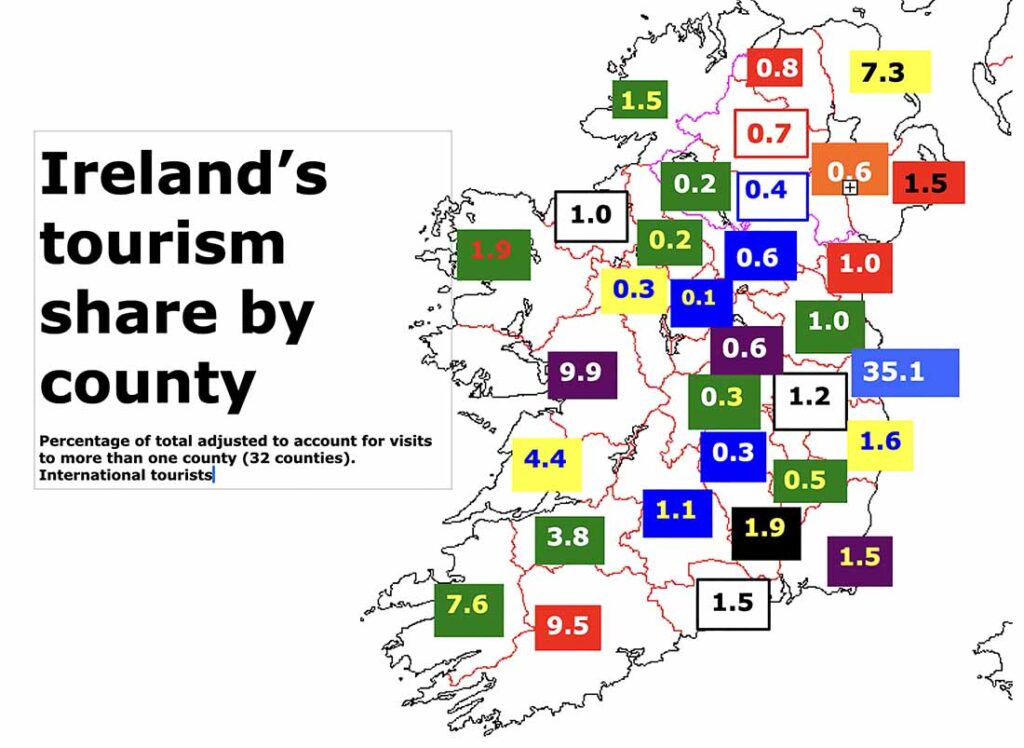
Ireland’s county Sligo is renowned for its poetic heritage and coastal scenery, with the Carrowmore Megalithic Cemetery offering one of Europe’s oldest prehistoric sites. The Benbulben mountain provides striking hiking trails, while Strandhill’s beaches are ideal for surfing. Other attractions include the historic Lissadell House and its gardens. Sligo is Ireland’s 22nd largest county by size (1,796 square km) and seventh smallest by population (70,198). Population peaked at 180,886 in 1841 and reached its lowest point, 50,275 in 1971. In terms of hospitality, Sligo is Ireland’s 17th most visited tourist county with around 133,000 international visitors per year.
Introduction – Adventure – Anthem – Archaeology – Attractions – Awards – Birdwatching – Camping – Castles – Churches – Contact list – Cycling – Dining – Equestrian – Festivals – Fishing – Folklore – Gardens – Golf – Graveyards – Happening – Haunted – Highest – Hiking – History – Holy Wells – Hotels – Hotels top 8 – Hunting & shooting – Instagrammable – Itineraries – Largest town – Luxury – MICE – Movies – Music – Name – New – Novelists – Off the beaten track – Poets – Pubs – Quotes – Random Facts – Restaurant Awards – Sacred Places – Saints – Songs – Spas – Sports – Sunsets – Sustainable – Things to do – Towns – Video – Villages – Walking – Wanderlist – Weddings – Wild swimming – Writers – 1837 – 1846– 1852 – 1909 – 1955 – 1980 –