The highest point in County Armagh is Slieve Gullion, standing at 573 meters (1,880 feet). This extinct volcano, located in the Ring of Gullion Area of Outstanding Natural Beauty (AONB) in South Armagh, is a prominent feature known for its geological significance, rich archaeological heritage, and stunning panoramic views. Here’s a detailed description of Slieve Gullion and what visitors and hikers can expect when approaching and exploring it:
Description of Slieve Gullion
- Geological and Cultural Significance: Slieve Gullion is the centerpiece of the Ring of Gullion, a unique geological formation recognized as the first ring dyke mapped in the world. This volcanic landscape, formed millions of years ago, features a central peak surrounded by low, rugged hills. The mountain is steeped in mythology, associated with Celtic legends like the Táin Bó Cúailnge, and is home to the South Cairn, the highest surviving passage tomb in Ireland, dating back to around 3,000 BC.
- Scenic Beauty: On clear days, the summit offers breathtaking views across nine counties, including the Mourne Mountains, Cooley Peninsula, Armagh Drumlins, and even distant parts of Dublin Bay. The area is known for its lush green valleys, rolling hills, and a hidden crater lake near the summit, adding to its mystique.
Approaching Slieve Gullion
- Access Points: The most common starting point for hikers is the Slieve Gullion Forest Park, located near Newry in South Armagh. The forest park has a car park and a Courtyard Centre with amenities like a café, making it an ideal base. From here, hikers can access the main trails or opt for the scenic 10km forest drive to reach higher starting points closer to the summit.
Trail Options:
- Slieve Gullion Summit Trail: This is the primary hiking route, an 8km (5-mile) loop with a moderate to strenuous difficulty level due to steep sections. The trail begins at the forest park, follows forest roads, and ascends via a clear path to the summit. It includes a visit to the South Cairn and the crater lake. The round trip typically takes 2.5–3 hours for moderately experienced hikers.
- Forest Drive Option: For those preferring a less strenuous approach, the 10km circular drive through Slieve Gullion Forest Park allows visitors to drive close to the summit, reducing the hiking distance. A short, steep walk from the upper car park leads to the top. This is ideal for casual visitors or those with mobility limitations.
- Alternative Routes: Some hikers start from Ballintemple Road, about 500m from the forest park exit, following a quieter path to the summit. This route is less trafficked but still well-defined.
- Navigation and Preparation: The trails are generally well-marked, but hikers should bring a map, compass, or GPS, especially in poor weather, as the summit can be exposed to sudden changes like rain or wind. Sturdy hiking boots, weather-appropriate clothing, and sufficient water are recommended. Dogs are allowed but must be kept on a leash due to livestock in the area.
Hiking Experience:
- The ascent to Slieve Gullion is moderately challenging, with steep sections that reward hikers with spectacular views. The terrain varies from forest paths to open moorland, with some rocky areas near the summit.
- The South Cairn, a 30m-wide, 4m-high passage tomb, is a highlight. Visitors can enter the tomb (though it’s tight) to explore its ancient stonework, offering a tangible connection to Ireland’s Neolithic past.
- The crater lake, located just below the summit, is a serene spot often shrouded in mist, adding a mystical atmosphere.
- Views and Photography: The summit provides 360-degree views, ideal for photography. On clear days, expect to see the rolling Armagh countryside, the Mourne Mountains, and distant coastal areas. Early morning or late afternoon visits enhance the visual experience with softer lighting.
- Wildlife and Nature: The forest park and mountain slopes are home to diverse flora and fauna, including squirrels (red or grey) and various bird species. The surrounding woodlands and wildflower meadows add to the natural beauty, especially in spring and summer.
- Cultural and Historical Context: The area is rich in Celtic mythology, with tales of the warrior Cúchulainn and the goddess Macha. The nearby Navan Fort, a few miles west, complements a visit by offering insights into Armagh’s ancient history as the seat of Ulster’s kings.
- Amenities: The Courtyard Centre at Slieve Gullion Forest Park offers a café for refreshments (e.g., coffee and scones), restrooms, and information on local trails. Picnic areas and play spaces make it family-friendly.
- Seasonal Considerations: Armagh’s temperate climate makes Slieve Gullion accessible year-round, though spring and autumn offer vibrant scenery and milder weather. Rainfall is common, so waterproof gear is advisable. Winter hikes may require extra caution due to potential ice on steeper sections.
- Guided Tours: For those interested in the area’s mythology or geology, guided walks with local experts, such as those offered by Mountain Ways Ireland, provide in-depth knowledge.
- Safety: While the hike is manageable for intermediate hikers, the summit’s exposed nature means weather can change rapidly. Check forecasts, inform someone of your plans, and avoid hiking alone in poor conditions.
- Accessibility: The forest drive and shorter summit walk make Slieve Gullion accessible to non-hikers, though the passage tomb and steeper trails require moderate fitness.
Slieve Gullion offers a rewarding experience for hikers and visitors, blending physical challenge with cultural and natural richness. Whether you’re drawn to its ancient passage tomb, panoramic views, or tranquil forest trails, the mountain is a must-visit in County Armagh. Its accessibility from Slieve Gullion Forest Park, combined with nearby amenities and attractions, makes it an ideal destination for a day trip or part of a broader exploration of the Orchard County.
Highest point in county
Antrim – Armagh – Carlow – Cavan – Clare – Cork – Derry – Donegal – Down – Dublin – Fermanagh – Galway] – Kerry – Kildare – Kilkenny – Laois – Leitrim – Limerick – Longford – Louth – Mayo – Meath – Monaghan – Offaly – Roscommon – Sligo – Tipperary – Tyrone – Waterford – Westmeath – Wexford – Wicklow
County Armagh:
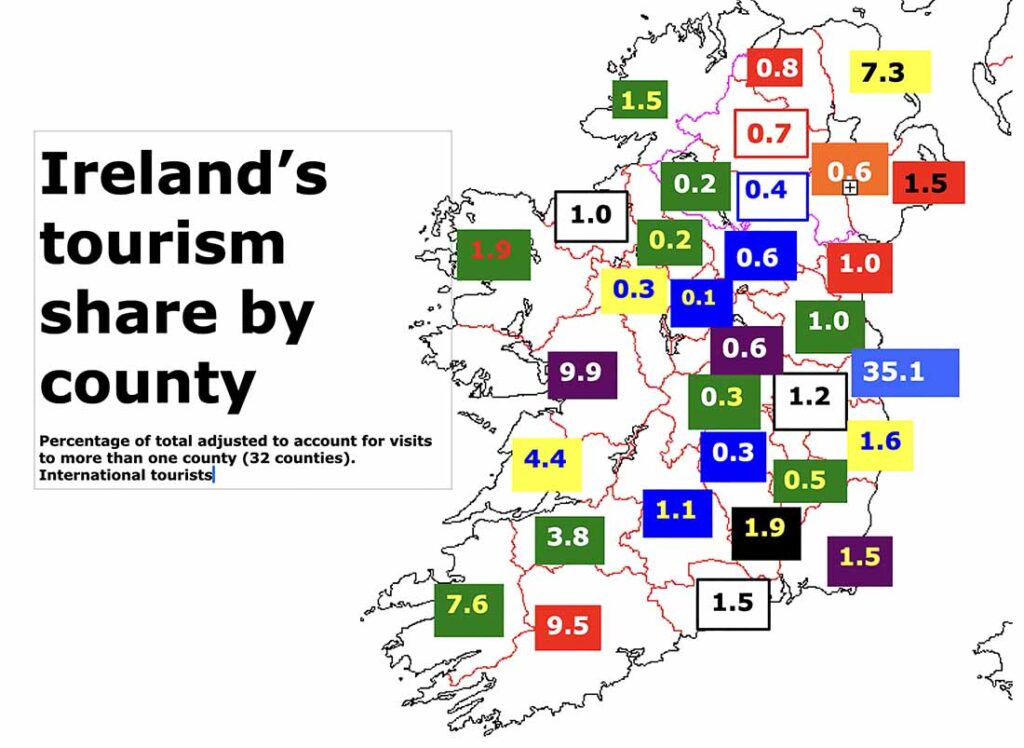
Ireland’s County Armagh is steeped in history and natural beauty, with the Navan Fort, an ancient ceremonial site, offering archaeological intrigue. The Armagh Observatory and Planetarium provide stargazing opportunities, while the city’s two cathedrals reflect its ecclesiastical heritage. Other attractions include the nearby Slieve Gullion Forest Park with its hiking trails and panoramic views. Armagh is Ireland’s fifth smallest county by size (1,253 square km) and tenth largest by population (194,394). Population peaked at 232,393 in 1841 and reached its lowest point, 108,815, in 1937. In terms of hospitality, Armagh is Ireland’s 26th most visited tourist county with around 57,000 international visitors per year.
Introduction – Adventure – Anthem – Archaeology – Attractions – Awards – Birdwatching – Camping – Castles – Churches – Contact list – Cycling – Dining – Equestrian – Festivals – Fishing – Folklore – Gardens – Golf – Graveyards – Happening – Haunted – Highest – Hiking – History – Holy Wells – Hotels – Hotels top 8 – Hunting & shooting – Instagrammable – Itineraries – Largest town – Luxury – MICE – Movies – Music – New – Name – Novelists – Off the beaten track – Poets – Pubs – Quotes – Random Facts – Restaurant Awards – Sacred Places – Saints – Songs – Spas – Sports – Sunsets – Sustainable – Things to do – Towns – Video – Villages – Walking – Wanderlist – Weddings – Wild swimming – Writers – 1837– 1846 – 1852 – 1909 – 1955 – 1980 –