- Donn Byrne: Forkhill, County Armagh (lived as a baby) (1889–1928) A novelist, poet, and short-story writer, Byrne was born in New York City but moved to Forkhill, Armagh, as an infant with his Irish parents, Edward and Emma (Duncan) Byrne. Educated at University College Dublin, the Sorbonne, and Leipzig, he is best known for novels like Messer Marco Polo (1921) and Hangman’s House (1926), which blend romance and Irish themes. He later lived in Coolmain Castle, County Cork, and is buried in Rathclarin, Cork.
- John Hewitt: Belfast, County Antrim (born); lived in Armagh city, County Armagh (1907–1987) Primarily known as a poet, Hewitt also wrote prose. Born in Belfast, he lived in Armagh city, where he worked as a curator at the Armagh County Museum (1953–1957). His prose works, including essays and autobiographical writings, reflect his engagement with Ulster’s cultural identity, particularly in Armagh.
- Stuart Neville: A renowned crime and thriller writer, known for The Twelve (or The Ghosts of Belfast), The House of Ashes, and the Blood Like Mine series.
- Michael Hughes: Born in Keady, author of Country (2018), a “Troubles” novel reimagining Homer’s Iliad.
- Byddi Lee: Author of the Rejuvenation Trilogy, a speculative fiction series set in a near-future Armagh.
- John McAllister: Author of the thriller Line of Flight and short story collection The Fly Pool.
- Eirin Thompson: Author known for the novel I Know I Saw Her.
- Frances Molloy: (1947–1991) A novelist born in County Armagh.
- Laura McLoughlin: An Armagh-based author of The Many Ghosts of Donahue Byrne.
- Sue Divin: Though associated with Derry, she is an Armagh-born author of YA novels like Truth Be Told.
Novelists
Antrim – Armagh – Carlow – Cavan – Clare – Cork – Derry – Donegal – Down – Dublin – Fermanagh – Galway – Kerry – Kildare – Kilkenny – Laois – Leitrim – Limerick – Longford – Louth – Mayo – Meath – Monaghan – Offaly – Roscommon – Sligo – Tipperary – Tyrone – Waterford – Westmeath – Wexford – Wicklow
Poets
Antrim – Armagh – Carlow – Cavan – Clare – Cork – Derry – Donegal – Down – Dublin – Fermanagh – Galway – Kerry – Kildare – Kilkenny – Laois – Leitrim – Limerick – Longford – Louth – Mayo – Meath – Monaghan – Offaly – Roscommon – Sligo – Tipperary – Tyrone – Waterford – Westmeath – Wexford – Wicklow
Writers
Antrim – Armagh – Carlow – Cavan – Clare – Cork – Derry – Donegal – Down – Dublin – Fermanagh – Galway – Kerry – Kildare – Kilkenny – Laois – Leitrim – Limerick – Longford – Louth – Mayo – Meath – Monaghan – Offaly – Roscommon – Sligo – Tipperary – Tyrone – Waterford – Westmeath – Wexford – Wicklow
County Armagh:
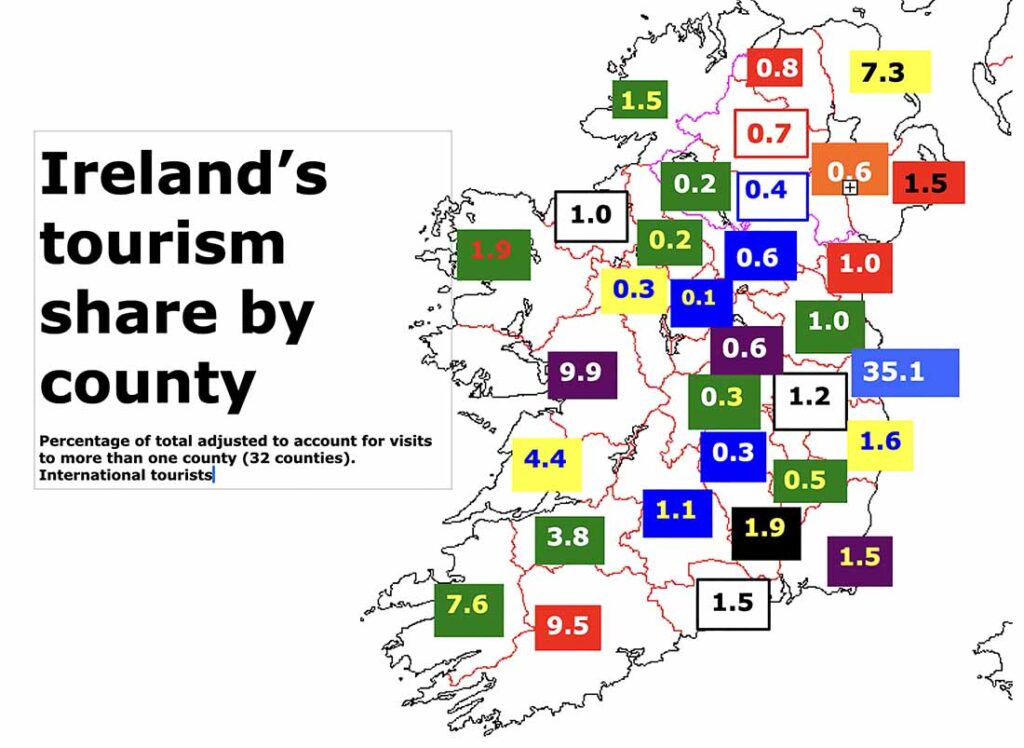
Ireland’s County Armagh is steeped in history and natural beauty, with the Navan Fort, an ancient ceremonial site, offering archaeological intrigue. The Armagh Observatory and Planetarium provide stargazing opportunities, while the city’s two cathedrals reflect its ecclesiastical heritage. Other attractions include the nearby Slieve Gullion Forest Park with its hiking trails and panoramic views. Armagh is Ireland’s fifth smallest county by size (1,253 square km) and tenth largest by population (194,394). Population peaked at 232,393 in 1841 and reached its lowest point, 108,815, in 1937. In terms of hospitality, Armagh is Ireland’s 26th most visited tourist county with around 57,000 international visitors per year.
Introduction – Adventure – Anthem – Archaeology – Attractions – Awards – Birdwatching – Camping – Castles – Churches – Contact list – Cycling – Dining – Equestrian – Festivals – Fishing – Folklore – Gardens – Golf – Graveyards – Happening – Haunted – Highest – Hiking – History – Holy Wells – Hotels – Hotels top 8 – Hunting & shooting – Instagrammable – Itineraries – Largest town – Luxury – MICE – Movies – Music – New – Name – Novelists – Off the beaten track – Poets – Pubs – Quotes – Random Facts – Restaurant Awards – Sacred Places – Saints – Songs – Spas – Sports – Sunsets – Sustainable – Things to do – Towns – Video – Villages – Walking – Wanderlist – Weddings – Wild swimming – Writers – 1837– 1846 – 1852 – 1909 – 1955 – 1980 –