- Tullynally Castle: Located near Castlepollard, Tullynally Castle is a 17th-century Gothic Revival mansion, originally a tower house built by the Pakenham family, later Earls of Longford. Expanded in the 18th and 19th centuries, it’s one of Ireland’s largest inhabited castles, set on a 1,500-acre estate with gardens dating to 1740. Still owned by the Pakenham family, it’s known for its literary connections and extensive grounds. Open May–August (gardens daily, 11 AM–5 PM; castle tours by appointment, check tullynallycastle.ie, €8 gardens, €16 castle/gardens), visitors can explore the 12-acre gardens, including a walled garden, grotto, and Chinese garden, or take guided castle tours (60 minutes) showcasing Regency interiors, a Victorian kitchen, and family artifacts. Expect a 1–2 hour visit, with a tea room, parking, and partial wheelchair access (gardens). The rural setting, 20 km from Mullingar, suits garden lovers and history buffs. Combine with Fore Abbey or Belvedere House for a day trip. Ideal for those seeking a grand estate experience with stunning gardens, though castle access requires planning.
- Athlone Castle: Built in the 12th century by the Normans on the River Shannon in Athlone, this castle was fortified in the 13th century under Bishop John de Gray for King John. A key stronghold during the 1691 Siege of Athlone, it’s a well-preserved National Monument with a modern visitor center, reflecting Westmeath’s strategic importance in medieval and Jacobite conflicts. Open year-round (April–October, 9:30 AM–5:30 PM; November–March, Tuesday–Sunday, 10:30 AM–4:30 PM, check athlonecastle.ie, €10 adults, €5 children, €26 family), visitors can explore the castle’s keep, walls, and interactive exhibitions on the siege, Viking history, and local folklore. Guided tours (45 minutes, included) and audio guides enhance the experience. Expect a 1–1.5 hour visit with a cafe, gift shop, parking, and full wheelchair access. Athlone’s central location pairs well with the River Shannon cruises or Clonmacnoise. A top attraction for its accessibility, engaging exhibits, and central Athlone location.
- Nugent Castle (Delvin Castle): Built in the 12th century by Hugh de Lacy in Delvin, Nugent Castle, also known as Delvin Castle, was a Norman fortress, later held by the Nugent family, Barons of Delvin. Rebuilt in the 19th century as a residence, it’s now a ruin with fragments of the medieval keep and bawn, set in a rural village. A National Monument, it reflects Westmeath’s Norman heritage. Open year-round (free, dawn–dusk), visitors can view the ruins from public paths in Delvin village, as the site is on private land with no interior access due to safety concerns. Expect a 15–30 minute stop to see the fragmented walls and learn from information boards. No facilities like restrooms or a cafe; parking is available in the village. The quiet setting, 15 km from Mullingar, suits history enthusiasts. Combine with Fore Abbey or the Hill of Uisneach. A minor site for those exploring Westmeath’s rural history, with limited access.
- Killua Castle: Located near Clonmellon, Killua Castle is an 18th-century Gothic Revival mansion built by the Chapman family on the site of a 13th-century castle. Restored in the 2000s after falling into ruin, it’s a private residence with a 1,200-acre estate, known for its connection to Sir Walter Raleigh, who planted Ireland’s first potatoes here. The estate includes gardens and an obelisk. Not regularly open to the public, visitors can arrange private tours by appointment (check killuacastle.com, €10–€15) or view the exterior from nearby roads. Tours (45–60 minutes) cover the restored interiors and Raleigh’s history. Expect a 1-hour visit or brief stop, with no facilities unless booked. Parking is limited; the rural setting, 20 km from Mullingar, suits those seeking exclusivity. Combine with Belvedere House or Loughcrew Cairns. Best for those willing to book ahead for a unique, private experience.
Westmeath has other castle ruins like Moydrum Castle (19th-century, near Athlone, private, viewable from a distance but dilapidated), Rathconnell Castle (15th-century, ruin, private land, minimal remains), and Clonyn Castle (19th-century, private, no public access). These are less prominent due to their condition or restricted access. Belvedere House, while notable, is a Georgian mansion, not a castle.
Westmeath’s castles offer a mix of accessible tourist sites (Athlone, Tullynally) and niche ruins (Nugent, Killua). Athlone is the most visitor-friendly, while others require planning or offer limited access.
Castles
Antrim – Armagh – Carlow – Cavan – Clare – Cork – Derry – Donegal – Down – Dublin – Fermanagh – Galway – Kerry – Kildare – Kilkenny – Laois – Leitrim – Limerick – Longford – Louth – Mayo – Meath – Monaghan – Offaly – Roscommon – Sligo – Tipperary – Tyrone – Waterford – Westmeath – Wexford – Wicklow
County Westmeath:
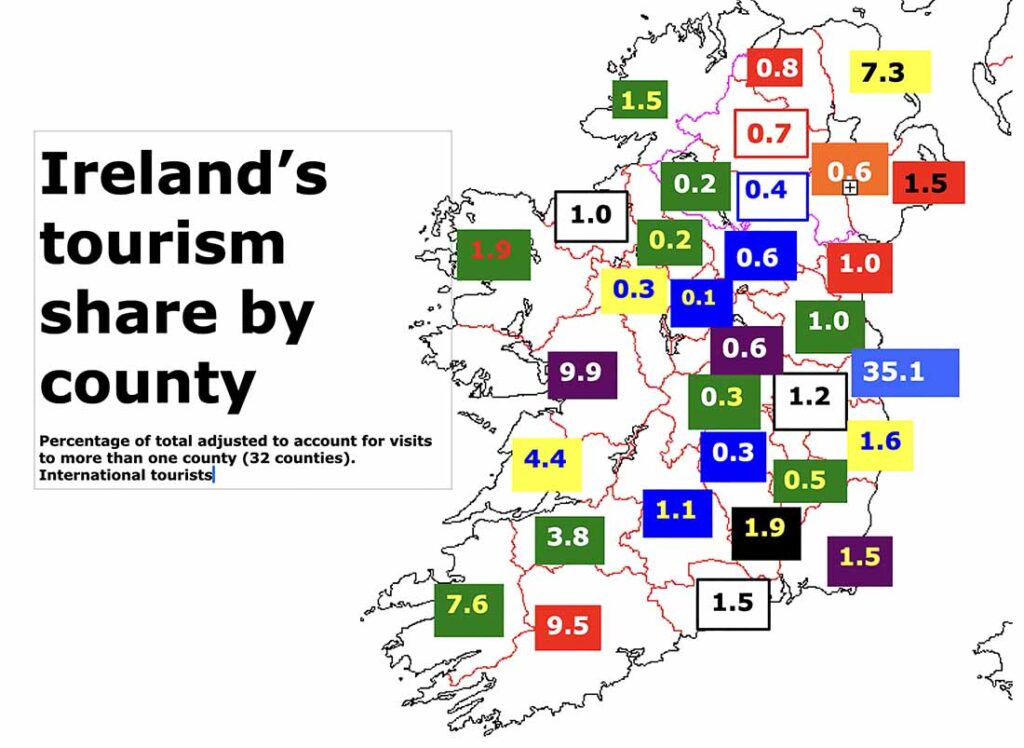
Ireland’s county Westmeath offers a blend of lakes and historic charm, with Athlone Castle providing insights into medieval Ireland along the Shannon River. The Belvedere House and Gardens showcase Georgian elegance, while Lough Ree offers boating and fishing opportunities. Other attractions include the ancient Fore Abbey and its monastic ruins and traditional seven wonders. Westmeath is Ireland’s tenth smallest county by size (1,763 square km) and 11th smallest by population (96,221). Population peaked at 141,300 in 1841 and reached its lowest point, 52,861 in 1961. In terms of hospitality, Westmeath is Ireland’s 22nd most visited tourist county with around 95,000 international visitors per year.
Introduction – Adventure – Anthem – Archaeology – Attractions – Awards – Birdwatching – Camping – Castles – Churches – Contact list – Cycling – Dining – Equestrian – Festivals – Fishing – Folklore – Gardens – Golf – Graveyards – Happening – Haunted – Highest – Hiking – History – Holy Wells – Hotels – Hotels top 8 – Hunting & shooting – Instagrammable – Itineraries – Largest town – Luxury – MICE – Movies – Music – Name – New – Novelists – Off the beaten track – Poets – Pubs – Quotes – Random Facts – Restaurant Awards – Sacred Places – Saints – Songs – Spas – Sports – Sunsets – Sustainable – Things to do – Towns – Video – Villages – Walking – Wanderlist – Weddings – Wild swimming – Writers – 1837 – 1846– 1852 – 1909 – 1955 – 1980 –