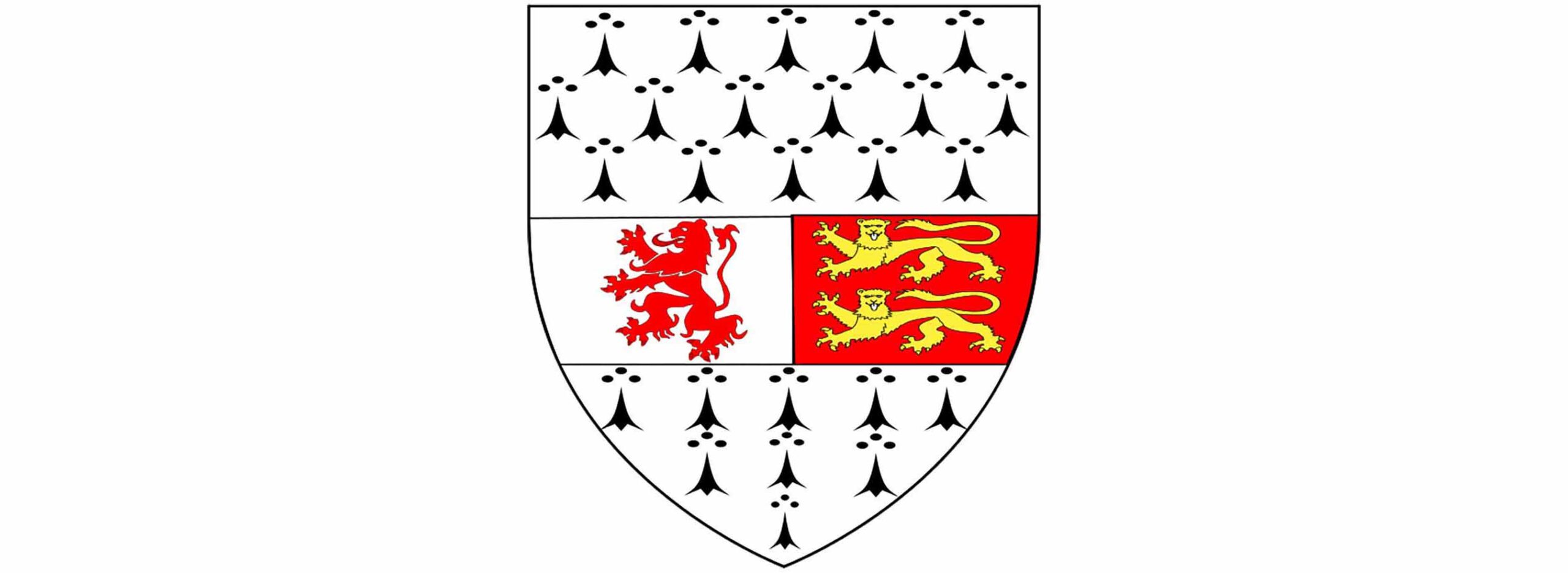
- Saint Columbanus: November 23, c. 540–615: MyshallTraditionally believed to have been born near Myshall, Carlow, Columbanus is one of Ireland’s greatest missionary saints. He studied at Bangor Abbey, then left Ireland in 590 to evangelize Europe, founding monasteries at Luxeuil (France) and Bobbio (Italy). Known for his strict monastic rule and clashes with Frankish bishops, he is considered the first great Irish missionary on the continent. Carlow Cathedral will host an International Columbanus Day in 2025 to honor his legacy.
- Saint Laserian (Laisren): April 18, c. 6th century–639: Old Leighlin (St. Laserian’s Cathedral)From Ulster, Laserian studied at Clonard and became abbot of Old Leighlin’s monastery, founded by St. Gobban around 600. He advocated for the Roman Easter date at the Synod of Mag Lene (630), strengthening ties with Rome. As bishop of Leighlin, he oversaw a major ecclesiastical center. St. Laserian’s Catholic Church and the Church of Ireland cathedral in Old Leighlin bear his name, reflecting his enduring influence.
- Saint Moling: June 17, c. 615–697: St. Mullins (Tigh Moling)Moling founded the monastery at St. Mullins (Tigh Moling, “House of Moling”), a key ecclesiastical site in south Carlow. Known for his piety and miracles, he is linked to holy wells and the Book of Mulling, a 7th-century gospel manuscript. Tradition credits him with abolishing the Borumha cattle tribute, easing burdens on Leinster. St. Mullins’ ecclesiastical ruins and holy well remain pilgrimage sites.
- Saint Fintan: February 17, c. 6th century: Clonmelsh (Garryhundon)Known as the “father of Irish monasticism,” Fintan spent his early years in Carlow at Clonmelsh before founding Clonenagh monastery in Laois. A disciple of St. Columba, he was renowned for his asceticism and spiritual guidance. His monastery at Clonmelsh educated saints like Willibrord, and his legacy is tied to Carlow’s role as a center of learning.
- Saint Finian (Finnian): December 12, c. 470–549: Clonmelsh (Garryhundon)A native of Carlow, Finian studied under St. Fortiarnán in Tullow before traveling to Wales for further education. He founded Clonard Abbey in Meath, training the “Twelve Apostles of Ireland.” His time at Clonmelsh, a monastic school, shaped his early career, and he is celebrated for his role as a great educator. St. Fintan’s Catholic Church in Carlow may reflect his influence.
- Saint Fortiarnán (Fortchern): February 17, c. 5th–6th century: Killoughternane, TullowOriginally from Meath, Fortiarnán established monastic communities in Killoughternane and Tullow, Carlow. He was the teacher of St. Finian, mentoring him before his Clonard foundation. His church at Killoughternane and holy well are preserved, and his work laid the foundation for Carlow’s monastic tradition.
- Saint Willibrord: November 7, c. 658–739: Clonmelsh (Garryhundon)An Anglo-Saxon missionary educated at Clonmelsh’s monastic school in Carlow, Willibrord left in 690 to evangelize the Low Countries. He became the “Apostle of the Frisians,” founding Echternach monastery in Luxembourg. Ordained bishop in Rome, his relics are venerated at Carlow Cathedral, highlighting the county’s missionary legacy.
- Saint Maedhóc (Aidan): January 31, c. 6th–7th century: ClonmoreMaedhóc, also known as Aidan, was an abbot of Clonmore monastery in northeast Carlow, a significant religious center. A contemporary of St. Moling, he is noted for his holiness and leadership, with Clonmore hosting other saintly abbots. His feast is recorded in the Martyrology of Donegal, and Clonmore’s ruins reflect his legacy.
- Saint Oncho (Onchu): February 8, c. 6th century: ClonmoreOncho was an abbot of Clonmore monastery, succeeding Maedhóc. Known for collecting relics of Irish saints, he was a poet and scholar. His life is recorded in Canon O’Hanlon’s Lives of the Irish Saints, and his veneration in Clonmore underscores the monastery’s importance as a spiritual hub in Carlow.
- Saint Fionnán Lobhar: March 16, c. 6th century: ClonmoreFionnán, known as “the Leper” due to a skin ailment, was another abbot of Clonmore. His ascetic life and miracles earned him veneration, and he is linked to Carlow’s monastic tradition. His feast appears in Irish martyrologies, and Clonmore’s succession of saintly abbots highlights its significance.
- Saint Gobban: March 23, c. 6th century: Old LeighlinGobban founded the monastery at Old Leighlin around 600, later led by St. Laserian. He is less documented but crucial to Carlow’s early Christian history, with Old Leighlin becoming a diocesan center. His work laid the groundwork for Leighlin’s prominence, and his feast is noted in local traditions.
- Saint Comgall: May 10, c. 510–602: Carlow Town (Cathedral of the Assumption) Founder of Bangor Abbey in Down, Comgall is linked to Carlow through a monastic church he established in Carlow Town, granted by King Cormac (d. 567). His influence extended across Ireland, training missionaries like Columbanus. The Cathedral of the Assumption’s parish history acknowledges this early foundation, tying Comgall to Carlow’s Christian roots
Saints
Antrim – Armagh – Carlow – Cavan – Clare – Cork – Derry – Donegal – Down – Dublin – Fermanagh – Galway – Kerry – Kildare – Kilkenny – Laois – Leitrim – Limerick – Longford – Louth – Mayo – Meath – Monaghan – Offaly – Roscommon – Sligo – Tipperary – Tyrone – Waterford – Westmeath – Wexford – Wicklow
Sacred Places
Antrim – Armagh – Carlow – Cavan – Clare – Cork – Derry – Donegal – Down – Dublin – Fermanagh – Galway – Kerry – Kildare – Kilkenny – Laois – Leitrim – Limerick – Longford – Louth – Mayo – Meath – Monaghan – Offaly – Roscommon – Sligo – Tipperary – Tyrone – Waterford – Westmeath – Wexford – Wicklow
Holy Wells
Antrim – Armagh – Carlow – Cavan – Clare – Cork – Derry – Donegal – Down – Dublin – Fermanagh – Galway – Kerry – Kildare – Kilkenny – Laois – Leitrim – Limerick – Longford – Louth – Mayo – Meath – Monaghan – Offaly – Roscommon – Sligo – Tipperary – Tyrone – Waterford – Westmeath – Wexford – Wicklow
County Carlow:
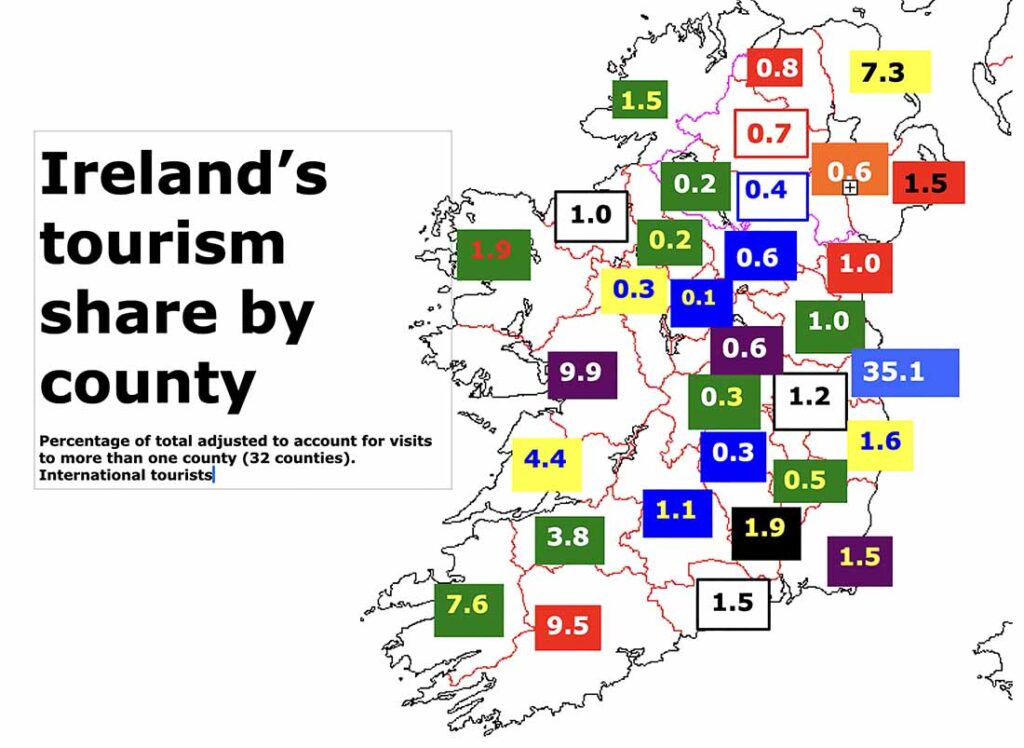
Ireland’s County Carlow combines historic landmarks with serene landscapes, with the Carlow Castle ruins and the nearby Altamont Gardens offering a mix of medieval and botanical appeal. The Barrow Way provides scenic riverside walks, while the Brownshill Dolmen, a prehistoric portal tomb, adds ancient history. Carlow is Ireland’s second smallest county by size (896 square km) and third smallest by population (61,968). Population peaked at 86,228 in 1841 and reached its lowest point, 33,342 in 1961.In terms of hospitality, Carlow is Ireland’s 23rd most visited tourist county with around 68,000 international visitors per year.
Introduction – Adventure – Anthem – Archaeology – Attractions – Awards – Birdwatching – Camping – Castles – Churches – Contact list – Cycling – Dining – Equestrian – Festivals – Fishing – Folklore – Gardens – Golf – Graveyards – Happening – Haunted – Highest – Hiking – History – Holy Wells – Hotels – Hotels top 8 – Hunting & shooting – Instagrammable – Itineraries – Largest town – Luxury – MICE – Movies – Music – Name – New – Novelists – Off the beaten track – Poets – Pubs – Quotes – Random Facts – Restaurant Awards – Sacred Places – Saints – Songs – Spas – Sports – Sunsets – Sustainable – Things to do – Towns – Video – Villages – Walking – Wanderlist – Weddings – Wild swimming – Writers – 1837– 1846 – 1852 – 1909 – 1955 – 1980 –